


Influencer Marketing: A Practical Guide for Modern Brands
Introduction
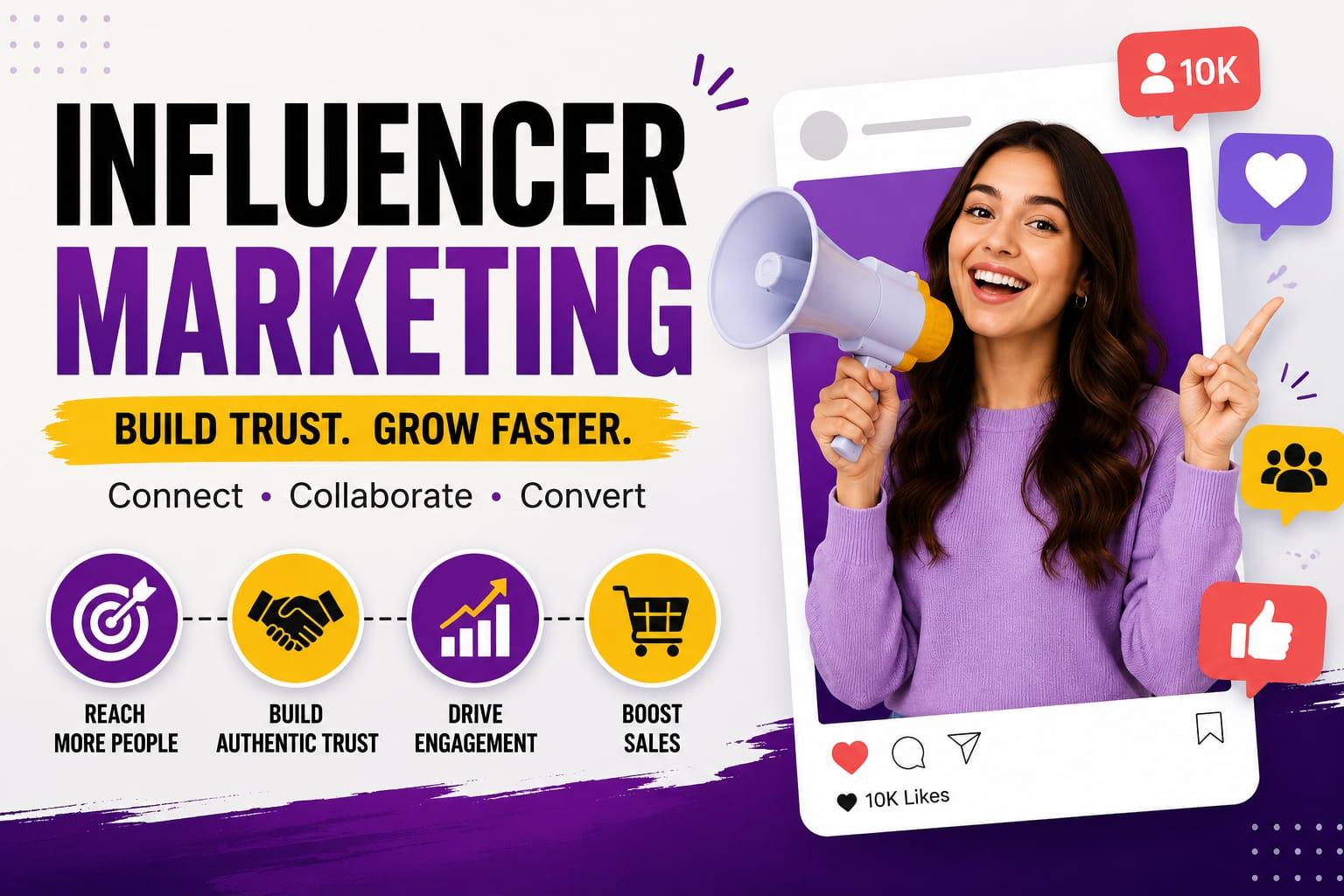
People often discover products through people they already follow and trust. A recommendation from a creator can feel more personal than a traditional advertisement, especially when the creator regularly talks about topics that interest their audience. This is one reason Influencer Marketing has become an important part of many brands’ digital strategies.
However, working with influencers is not simply about paying someone to mention a product. A good campaign starts with the right creator, a clear message, and an understanding of the audience. Brands also need to think about content quality, campaign goals, and how they will measure the outcome.
For students, marketers, and businesses learning about digital promotion, understanding the basics of influencer marketing can make it easier to plan campaigns that feel natural rather than forced.
What Is Influencer Marketing?
Influencer marketing is a form of digital marketing where a brand works with a content creator to promote a product, service, or idea to the creator’s audience.
Influencers can be found across platforms such as Instagram, YouTube, TikTok, LinkedIn, and blogs. Their audiences may be interested in areas such as fashion, fitness, technology, food, travel, education, beauty, or personal finance.
The main idea is simple: instead of communicating only through a brand account, a company works with someone who already has a relationship with a particular audience.
The value does not always come from having millions of followers. A smaller creator with a focused audience may be a better choice if their followers closely match the brand’s target customers.
Why Do Brands Work With Influencers?
People Pay Attention to Recommendations
Consumers are exposed to a large amount of advertising every day. Creator content can stand out because it is usually presented within the format people already enjoy watching or reading.
For example, a fitness creator might demonstrate how they use a particular product during their normal workout routine. A technology creator might explain how a new device works instead of simply displaying an advertisement.
This type of content can help a product become easier to understand.
Creators Know Their Audiences
Experienced creators generally understand what their followers like. They know which topics generate conversations, which formats receive attention, and what tone works for their community.
Brands can benefit from this knowledge when they give creators enough freedom to communicate in their own voice.
It Can Reach Specific Audiences
Traditional advertising can reach a broad group of people, but influencer campaigns can be more focused.
A brand selling running shoes, for instance, may prefer to work with running coaches, athletes, or fitness creators rather than a general entertainment account. The audience fit can matter more than the follower count.
How to Choose the Right Influencer
Choosing a creator should involve more than looking at the number displayed on their profile.
Check Audience Relevance
Start by asking whether the creator’s audience is interested in what the brand offers. A creator with 20,000 relevant followers may be more useful than one with 200,000 followers who have little connection to the product category.
Look at Content Quality
Review recent posts, videos, captions, and comments. Consider whether the creator communicates clearly and whether their content matches the brand’s style.
It is also useful to check how frequently they promote products. If almost every post is sponsored, their recommendations may carry less weight with their audience.
Review Engagement
Likes and follower numbers provide only part of the picture. Comments, shares, saves, views, and the quality of audience conversations can provide a better idea of how people respond to the creator’s content.
Brands should also be cautious about unusually high follower counts or engagement patterns that do not appear natural.
Planning an Influencer Marketing Campaign
A clear plan can prevent many common problems.
First, decide what the campaign is meant to achieve. The goal could be increasing awareness, generating website visits, introducing a new product, collecting leads, or encouraging sales.
Next, decide who the campaign needs to reach. A clear description of the target audience makes creator selection easier.
The brand should then choose suitable creators and agree on important campaign details. These may include the number of posts, content format, deadlines, payment, product delivery, usage rights, and disclosure requirements.
Creative guidelines should also be clear without controlling every sentence or visual. Creators understand their own communication style, so giving them room to create content that feels genuine can make the partnership more natural.
Measuring Campaign Performance
A campaign should be evaluated using metrics connected to its original goal.
For awareness campaigns, brands may look at reach, views, impressions, and audience growth. If the goal is website traffic, link clicks and visits may be more useful.
For sales-focused campaigns, brands can track purchases through unique discount codes, affiliate links, landing pages, or campaign-specific tracking methods.
It is important not to judge a campaign using one number alone. A post may receive fewer likes but generate strong website traffic or sales. The right measurement depends on what the campaign was designed to accomplish.
Common Mistakes to Avoid
One common mistake is choosing influencers only because they have a large following. Audience relevance and content quality are often more important.
Another mistake is giving creators a rigid script. If sponsored content sounds completely different from their usual posts, followers may notice the difference.
Brands should also avoid unclear agreements. Both sides should know what content is expected, when it should be published, how payment works, and where the content can be reused.
Finally, sponsored relationships should be disclosed according to applicable advertising rules and platform requirements. Transparency helps maintain trust with the audience.
The Future of Influencer Marketing
Creator-led marketing will continue to change as social platforms and audience habits develop. Short videos, live content, newsletters, podcasts, and niche online communities all provide opportunities for brands and creators to work together.
The most useful partnerships are likely to be those built around relevance and trust rather than follower numbers alone. Long-term relationships can also help creators understand a brand better and produce content that fits naturally into their regular work.
For businesses, this means influencer marketing should be treated as part of a wider marketing plan rather than a standalone tactic.
Conclusion
Influencer marketing is about connecting brands with audiences through creators who have earned attention and trust within a particular community. A successful campaign starts with choosing the right creator and setting a clear goal. From there, strong communication, authentic content, transparent partnerships, and suitable performance measures can make the campaign more effective.
For anyone learning digital marketing, the key lesson is simple: the right audience matters more than a large follower count. Brands that focus on relevance, credibility, and useful content are better positioned to build lasting relationships with both creators and customers.
If you want to learn more about practical digital marketing and how creator partnerships fit into a wider strategy, explore the learning resources available from Collabskool.

 English
 Arabic
 French
 Spanish
 Deutsch
 Turkish
 Dutch
Dutch
 Italiano
 Russian
 Romaian
 Portuguese (Brazil)
 Greek
Greek
