


Red Light Therapy for Hair Loss: A Complete Guide by MyChway
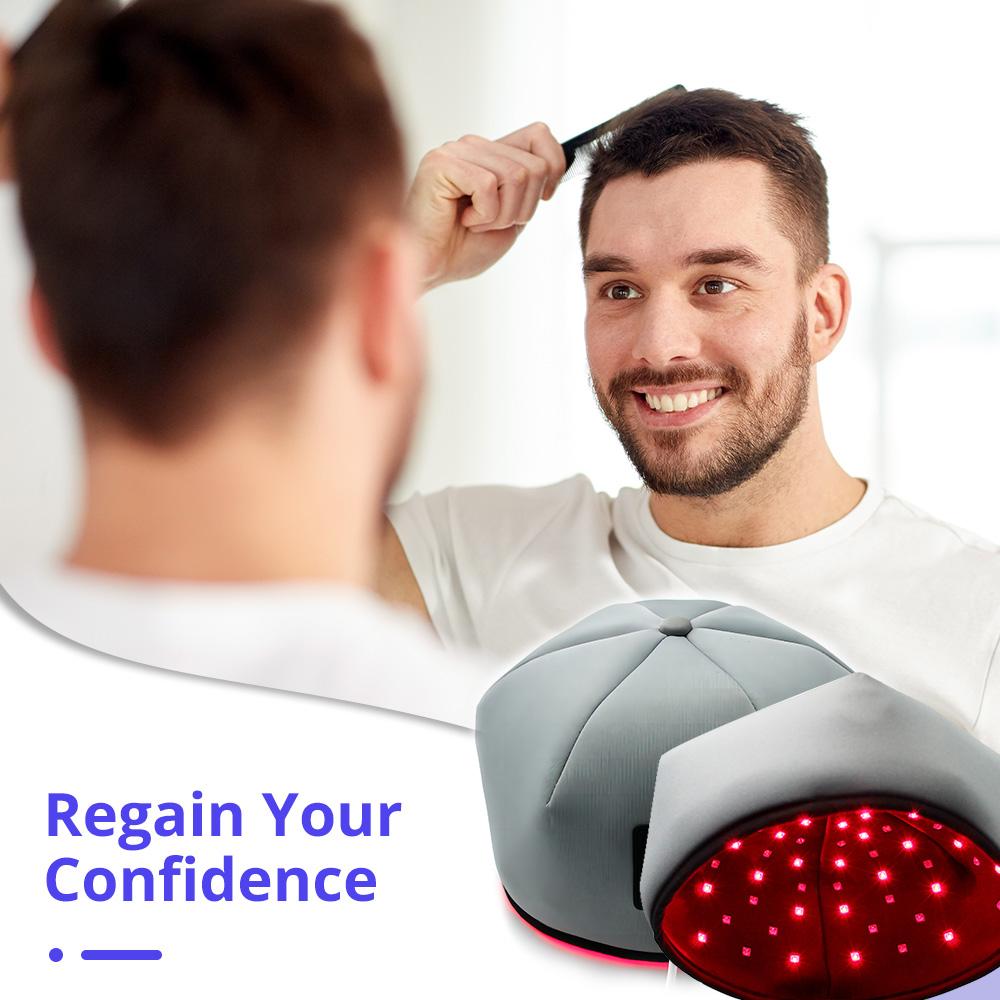
Hair loss can affect confidence, appearance, and everyday comfort, which is why many people explore non-invasive options that may support healthier-looking hair.
Red light therapy for hair loss has attracted attention as a form of low-level light therapy, also known as photobiomodulation. Research suggests that low-level laser and LED therapy may improve hair density in people with androgenetic alopecia, although results can vary and the treatment should not be viewed as a guaranteed cure for every type of hair loss.
MyChway provides aesthetic and light-based equipment, making it relevant for people researching professional approaches to light therapy. Understanding how this technology works, what research says, and what factors can influence results is important before considering any treatment.
What Is Red Light Therapy for Hair Loss?
Red light therapy uses specific wavelengths of visible red or near-infrared light to deliver light energy to the skin. In hair-related applications, the goal is to interact with the scalp and hair follicles through a process commonly described as photobiomodulation.
Research on low-level light therapy has primarily focused on androgenetic alopecia, commonly known as pattern hair loss. A 2025 systematic review and meta-analysis covering 38 studies and 3,098 patients found a significant improvement in hair density among people with androgenetic alopecia treated with low-level laser or LED therapy compared with placebo.
This evidence is encouraging, but it does not mean that every person with hair loss will experience the same results.
How Does Light Therapy Work?
The exact biological mechanisms behind photobiomodulation are still being studied. Researchers believe that specific light exposure may influence cellular processes around hair follicles and support conditions associated with the hair-growth cycle.
Clinical research has found improvements in hair density with low-level light therapy, particularly in androgenetic alopecia. A systematic review of randomized controlled trials reported that LLLT significantly increased hair density compared with sham treatment.
The important point is that this is a supportive treatment approach rather than an instant solution. Hair follicles need time to respond, and visible changes generally require consistent treatment over an extended period.
What Does Research Say About Hair Growth?
Scientific evidence for low-level light therapy has developed over several years. Earlier systematic reviews found promising improvements in hair count and density among adults with androgenetic alopecia, although researchers also highlighted limitations such as differences between devices and the need for larger, longer studies.
More recent research continues to support its potential. The 2025 meta-analysis found significant improvements in hair density after four to 26 weeks of treatment compared with placebo in patients with androgenetic alopecia.
These findings make light therapy an interesting option for people researching non-invasive approaches to pattern hair loss.
Who May Consider This Treatment?
The strongest evidence is currently associated with androgenetic alopecia. This condition can affect both men and women and is commonly associated with gradual thinning around areas such as the crown, hairline, or central scalp.
However, hair loss has many possible causes. Temporary shedding, nutritional deficiencies, hormonal changes, inflammatory scalp conditions, certain medications, and other medical issues can produce hair loss that requires a different approach.
Anyone experiencing unexplained or sudden hair loss should consider getting an appropriate professional evaluation before relying on a light-based treatment.
What Can Influence Results?
The response to light therapy can vary between individuals. Several factors may influence the experience, including the underlying cause of hair loss, treatment duration, wavelength, energy delivered, session frequency, and the characteristics of the device.
A systematic review examining photobiomodulation for androgenetic alopecia found that factors such as energy fluence and treatment exposure duration were associated with changes in hair density.
This highlights why simply comparing two devices based on appearance or the number of LEDs may not provide a complete picture of their potential performance.
Understanding MyChway Equipment
MyChway offers various aesthetic and light-based devices designed for professional applications. When researching equipment from the brand, users should examine the exact model rather than assuming that every device has identical specifications.
Important information can include the wavelength or wavelengths used, power characteristics, treatment area, operating controls, recommended usage, and safety instructions.
For professional settings, proper training and understanding of the equipment are particularly important. The device should be used according to its intended purpose and manufacturer's instructions.
How Long Does It Take to See Changes?
One of the biggest misconceptions about light-based hair treatments is expecting immediate visible growth. Hair develops through a natural cycle, so changes generally require patience.
Research has evaluated low-level light therapy across treatment periods ranging from several weeks to multiple months. The 2025 systematic review reported significant hair-density improvements in androgenetic alopecia during treatment periods of four to 26 weeks.
Individual timelines can still differ. Someone may notice changes earlier or later depending on their underlying condition and treatment routine.
Why Consistency Matters
Light therapy is generally not something that produces meaningful results after one or two sessions. Consistency is important because the treatment is intended to provide repeated exposure over time.
Users should follow the recommended schedule for the specific device rather than increasing exposure independently in an attempt to accelerate results. More treatment is not automatically better, and device-specific instructions should always be followed.
Keeping photographs at consistent intervals can also help users evaluate gradual changes more objectively.
Comparing Before and After Progress
Photographs can be useful when monitoring hair density. However, photographs should ideally be taken under similar lighting, from the same angle, with comparable hair length and positioning.
Changes in hairstyle, lighting, camera exposure, or hair wetness can make the scalp look significantly different even when actual density has not changed.
A consistent photographic record can therefore provide a more reliable way to monitor progress over several months.
Can It Replace Other Hair-Loss Treatments?
It is important not to assume that light therapy is suitable as a replacement for every other treatment. The evidence is strongest for androgenetic alopecia, while evidence for other forms of alopecia is more limited. The 2025 systematic review found insufficient data to perform a meaningful meta-analysis for several other types of hair loss.
Treatment decisions should therefore depend on the underlying cause of hair loss. A healthcare professional can help determine whether light therapy is appropriate and whether other interventions should also be considered.
Safety and Practical Considerations
Low-level light therapy is generally considered a non-invasive approach, and clinical reviews have reported a favorable safety profile. However, safety depends on the specific device, wavelength, power, treatment duration, and correct operation.
Users should read the manufacturer's instructions carefully and avoid improvising treatment settings. Professional equipment should be operated by appropriately trained individuals.
If scalp irritation, unusual discomfort, or other unexpected reactions occur, treatment should be stopped and appropriate professional advice should be sought.
Why MyChway Can Be Part of the Research Process
For clinics and professionals exploring aesthetic technologies, MyChway provides equipment across multiple treatment categories. Its range gives professionals an opportunity to compare different device designs and specifications according to their intended applications.
However, the brand name alone should not determine a purchasing decision. Users should compare technical specifications, intended uses, safety features, operating requirements, and available support before selecting equipment.
A device should always be chosen according to the treatment requirements rather than simply marketing claims.
Final Thoughts
Red light therapy for hair loss is an increasingly researched approach to supporting hair density, particularly for androgenetic alopecia. Current systematic reviews suggest that low-level laser and LED therapy can improve hair density compared with sham treatment, although individual results vary and additional research is still valuable.
MyChway provides light-based and aesthetic equipment that may be relevant to professionals researching this technology. Before selecting any device, it is important to understand its exact specifications, intended applications, operating instructions, and safety requirements.
Most importantly, hair loss should be approached according to its underlying cause. Light therapy may be a useful option for some people, but realistic expectations, consistent use, appropriate device selection, and professional guidance remain important parts of the overall process.

 English
 Arabic
 French
 Spanish
 Portuguese
 Deutsch
 Turkish
 Italiano
 Russian
 Romaian
 Portuguese (Brazil)
 Greek
Greek
