


Waterproof Breathable Valve Solutions for Cable Protection | Metalcableglands
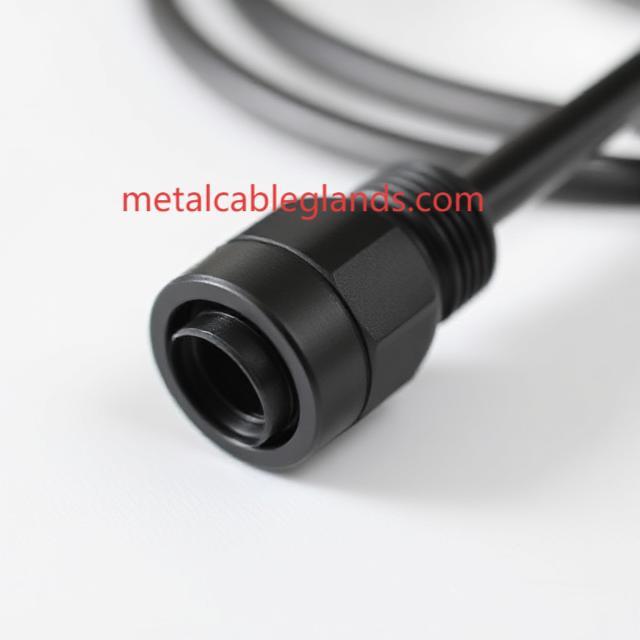
In electrical enclosures, outdoor equipment, lighting systems, and industrial applications, a Waterproof Breathable Valve can help manage pressure differences while supporting protection against moisture and contaminants, making a reliable Waterproof Breathable Valve an important component for equipment that needs both environmental protection and controlled air exchange. When electrical housings are exposed to changing temperatures, internal pressure may fluctuate as air expands and contracts. Without a suitable pressure-management solution, these changes can place stress on seals and enclosure components. A well-designed valve can provide a practical way to balance pressure while helping reduce the risk of water and dust entering sensitive equipment. For manufacturers and distributors, selecting the right construction, membrane characteristics, installation method, and environmental performance is essential.
Managing Pressure Inside Enclosures
Temperature changes are common in outdoor and industrial environments. Electrical equipment may heat up during operation and cool down when switched off or exposed to lower ambient temperatures. These repeated changes can create pressure differences between the inside and outside of an enclosure.
If pressure cannot be balanced effectively, seals may experience unnecessary stress. Over time, repeated pressure cycling can influence enclosure integrity and potentially affect the performance of connected components.
A breathable pressure-management component allows air movement while limiting the passage of unwanted external elements. This approach can help create a more stable internal environment without requiring the enclosure to remain completely sealed against pressure changes.
The correct solution depends on the equipment design, operating environment, enclosure structure, and expected temperature range. Engineers should therefore consider pressure behavior as part of the overall enclosure design rather than treating it as an isolated component.
Membrane Performance and Material Selection
The membrane is one of the most important parts of a breathable valve. Its structure needs to allow suitable air transmission while helping restrict the entry of water, dust, and other contaminants.
Different applications may require different membrane materials and performance characteristics. Outdoor lighting equipment, control boxes, sensors, communication devices, and industrial housings can face different levels of moisture, temperature variation, and environmental exposure.
Material durability should also be considered. Components installed outdoors may experience sunlight, rain, humidity, temperature fluctuations, and repeated environmental changes. A suitable material should maintain its basic characteristics throughout the expected service period.
Mechanical construction matters as well. The valve body should be compatible with the enclosure and provide a stable installation. Threads, mounting surfaces, sealing elements, and connection dimensions should be reviewed before production or assembly.
For manufacturers purchasing components in volume, consistency between batches is particularly important. Stable dimensions and material characteristics can simplify assembly and reduce unnecessary adjustments during production.
Metalcableglands Selection Considerations
Choosing a suitable component begins with understanding the enclosure requirements. Buyers should identify the available mounting position, required dimensions, pressure conditions, environmental exposure, and expected installation method.
Thread specifications are particularly important for components installed through enclosure walls. The valve and mounting hole need to match correctly so that installation can be completed without excessive modification.
Sealing performance should also be evaluated according to the application. A suitable sealing structure can help maintain the intended protection level of the enclosure while allowing the pressure-management function to operate.
Manufacturers should also consider how the component fits into their production process. Easy installation can save assembly time, particularly when large quantities of electrical housings are produced.
When evaluating suppliers, buyers can review samples, technical specifications, material information, and production consistency before placing larger orders. This provides a practical way to confirm whether the component matches the intended enclosure design.
Applications in Modern Equipment
Pressure-management components can be useful in many types of equipment. Outdoor electrical enclosures are one example because they may experience significant temperature fluctuations during daily operation.
Lighting equipment can also benefit from controlled pressure exchange. Fixtures installed outdoors may become warm during operation and cool rapidly when environmental conditions change. Managing internal pressure can support the long-term integrity of the housing.
Industrial control cabinets, sensors, communication equipment, battery housings, and electronic devices may face similar environmental challenges. In each case, the exact component should be selected according to the enclosure structure and operating conditions.
The application environment should always guide component selection. Equipment exposed to rain, condensation, dust, chemicals, vibration, or large temperature differences may require more careful consideration than products used in stable indoor environments.
For international manufacturers, standardizing component specifications across product lines can also simplify procurement. Using compatible designs where practical may reduce inventory complexity and make production planning easier.
Installation, Inspection, and Long-Term Reliability
Correct installation is essential for maintaining the intended function of a pressure-management component. Before assembly, the mounting surface should be clean and suitable for the selected installation method.
Operators should check thread dimensions, sealing surfaces, tightening requirements, and component orientation according to the product specifications. Excessive force during installation should be avoided because it may damage threads or sealing elements.
After assembly, visual inspection can help identify obvious installation problems. Manufacturers may also establish appropriate enclosure testing procedures based on their own product requirements and applicable standards.
Routine inspection can be useful for equipment operating in demanding environments. Signs of physical damage, contamination, loose connections, or changes in enclosure condition should be addressed as part of normal maintenance.
For equipment manufacturers and distributors, selecting the right component is only one part of achieving dependable enclosure protection. Proper design, compatible materials, accurate installation, suitable testing, and consistent production practices all contribute to better results.
By evaluating pressure requirements and environmental conditions early in the design process, manufacturers can make more informed decisions and build products with a practical balance between protection and pressure management. For more information about metal enclosure components and related solutions, visit https://www.metalcableglands.com/ to explore available products and technical information.

 English
 Arabic
 French
 Spanish
 Portuguese
 Deutsch
 Turkish
 Dutch
Dutch
 Russian
 Romaian
 Portuguese (Brazil)
 Greek
Greek
