


Flame-Resistant Aprons: Essential Heat & Flame Protection for Workers
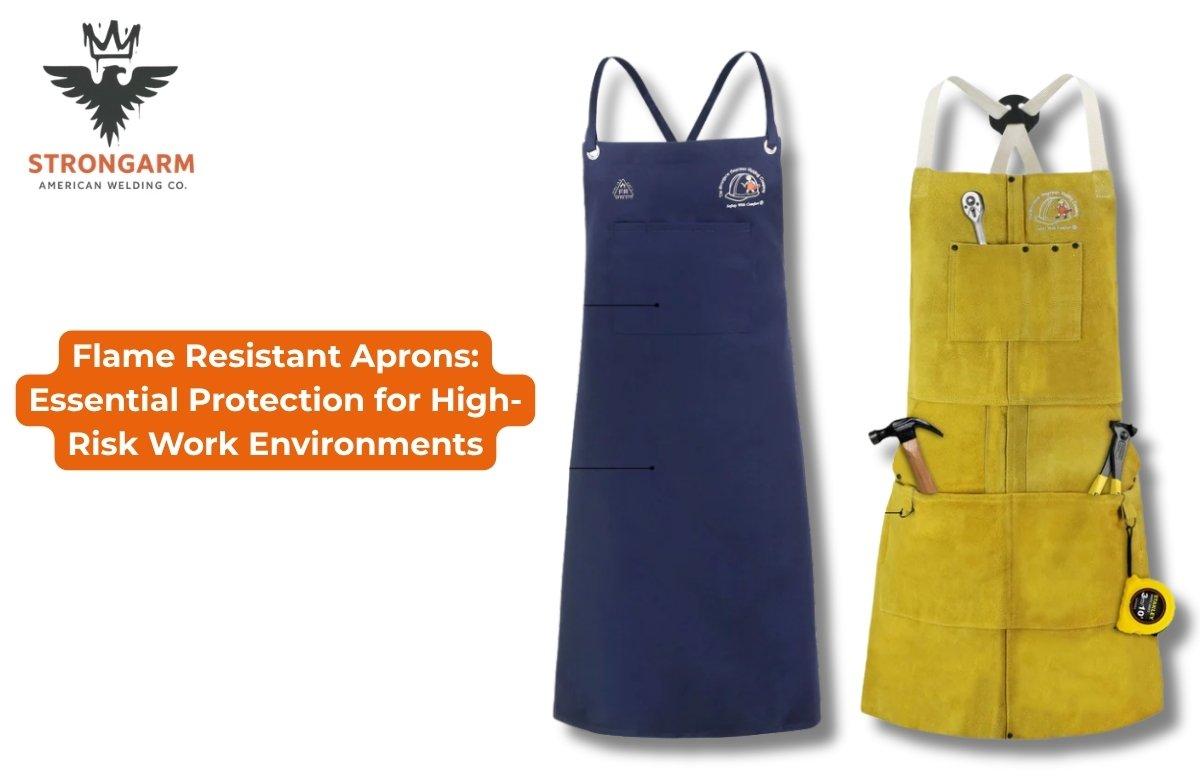
Safety protocols in modern industrial workshops and heavy manufacturing facilities have evolved significantly, yet heat, thermal hazards, and flying sparks remain constant operational threats. Workers involved in metal fabrication, precision cutting, grinding, and heavy manufacturing encounter extreme thermal conditions daily. To mitigate these dangerous working conditions, industrial safety managers and professional welders across North America rely heavily on targeted personal protective equipment (PPE) tailored for extreme environments. Investing in dedicated Flame Resistant Aprons ensures that the most vulnerable areas of a worker’s body receive maximum thermal defense without compromising comfort or maneuverability on the shop floor.
Understanding the Critical Role of Flame Resistant Aprons in Thermal Protection
The torso and midsection are constantly exposed to direct spark paths, radiant heat, and stray slag during intensive metalworking tasks. Traditional canvas or standard cotton workwear can easily ignite or degrade when subjected to high-temperature molten spatter, creating severe burn risks for the wearer. High-performance Flame Resistant Aprons serve as an essential primary shield, deflecting hazardous sparks and absorbing extreme thermal energy before it reaches underlying garments. Designed using advanced treated materials or heavy-duty split cowhide, these specialized aprons prevent heat transfer while ensuring that sparks roll off harmlessly rather than catching on fabric.
Key Material Innovations and Standards for Industrial Safety Gear
When evaluating protective equipment for intense thermal environments, understanding material composition and safety certifications is essential. Modern protective aprons are crafted from heavy-gauge leather, flame-retardant treated cotton, or high-tech synthetic fibers designed to meet strict OSHA and NFPA standards across US job sites. Heavy split cowhide leather remains a timeless favorite for heavy-duty welding applications due to its natural spark deflection and durability, whereas lightweight treated fabrics offer greater flexibility for assembly line work and lighter cutting tasks.
Ergonomics, Fit, and Comfort in High-Heat Work Environments
A piece of protective equipment is only effective if workers wear it consistently, which makes ergonomic design and comfortable fit critical factors for shop managers. Heavy-duty protective aprons can cause shoulder strain, neck fatigue, and movement restrictions if they rely on poorly designed, basic neck straps. Advanced safety gear features cross-back harness systems, padded shoulder straps, and fully adjustable quick-release waist buckles that distribute weight evenly across the shoulders and upper back. This ergonomic balance allows fabricators, blacksmiths, and industrial workers to bend, reach, and maneuver freely around large workpieces without feeling weighed down.
Why Strongarm Welding Sets the Benchmark for Protective Workwear
For professionals who refuse to compromise on safety and craftsmanship, Strongarm Welding delivers industry-leading gear engineered specifically for tough American job sites. Their high-performance Flame Resistant Aprons are built using premium, hand-selected materials designed to withstand extreme thermal radiation, harsh grinding sparks, and hot slag exposure. By listening to the needs of professional metalworkers and industrial safety directors, Strongarm Welding integrates critical user-focused features such as reinforced tool pockets, quick-adjust heavy-duty harness systems, and flame-retardant stitching that will not burn through under pressure.
Final Thoughts
To maintain peak flame resistance and structural integrity over years of heavy use, proper inspection and care routines are mandatory for all shop gear. Accumulations of industrial oil, grease, flammable solvents, or heavy metallic dust on the apron surface can compromise its heat-deflecting properties and create fire hazards. Workers should regularly brush off debris, inspect stress points for worn stitching, and follow manufacturer cleaning guidelines to keep materials performing at their best. By implementing simple daily inspection habits and routine maintenance, facilities can maximize the lifespan of their protective investment, ensuring every worker remains reliably safeguarded against intense shop hazards every single day.

 English
 Arabic
 French
 Spanish
 Portuguese
 Deutsch
 Turkish
 Italiano
 Russian
 Romaian
 Portuguese (Brazil)
 Greek
Greek
