


How Welding Training Helps Build Better Welding Skills
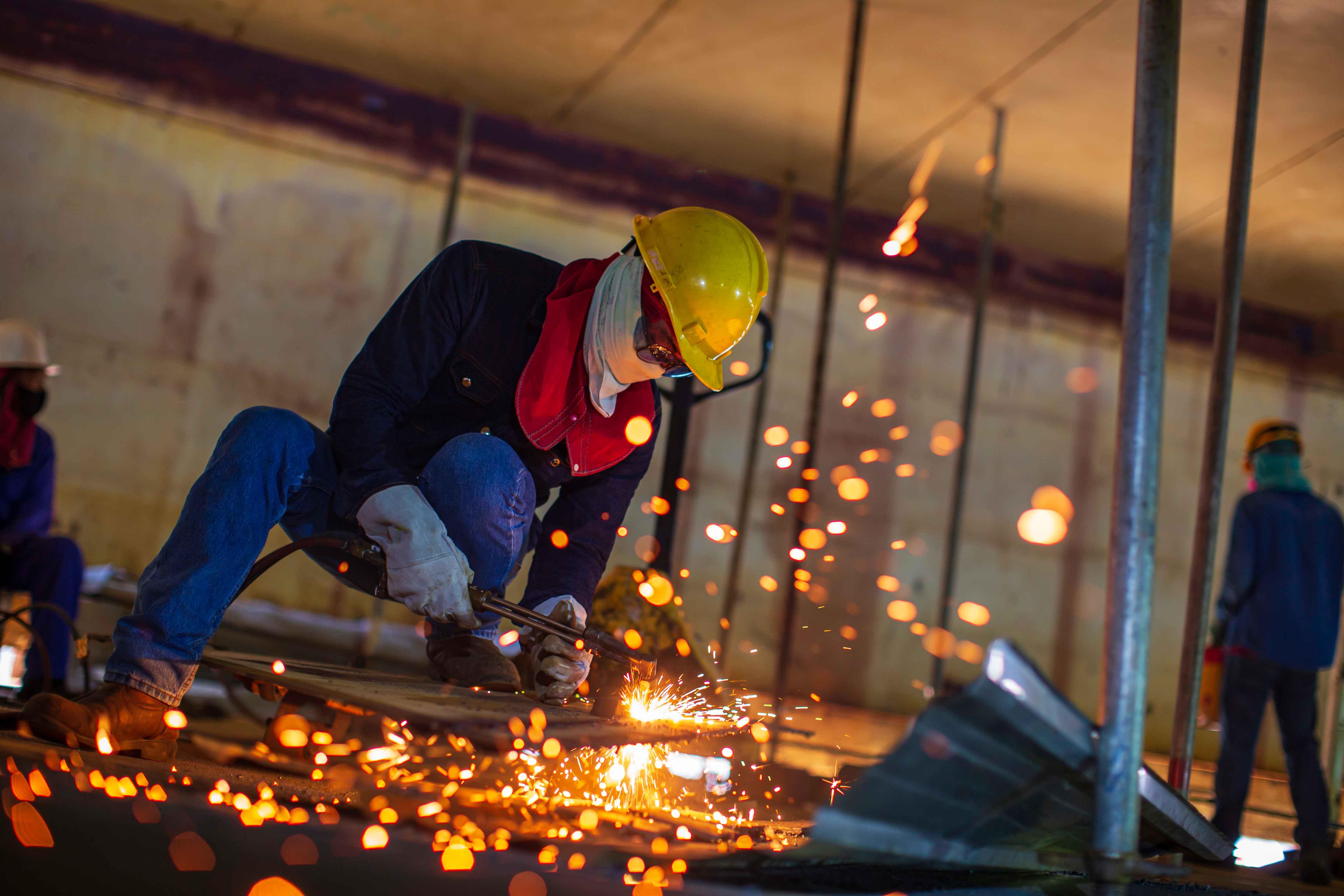
Welding is an important skill used in many industries across the UAE. It is needed in construction, oil and gas, manufacturing, marine, fabrication, engineering, and maintenance. Welders help join metal parts to build strong structures, pipes, tanks, machines, equipment, and other products.
Because welding involves heat, electricity, sparks, and gases, workers need proper skills and safety knowledge. Welding training in UAE helps people learn how to weld correctly, use equipment safely, and improve the quality of their work.
Whether you are new to welding or already working as a welder, proper training can help you improve your skills and become more confident at work.
What Is Welding Training?
Welding training is a learning program that teaches people how to join metal parts using different welding methods. A good course includes simple theory and practical training.
During training, learners can become familiar with welding machines, tools, electrodes, wires, torches, gases, and different types of metals. They can also learn how to prepare metal before welding and how to check the finished weld.
The main purpose of welding training is to help learners develop safe and useful welding skills that can be used in real work.
Why Is Welding Training Important?
Welding requires more than simply using a welding machine. A welder needs to know how to select the right process, prepare the material, control heat, and follow the correct working method.
Poor welding can lead to weak joints, cracks, poor penetration, and other problems. Proper training helps workers understand how to avoid these issues.
Welding training can help you:
- Learn basic welding skills
- Understand different welding processes
- Use welding equipment correctly
- Prepare metal before welding
- Improve weld quality
- Reduce common welding mistakes
- Learn different welding positions
- Follow workplace safety rules
- Prepare for welding tests
- Build confidence at work
What Do You Learn During Welding Training?
The topics covered in a welding course can depend on the type of training. Basic courses introduce welding fundamentals, while advanced courses may focus on specific welding processes.
Common topics include:
Welding Equipment
Learners can understand different welding machines, cables, torches, electrodes, wires, and other tools. They can learn how to set up and use equipment properly.
Metal Preparation
Preparing the metal is an important step before welding. Training can teach learners how to clean surfaces, prepare joints, and make sure the material is ready for welding.
Welding Positions
Welders may need to work in different positions depending on the project. Training can help learners practise different positions and learn how to control the welding tool in each position.
Welding Defects
Training can introduce common welding problems such as cracks, porosity, undercut, lack of fusion, and poor penetration. Understanding these problems can help welders improve their work.
Different Welding Processes
There are different welding methods used in the UAE. Each process is suitable for different types of work.
SMAW or Stick Welding
SMAW is commonly called Stick Welding. It is widely used in construction, repair, maintenance, and industrial work.
Learners can practise electrode selection, arc control, joint preparation, and welding in different positions.
TIG Welding
TIG welding is also called GTAW. It is useful when a clean and accurate weld is required.
Training can cover torch control, heat control, filler material, and proper welding movement.
MIG Welding
MIG welding is also known as GMAW. It is widely used in manufacturing and fabrication.
Learners can learn about wire selection, machine settings, gas flow, welding speed, and correct technique.
FCAW Welding
FCAW means Flux-Cored Arc Welding. It is often used in construction and heavy industrial work.
Training can cover equipment setup, wire selection, welding positions, and safe working practices.
Brazing
Brazing is another method of joining metal parts. It is used for certain applications where this method is suitable.
BureauTek provides training in SMAW, GTAW/TIG, GMAW/MIG, FCAW, and brazing.
Practical Training Is Important
Welding is a hands-on skill. Reading about welding can give you basic knowledge, but practice is needed to become good at it.
During practical training, learners can practise:
- Controlling the welding arc
- Moving the torch or electrode
- Managing heat
- Maintaining the correct angle
- Controlling welding speed
- Making different joints
- Welding in different positions
Trainers can watch the work and explain where improvements are needed. This helps learners correct mistakes and improve their technique.
Practical training can also help beginners become more comfortable with welding machines before they start working on real projects.
Welding Safety Training
Safety should always be an important part of welding training. Welders work with high heat, sparks, electricity, gases, and fumes.
Workers need to know how to protect themselves and others while working.
Safety training can cover the correct use of:
- Welding helmets
- Safety gloves
- Protective clothing
- Safety shoes
- Eye protection
Learners can also learn about fire prevention, electrical safety, gas cylinder handling, ventilation, equipment checks, and keeping the work area safe.
Following proper safety rules can help reduce workplace accidents.
Welding Training for Beginners
Beginners can join welding training to learn the basic skills needed for welding work. They do not need to know everything before starting.
Basic training can introduce learners to welding machines, tools, materials, safety equipment, and simple welding techniques.
Starting with proper training can help beginners develop good working habits from the beginning. It can also help them understand which welding process may be suitable for their future work.
Training for Experienced Welders
Experienced welders can also benefit from additional training. They may want to learn a new welding process, improve their technique, or prepare for a particular project.
For example, a welder who has experience with Stick Welding may want to learn TIG or MIG welding. Learning another process can help them handle different types of welding work.
Refresher training can also help experienced workers review safety rules and improve their work quality.
Welding Qualification and Testing
Training helps a person learn welding skills, while qualification testing checks whether a welder can produce a weld that meets specific requirements.
Some industrial projects require qualified welders. The requirements may depend on the welding process, metal type, thickness, welding position, and project standards.
BureauTek provides Welder Performance Qualification (WPQ), Welding Qualification Testing (WQT), WPS/PQR services, NDT, mechanical testing, and welding inspection as part of its welding-related services.
These services can help welders and companies meet the testing and quality needs of industrial projects.
Who Can Join Welding Training?
Welding training can be useful for many types of workers, including:
- Beginner welders
- Experienced welders
- Fabrication workers
- Construction workers
- Oil and gas workers
- Marine workers
- Manufacturing workers
- Industrial technicians
- QA/QC workers
- Welding inspectors
- Company welding teams
Companies can also arrange training for their employees. This can help workers improve their skills and prepare for specific project requirements.
How to Choose the Right Welding Training Provider
There are different training options available in the UAE. Before choosing a course, it is important to check what is included.
Look for:
- Practical training
- Experienced trainers
- Suitable welding equipment
- Different welding processes
- Safety training
- Qualification support
- Testing services
- Certification options
A provider with experience in industrial welding can offer training that is more useful for real workplace situations.
Welding Training with BureauTek
BureauTek provides welding training and related technical services in the UAE. The company supports industries such as construction, oil and gas, marine, manufacturing, fabrication, and engineering.
Its services include welding training, qualification testing, welding inspection, NDT, mechanical testing, and other technical services.
BureauTek's training center is located in Abu Dhabi, with on-site project training options also available.
Conclusion
Welding training in UAE is a useful way to develop practical skills and prepare for work in different industries. Proper training helps learners understand welding processes, use equipment correctly, follow safety rules, and improve weld quality.
Whether you are a beginner starting your welding career or an experienced worker looking to improve your skills, practical training can help you become more confident and better prepared.

 English
 Arabic
 French
 Spanish
 Portuguese
 Deutsch
 Turkish
 Dutch
Dutch
 Russian
 Romaian
 Portuguese (Brazil)
 Greek
Greek
