


How Welding Training Courses Prepare You for Industrial Work
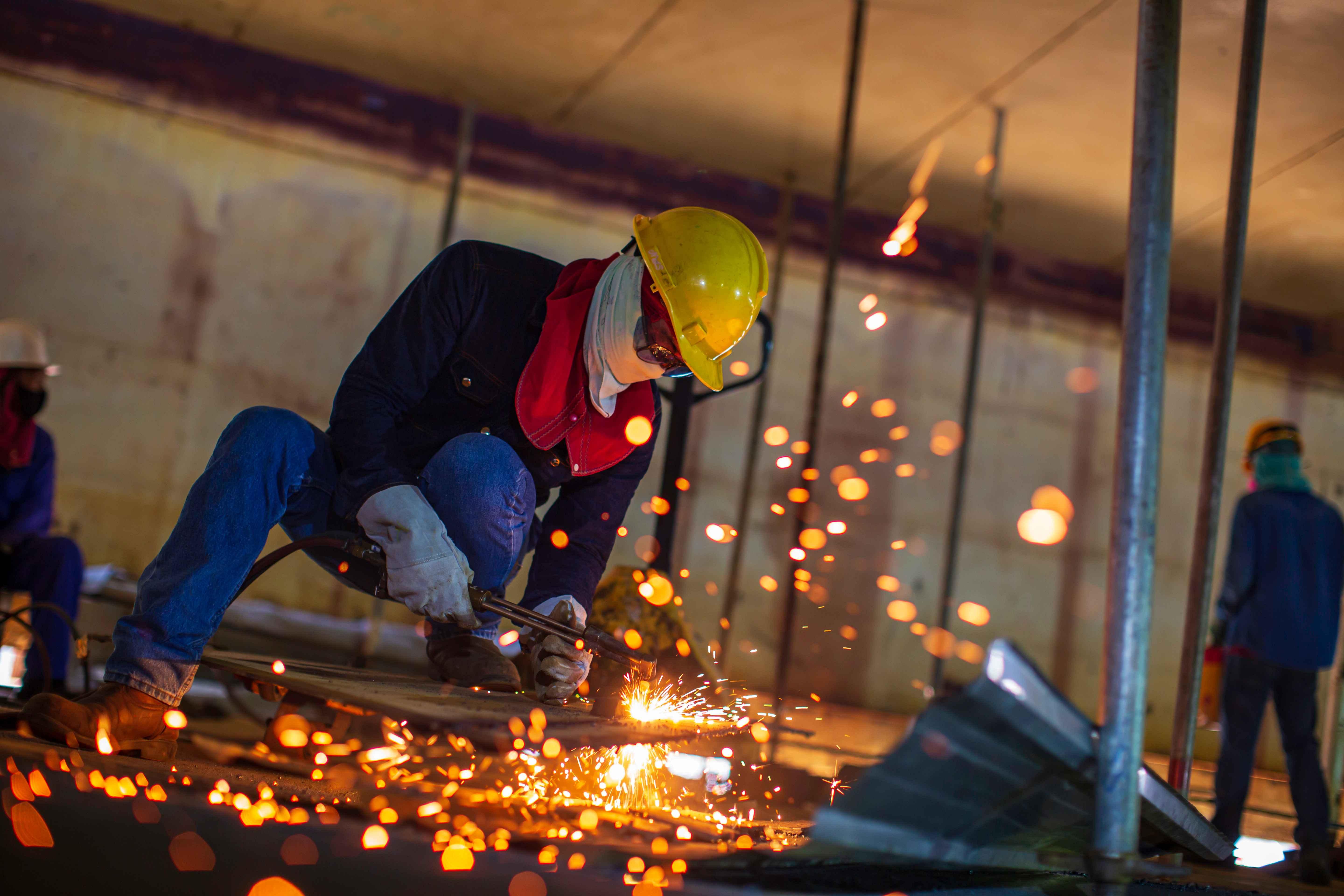
The UAE has a strong demand for skilled workers in construction, oil and gas, manufacturing, shipbuilding, fabrication, and engineering. Welding is one of the key skills used in these industries. From joining steel pipes to building large metal structures, welding is an important part of many industrial projects.
Welding training courses in UAE are designed to help workers learn the correct welding methods and improve their practical skills. These courses can be useful for people who are completely new to welding as well as workers who already have experience and want to learn a new welding process.
Why Learn Welding in the UAE?
Many industrial projects in the UAE involve metal fabrication and construction. These projects need welders who understand how to work safely and produce strong welds.
Proper training can give a welder a better understanding of:
- Welding machines
- Metal types
- Welding tools
- Welding positions
- Welding methods
- Heat control
- Joint preparation
- Safety procedures
- Weld quality
Training also helps workers avoid simple mistakes that can affect the strength of a weld.
What Makes a Good Welding Course?
A good welding course should not focus only on classroom lessons. Welding is a practical job, so learners need enough time to practise.
A useful training program normally combines basic theory with hands-on work. Learners can first understand how a welding process works and then use the equipment under supervision.
Practical sessions may include preparing metal, setting up equipment, making test welds, checking the finished weld, and correcting common problems.
This approach helps learners understand the complete welding process instead of only learning individual steps.
Welding Processes You Can Learn
Different projects need different welding methods. Depending on the course, learners may be introduced to several processes.
Shielded Metal Arc Welding
Shielded Metal Arc Welding, or SMAW, is commonly known as Stick Welding. It is a useful process for many construction and maintenance jobs.
Learners can practise using electrodes, controlling the arc, preparing joints, and welding in different positions.
Gas Tungsten Arc Welding
Gas Tungsten Arc Welding, or GTAW, is commonly called TIG welding. It is known for giving good control and clean welds.
TIG training can be useful for learners who want to develop accurate welding skills and work with different types of metal.
Gas Metal Arc Welding
Gas Metal Arc Welding, or GMAW, is commonly known as MIG welding. It uses a continuous wire and shielding gas.
MIG training can help learners understand wire selection, machine settings, gas flow, and welding movement.
Flux-Cored Arc Welding
Flux-Cored Arc Welding, or FCAW, is often used for construction and heavy fabrication work.
Training can teach learners how to set up the equipment, select the correct wire, and maintain proper welding control.
Brazing
Brazing is a metal joining method used for specific applications. Training can introduce learners to heating methods, materials, joint preparation, and safe working practices.
Understanding Welding Materials
Choosing the right material is an important part of welding. Different metals can react differently to heat and may require different welding methods.
During training, learners can develop a basic understanding of materials used in welding work. They can learn why metal preparation is important and how the wrong material or welding setting can affect the final result.
This knowledge can help welders make better decisions when working on industrial projects.
Learning Different Welding Positions
Welders do not always work on a flat surface. Depending on the project, they may need to weld from different positions.
Training can give learners practice with different welding positions. This helps them understand how to control the welding tool when the working position changes.
Practising different positions can be especially useful for workers who plan to work on construction sites, pipelines, structures, or large industrial equipment.
Welding Defects and Quality
A good weld should be strong and meet the required quality level. Problems can occur when the wrong technique, material, heat, or equipment setting is used.
Training can help learners identify common welding problems, including:
- Cracks
- Porosity
- Undercut
- Poor penetration
- Lack of fusion
- Uneven welds
Understanding these problems helps welders improve their work and reduce the chance of producing poor-quality joints.
Safety Comes First
Welding involves heat, sparks, electricity, gases, and fumes. Safety should therefore be part of every welding training course.
Learners can be taught how to use welding helmets, gloves, protective clothing, safety shoes, and other protective equipment.
They can also learn about safe equipment use, fire prevention, ventilation, electrical safety, and safe handling of gas cylinders.
Good safety practices should become a normal part of a welder's daily work.
Who Should Take Welding Training?
Welding courses are not only for beginners. Different workers can benefit from training depending on their job and experience.
These courses can be useful for:
- New welders
- Experienced welders
- Fabricators
- Construction workers
- Maintenance workers
- Oil and gas workers
- Marine workers
- Manufacturing workers
- Industrial technicians
- Company welding teams
A company may also arrange training for its workers when a project requires specific welding skills.
Benefits for Experienced Welders
An experienced welder may already know one welding process but may not have experience with others. Additional training can help them expand their skills.
For example, a worker who mainly uses Stick Welding may want to learn TIG or MIG welding. This can give them more options when working on different projects.
Refresher training can also help experienced welders review safety practices and improve their welding technique.
Welding Qualification After Training
Learning how to weld is one part of becoming a professional welder. Some industrial projects also require welders to pass a qualification test.
A welding qualification test checks whether a welder can produce an acceptable weld under specific conditions.
The test may depend on:
- Welding process
- Metal type
- Metal thickness
- Welding position
- Welding procedure
- Project requirements
BureauTek provides welding qualification and testing services, including Welder Performance Qualification and Welding Qualification Testing, along with related technical services.
Choosing Welding Training in UAE
Before selecting a training course, it is important to understand what you actually need. A beginner may need basic training, while an experienced welder may need training in a specific process or preparation for a qualification test.
Consider the following:
- Course content
- Practical training hours
- Welding processes offered
- Trainer experience
- Equipment used
- Safety training
- Qualification testing
- Industry experience
- Training location
Choosing a course that matches your work requirements can make your training more useful.
Welding Training with BureauTek
BureauTek provides technical training and welding-related services for industrial clients in the UAE. The company works with sectors such as construction, oil and gas, marine, fabrication, manufacturing, and engineering.
Its services include welding training, qualification testing, inspection, NDT, mechanical testing, and other technical services.
With practical training and industry-focused services, BureauTek supports workers and companies that need to improve their welding skills and meet project requirements.
Conclusion
Welding training courses in UAE can help workers develop practical skills that are useful across many industries. From basic welding techniques to different welding processes, safety, weld quality, and qualification, proper training gives learners a strong foundation.
Whether you are starting your first welding job or want to improve your existing skills, choosing the right course can help you work with greater confidence and care.

 English
 Arabic
 French
 Spanish
 Deutsch
 Turkish
 Dutch
Dutch
 Italiano
 Russian
 Romaian
 Portuguese (Brazil)
 Greek
Greek
