


What Causes the Need for Root Canal Treatment?
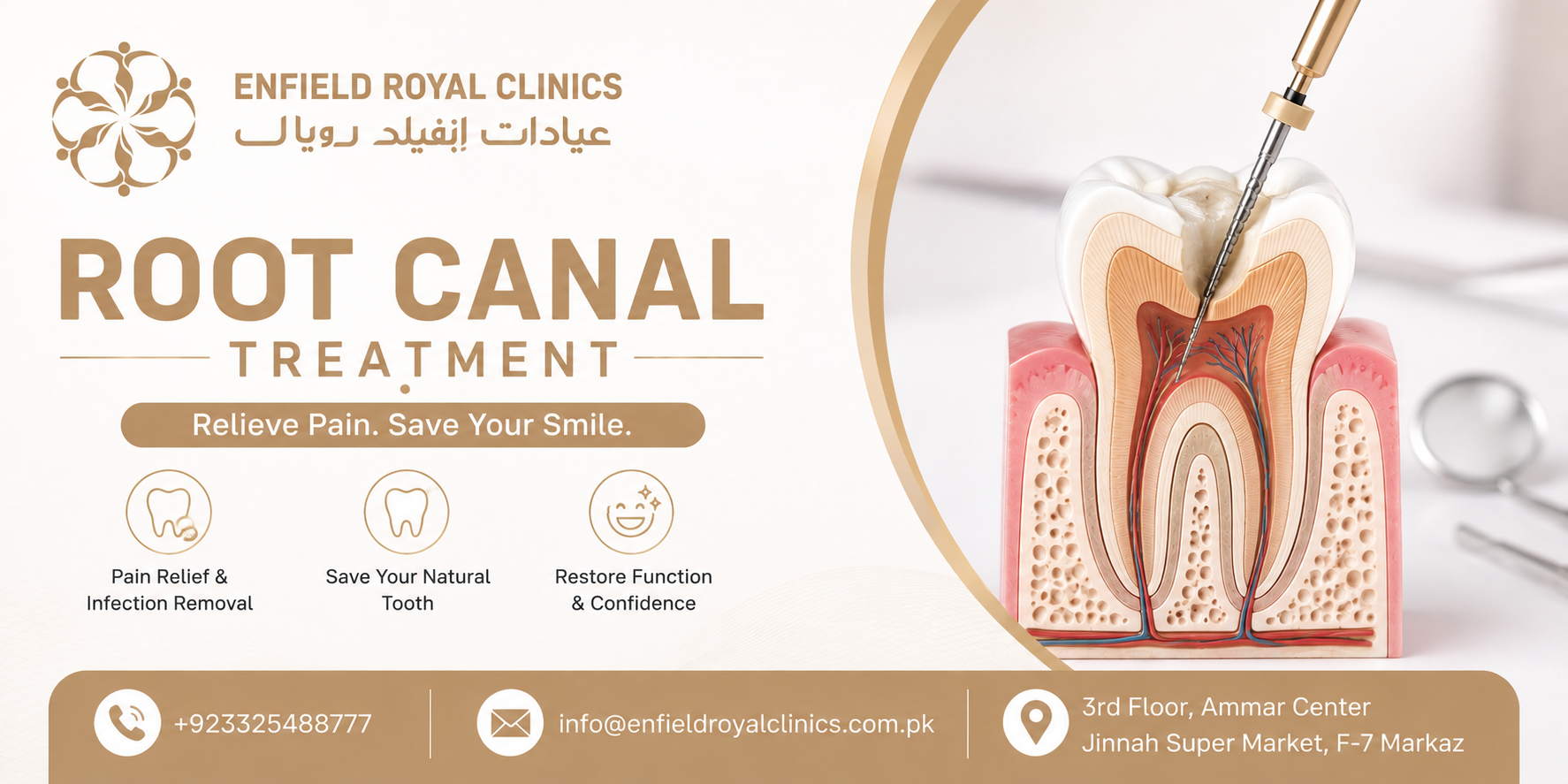
A tooth can remain healthy for many years with proper brushing, flossing, and regular dental checkups. However, certain problems can reach the innermost part of the tooth and cause inflammation or infection. When this happens, a dentist may recommend Root Canal Treatment to remove the damaged pulp, control infection, and preserve the natural tooth.
Understanding what causes these problems can help patients recognize warning signs and seek dental care before a minor issue becomes more serious.
Deep Tooth Decay
One of the most common reasons a tooth eventually requires treatment is extensive dental decay. Cavities begin when bacteria in the mouth produce acids that gradually damage the enamel and deeper layers of the tooth.
A small cavity may often be treated with a filling. If decay is ignored for a long time, however, it can progress toward the dentin and eventually reach the pulp. Once bacteria enter this sensitive inner area, inflammation or infection can develop.
Regular dental visits can help identify cavities while they are still relatively easy to treat.
Cracks and Fractures
A cracked tooth can create a pathway for bacteria to reach the inner tissues. Cracks may develop from biting very hard foods, accidents, sports injuries, teeth grinding, or general wear over time.
Not every crack requires a root canal. A minor surface crack may only need monitoring or another form of restoration. A deeper crack that exposes or damages the pulp, however, may require treatment.
Because cracks can sometimes be difficult to see, persistent pain while chewing or sensitivity should be evaluated by a dentist.
Dental Trauma or Injury
A strong impact to the mouth can damage the pulp even when there is little visible damage to the outside of the tooth. Falls, vehicle accidents, sports injuries, or blows to the face can injure the nerves and blood vessels inside a tooth.
After trauma, the pulp may become inflamed and eventually lose its ability to remain healthy. In some cases, symptoms appear immediately. In others, the tooth may gradually darken or become sensitive weeks or months after the injury.
A dental examination after significant trauma can help detect internal problems before complications develop.
Repeated Dental Procedures
A tooth that has undergone several dental treatments may become more vulnerable to irritation or structural damage. Repeated fillings, replacement restorations, or procedures performed close to the pulp can sometimes affect the inner tissues.
This does not mean that every tooth with multiple fillings will need treatment. However, if the pulp becomes permanently inflamed or infected, further care may be necessary.
Maintaining the tooth properly and addressing failing fillings or crowns early can help reduce the risk of additional damage.
Bacterial Infection Inside the Tooth
When bacteria reach the pulp, they can multiply inside the enclosed space of the tooth. Because the infection has limited room to escape, pressure and inflammation can cause significant pain.
If the infection spreads beyond the root, an abscess may develop in the surrounding tissues. Swelling, tenderness, pus, an unpleasant taste, or a persistent throbbing sensation can occur.
Treatment is intended to remove the infected tissue and disinfect the internal canals rather than simply masking the symptoms.
Large or Untreated Cavities
Some people only visit a dentist when a tooth starts causing severe pain. By that time, a cavity may have progressed significantly.
An untreated cavity can continue moving deeper into the tooth. Once the pulp becomes involved, a simple filling may no longer be enough.
This is why preventive dental care is important. Treating decay at an early stage is usually less complicated than waiting until infection reaches the inner tissues.
Tooth Wear and Grinding
Long-term teeth grinding, also called bruxism, can place considerable stress on the teeth. Persistent pressure may cause small cracks, fractures, or excessive wear.
Severe wear can eventually bring the affected tooth closer to the pulp. If the inner tissues become damaged or infected, more advanced treatment may be considered.
People who regularly grind their teeth may benefit from an evaluation to identify signs of excessive wear and discuss ways to protect their teeth.
Gum Disease and Advanced Infection
Gum disease primarily affects the tissues supporting the teeth, but advanced infection can sometimes contribute to problems around the roots. Deep periodontal pockets can allow bacteria to reach areas close to the root and create additional complications.
A tooth affected by both periodontal and internal infection may require a careful evaluation to identify the actual source of the problem.
Treating gum disease early can protect the supporting tissues and reduce the likelihood of more serious dental complications.
What Are the Warning Signs?
The symptoms of an infected or badly damaged tooth can vary. Some common warning signs include persistent toothache, prolonged sensitivity to hot or cold, pain while chewing, swelling around the gum, tenderness, or discoloration.
Some teeth may become infected without causing obvious pain. A tooth that has lost its normal vitality may sometimes show few symptoms while the infection continues around its root.
For this reason, dental assessment is important when there is a history of significant decay, trauma, or a suspicious change in the tooth.
Can These Problems Be Prevented?
Many causes can be reduced through consistent oral care. Brushing twice a day with fluoride toothpaste, cleaning between the teeth, limiting frequent sugary foods and drinks, and attending regular dental examinations can help control decay.
Using a properly fitted mouthguard during contact sports may help reduce the risk of dental injuries. Patients who grind their teeth may also need professional advice about protective appliances.
Early treatment of cavities, damaged fillings, cracks, and injuries is another important part of prevention.
Why Early Dental Care Matters
Ignoring dental symptoms can allow a problem to progress from a manageable condition to a complicated infection. Once the pulp becomes severely damaged, treatment may become necessary to prevent the infection from spreading.
In some cases, early intervention may allow the dentist to preserve more healthy tooth structure. Delaying care can increase the risk of an abscess, bone damage, or eventual tooth loss.
Getting an evaluation at the first sign of persistent discomfort is therefore a sensible approach to protecting your oral health.
Final Thoughts
Several problems can lead to the need for Root Canal Treatment, with deep decay, cracks, trauma, bacterial infection, and repeated dental procedures among the common causes. The key factor is usually damage or infection involving the pulp inside the tooth.
Recognizing symptoms early and maintaining regular dental care can help prevent complications. When the pulp can no longer recover, timely professional treatment may remove the source of infection and give the natural tooth an opportunity to remain functional for years.
For more information visit Enfield royal clinic in islamabad

 English
 French
 Spanish
 Portuguese
 Deutsch
 Turkish
 Dutch
Dutch
 Italiano
 Russian
 Romaian
 Portuguese (Brazil)
 Greek
Greek
