


What Is NAD+ Supplement? Uses, Science, and Insights
Modern wellness research is paying increasing attention to the role of cellular energy, healthy aging, and metabolic function. One molecule that has received significant scientific interest is nicotinamide adenine dinucleotide, commonly known as NAD⁺.
A NAD+ supplement is generally designed to support the body's NAD⁺ levels, often by providing compounds that the body can use to make NAD⁺. Research has explored its possible role in cellular energy production, metabolism, healthy aging, and other areas of human health. However, while laboratory and animal research is promising, the benefits seen in humans are still being studied.
What Is NAD⁺?
NAD⁺ stands for nicotinamide adenine dinucleotide. It is a naturally occurring molecule found in almost every cell of the body.
Although the name may sound complicated, its basic role is easier to understand. NAD⁺ helps cells convert nutrients from food into usable energy. It also participates in several processes involved in maintaining normal cellular function.
NAD⁺ exists mainly in two forms:
- NAD⁺, the oxidized form
- NADH, the reduced form
These two forms work together in chemical reactions that help cells manage energy and maintain their normal functions.
NAD⁺ is also involved in processes related to DNA repair, cellular signaling, mitochondrial activity, and the regulation of proteins that respond to changes inside cells. Because of these wide-ranging functions, scientists have become interested in whether maintaining NAD⁺ availability could support healthy aging and metabolic health.
Why Is NAD⁺ Important for the Body?
Every cell requires energy to function. The body gets much of this energy from carbohydrates, fats, and other nutrients. NAD⁺ plays an important role in the chemical reactions that help release energy from these nutrients.
Think of NAD⁺ as part of the cell's energy-processing system. It helps transfer electrons during metabolic reactions, allowing mitochondria to produce energy in the form of ATP.
But energy production is not its only function.
NAD⁺ also participates in:
- Cellular metabolism
- Mitochondrial function
- DNA repair processes
- Cell signaling
- Regulation of certain proteins
- Responses to cellular stress
- Maintaining normal redox balance
This broad role explains why NAD⁺ has become an important subject in aging and longevity research.
How Does the Body Make NAD⁺?
The body does not depend on a single source to produce NAD⁺. It can make NAD⁺ through several biochemical pathways using different nutrients and precursor molecules.
Some of the important compounds involved include:
Nicotinamide
Nicotinamide, also known as niacinamide, is a form of vitamin B3. The body can use it as a building block for NAD⁺ production.
Nicotinamide Riboside (NR)
Nicotinamide riboside is another form of vitamin B3-related compound. It has been widely studied as an NAD⁺ precursor.
Human research has shown that oral NR can increase NAD-related metabolites and NAD⁺ availability in certain tissues. However, increasing NAD⁺ levels does not automatically mean that a person will experience a noticeable health benefit.
Nicotinamide Mononucleotide (NMN)
NMN is another NAD⁺ precursor that has received considerable attention in aging research.
Studies have investigated NMN for its potential effects on metabolic health, physical function, and other age-related processes. Much of the early enthusiasm came from laboratory and animal studies, while human research is still developing.
What Is an NAD⁺ Supplement?
The term "NAD⁺ supplement" can be used broadly for products intended to increase NAD⁺ availability in the body.
Importantly, many oral products do not simply contain large amounts of NAD⁺ itself. Instead, they may contain compounds that the body can use to produce NAD⁺.
Common NAD⁺-related supplement ingredients include:
- Nicotinamide riboside (NR)
- Nicotinamide mononucleotide (NMN)
- Nicotinamide
- Other compounds being investigated as NAD⁺ precursors
Different products may use different ingredients, doses, and formulations. Therefore, it is important to look at the actual ingredient list rather than assuming that every NAD⁺ product works in exactly the same way.
Research also suggests that the way NAD⁺ metabolism works can vary between tissues and individuals. Factors such as age, metabolic health, dose, and the route of administration may influence the body's response.
Potential Uses of NAD⁺ Supplements
NAD⁺ supplements are commonly discussed in connection with several areas of health. However, it is important to distinguish between potential uses being studied and proven medical benefits.
1. Supporting Cellular Energy
Because NAD⁺ is involved in energy metabolism, researchers are interested in whether increasing NAD⁺ availability can support cellular energy production.
This is particularly relevant because mitochondria rely on NAD-related reactions to help generate ATP.
However, simply increasing NAD⁺ levels does not necessarily mean that someone will have more energy or feel less tired. Human research has not established NAD⁺ supplementation as a universal treatment for fatigue.
2. Healthy Aging Research
A major area of NAD⁺ research is healthy aging.
Some laboratory studies suggest that NAD⁺ metabolism changes with age. Animal research has also produced interesting findings when NAD⁺ levels are restored or increased.
However, human evidence is more limited. A 2025 review noted that evidence for age-related NAD⁺ decline in humans remains limited and that results from animal studies cannot simply be applied to people.
This means NAD⁺ is scientifically interesting, but it should not currently be described as a proven anti-aging treatment.
3. Metabolic Health
Researchers have studied NAD⁺ precursors in people with metabolic concerns, including overweight, obesity, and insulin-related conditions.
Some studies have found changes in metabolic markers, while other clinical trials have not found meaningful improvements in measures such as insulin sensitivity.
For example, one randomized clinical trial involving obese, insulin-resistant men found that 12 weeks of nicotinamide riboside increased NAD-related activity but did not improve insulin sensitivity or whole-body glucose metabolism.
This highlights an important point: biological activity does not always translate into a measurable clinical benefit.
4. Mitochondrial Function
Mitochondria are often called the energy-producing centers of cells. NAD⁺ is closely involved in mitochondrial metabolism.
Because mitochondrial function can change with aging and certain health conditions, scientists are studying whether NAD⁺-boosting approaches could support mitochondrial health.
This remains an active research area rather than a confirmed treatment strategy for mitochondrial disorders.
5. Brain and Neurological Research
NAD⁺ metabolism is also being studied in relation to brain health and neurological conditions.
Researchers have investigated NAD⁺ precursors in conditions such as Parkinson's disease and other age-related neurological disorders.
Early studies have provided useful information about safety, NAD-related changes, and biological effects. However, larger clinical studies are needed before these supplements can be considered established treatments for neurological diseases.
What Does the Science Say About NAD⁺ Supplements?
The scientific picture is promising but not conclusive.
A recent systematic review published in 2026 examined 113 studies, including 33 human intervention studies and 80 animal studies. It found that oral NR and NMN generally increased NAD-related biomarkers and were generally well tolerated over the study periods.
However, improvements in health outcomes were inconsistent. Some studies showed possible benefits, while others found little or no meaningful improvement. The researchers concluded that the clinical effectiveness of NAD⁺ supplementation for anti-aging and wellness remains uncertain.
Another review published in Nature Metabolism in 2025 reached a similar conclusion. It noted that human clinical trials have generally shown limited efficacy and that more research is needed to understand how NAD⁺ metabolism changes across different tissues.
This is why NAD⁺ supplements should be viewed as an area of ongoing scientific research rather than a proven solution for all aspects of aging or health.
NAD⁺ Supplements vs. NAD⁺ Infusions
It is important to understand that oral NAD⁺-related supplements and intravenous NAD⁺ treatments are not the same.
Oral products often provide NAD⁺ precursors such as NR or NMN. The body then processes these compounds through its own metabolic pathways.
Intravenous NAD⁺ administration involves giving NAD⁺ directly through an infusion.
The evidence for intravenous NAD⁺ is currently much less developed. The 2026 systematic review found no eligible clinical outcomes trials evaluating intravenous or intramuscular NAD⁺ itself for anti-aging or wellness purposes.
Therefore, claims about rapid or dramatic benefits from NAD⁺ infusions should be considered carefully until stronger clinical evidence becomes available.
Are NAD⁺ Supplements Safe?
Available human studies generally suggest that commonly studied oral NAD⁺ precursors such as NR and NMN are reasonably well tolerated over the short to medium term.
However, "generally well tolerated" does not mean that supplements are completely risk-free.
Reported side effects can vary depending on the specific compound, dose, formulation, and individual.
Some clinical research involving NAD-related compounds has reported symptoms such as:
- Headache
- Fatigue
- Digestive discomfort
- Sleep changes
- Muscle-related symptoms
Evidence on long-term use is still developing, so people should not assume that taking higher doses for long periods is automatically safe.
People who are pregnant, breastfeeding, taking medications, managing a chronic health condition, or preparing for medical treatment should discuss supplement use with a qualified healthcare professional.
How Should You Choose an NAD⁺ Supplement?
If someone is considering an NAD⁺-related supplement, several factors deserve attention.
Check the Active Ingredient
Look at whether the product contains NR, NMN, nicotinamide, or another compound. These ingredients are not identical and should not automatically be treated as interchangeable.
Review the Dosage
More is not necessarily better. Research studies have used different doses, and there is no single dose that can be recommended for everyone.
Look for Quality Information
Choose products that clearly state their ingredients, serving size, and manufacturing information.
Avoid Overpromising Claims
Be cautious about products that claim to:
- Reverse aging
- Cure chronic diseases
- Guarantee weight loss
- Restore youthful health
- Prevent serious diseases
- Provide immediate dramatic energy
These claims often go beyond what current human evidence can support.
Can You Naturally Support NAD⁺ Levels?
Supplements are only one part of the bigger picture.
NAD⁺ metabolism is connected to nutrition, physical activity, sleep, cellular stress, and overall metabolic health. Maintaining healthy daily habits is therefore important even when considering NAD⁺-related products.
A balanced approach can include:
- Eating a varied, nutrient-rich diet
- Staying physically active
- Maintaining a healthy body weight
- Getting consistent sleep
- Limiting excessive alcohol consumption
- Avoiding smoking
- Managing long-term health conditions with professional guidance
These habits support overall health and may be more important for healthy aging than relying on a single supplement.
What Are the Current Research Gaps?
There are still several important questions scientists need to answer.
First, researchers need to understand how NAD⁺ levels change in different human tissues during aging.
Second, increasing NAD⁺ in the blood does not necessarily mean that the same increase occurs in every tissue or cell.
Third, studies vary widely in their doses, participants, treatment periods, and methods of measuring NAD-related compounds.
Fourth, some promising findings come from animal studies. Animal research is valuable, but results cannot always be directly translated into human health outcomes.
Finally, researchers need larger and longer clinical trials that focus on meaningful health outcomes rather than only changes in laboratory biomarkers.
Frequently Asked Questions
Is NAD⁺ a vitamin?
No. NAD⁺ is not itself a vitamin. It is a coenzyme found naturally in cells. The body can make it from several nutrients and precursor compounds, including forms related to vitamin B3.
Does an NAD⁺ supplement increase NAD⁺ levels?
Some oral NAD⁺ precursors, particularly NR and NMN, have been shown in human studies to increase NAD-related biomarkers. However, the size of the response can vary, and higher NAD⁺ levels do not automatically guarantee health benefits.
Can NAD⁺ supplements reverse aging?
There is currently not enough human evidence to say that NAD⁺ supplements can reverse aging. Research into healthy aging is promising, but clinical benefits remain uncertain.
Is NAD⁺ supplementation suitable for everyone?
No supplement is suitable for everyone. Individual health status, medications, age, pregnancy, and other factors should be considered before starting a supplement.
Are NR and NMN the same?
No. NR and NMN are different NAD⁺ precursors. Both have been studied for their ability to support NAD⁺ production, but they have different chemical structures and may behave differently in the body.
Is more NAD⁺ always better?
Not necessarily. NAD⁺ biology is complex, and the body carefully regulates its levels and metabolism. Current research does not support the idea that simply maximizing NAD⁺ will automatically improve health.
Final Thoughts
NAD⁺ is an important molecule that supports many basic functions inside the body, especially energy metabolism, cellular signaling, and normal cellular maintenance. Because NAD⁺ biology is closely connected with aging and metabolism, it has become an exciting area of modern research.
At the same time, it is important to separate scientific potential from proven health outcomes. Human studies show that certain NAD⁺ precursors can increase NAD-related levels, but evidence for major improvements in aging, energy, metabolic health, or disease prevention is still mixed.
For anyone exploring NAD⁺ supplementation, informed decisions are more valuable than exaggerated promises. Understanding the ingredient, reviewing the available evidence, considering personal health needs, and discussing supplementation with a qualified healthcare professional can help support a safer and more informed approach.
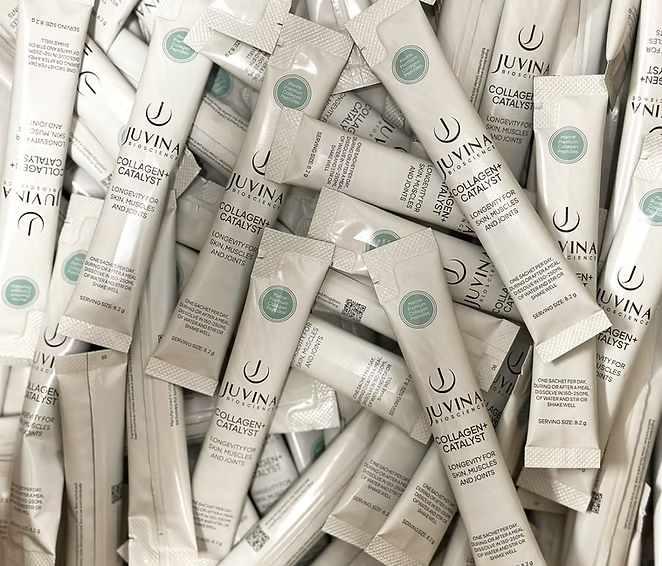
Juvina Bioscience recognizes the growing interest in NAD⁺ science and the importance of making health information clear, balanced, and evidence-aware. As research continues, future clinical studies may help us better understand where NAD⁺-based approaches can provide meaningful benefits and which claims should remain the subject of further investigation.

 English
 French
 Spanish
 Portuguese
 Deutsch
 Turkish
 Dutch
Dutch
 Italiano
 Russian
 Romaian
 Portuguese (Brazil)
 Greek
Greek
