


How to Choose the Right Local Interior Designer for Your Home's Unique Architectural Style
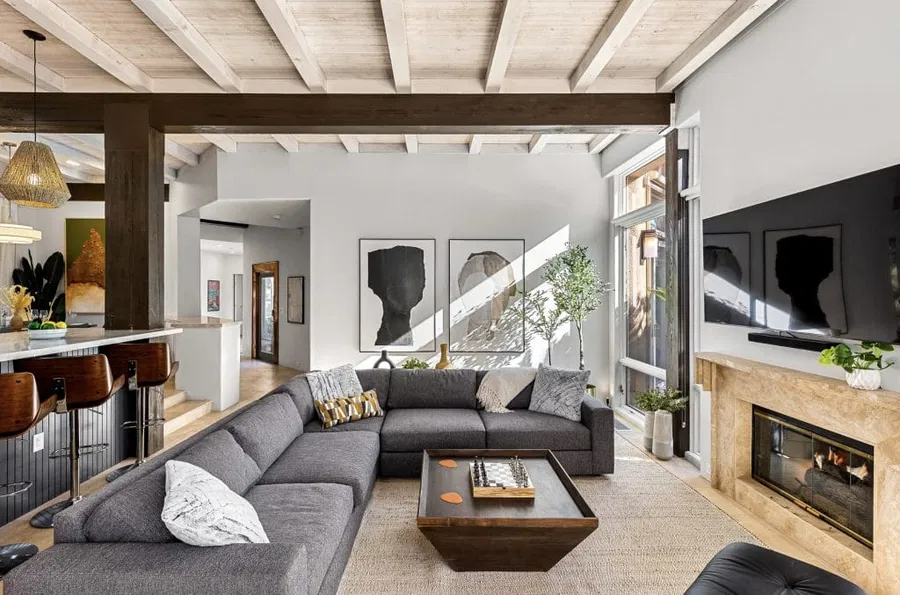
Choosing an interior designer is an important decision when you want your home to feel both beautiful and appropriate to its architectural character. Every property has its own proportions, materials, history, and relationship with its surroundings, so a successful interior should respond to those qualities rather than ignore them. Working with a local interior designer can be particularly helpful because local professionals may have experience with the architectural styles, suppliers, craftspeople, and renovation challenges common in the area. The right designer can help preserve what makes your property distinctive while introducing practical improvements for modern living. Taking time to assess experience, design philosophy, communication, and technical understanding can make the selection process much easier.
Understand Your Home Before Choosing a Designer
Before contacting designers, homeowners should spend some time understanding what makes their property distinctive. Consider the age of the building, original architectural details, room proportions, natural light, existing materials, and any previous alterations. Features such as fireplaces, cornices, timber flooring, stonework, panelled doors, exposed beams, or original windows can influence the design direction. Understanding which elements you want to preserve and which areas need updating will help you communicate your expectations. A clear starting point also allows potential designers to explain how they would approach the property.
It is useful to distinguish between the home's architectural character and your personal decorating preferences. You may love contemporary furniture but live in a traditional property, or you may own a modern house while preferring classic materials and detailing. A skilled designer should be able to combine personal taste with the existing architecture rather than forcing one style onto every room. This balance is often what makes an interior feel natural and considered. The goal should be a home that reflects the people who live there while still respecting the building itself.
Look for Relevant Portfolio Experience
A designer's portfolio is one of the most useful tools for evaluating whether their approach suits your property. Look beyond photographs that simply show attractive rooms and examine how the designer responds to different architectural conditions. If you own a period property, look for examples involving original features, unusual proportions, traditional materials, or sensitive alterations. If your home is contemporary, examine whether the designer has experience with clean lines, open layouts, modern finishes, and integrated technology. Relevant experience can provide reassurance that the designer understands the practical challenges associated with your type of property.
However, a portfolio does not need to look identical to your home for a designer to be suitable. What matters is whether their projects demonstrate flexibility, attention to detail, and an ability to develop individual solutions. Ask potential designers about projects that presented difficult constraints and how they resolved them. Their answers can reveal more about their professional ability than polished photographs alone. A good designer should be able to explain why certain materials, layouts, lighting solutions, or furniture arrangements were selected.
Evaluate Their Understanding of Architectural Character
Interior design works best when it responds thoughtfully to the architecture. Ask a potential local interior designer how they would approach your property's original features and whether they believe certain elements should be retained, restored, adapted, or contrasted. Their response can reveal whether they view the existing architecture as an important part of the design or simply as a background for decorative choices. A strong professional should be able to identify opportunities within the property while acknowledging its limitations. This approach can produce interiors that feel connected rather than artificially styled.
For example, a traditional home may benefit from retaining original mouldings while introducing contemporary lighting and furniture. A modern property might require simpler furniture forms and carefully controlled materials to maintain its architectural clarity. Older buildings can also have uneven walls, unusual room dimensions, low ceilings, or historic construction methods that influence what is practical. An experienced designer will consider these characteristics before recommending products or finishes. This combination of respect for the existing structure and sensitivity to modern living can make a substantial difference to the finished result.
Consider Local Knowledge and Professional Connections
One reason homeowners choose a local interior designer is the practical knowledge that comes from working within a particular region. Local designers may know nearby suppliers, specialist manufacturers, tradespeople, joiners, upholsterers, fabricators, and other professionals. These relationships can be particularly useful when a project requires bespoke work or materials that are difficult to source through mainstream retailers. Regional knowledge can also help with realistic expectations around lead times, installation, availability, and local construction practices. While professional recommendations should always be checked appropriately, established networks can make a complex renovation more manageable.
Local knowledge can be especially valuable when working on distinctive architectural properties. Certain regions have strong traditions of stone construction, timber detailing, traditional joinery, or particular residential forms. A designer familiar with these characteristics may know how to introduce modern comforts without losing the qualities that make the property special. This does not mean every local designer will automatically be the right choice. Homeowners should still examine experience, credentials, communication, and previous work before making an appointment.
Ask How They Work With Architects and Contractors
Many home projects involve more than one professional, especially when walls are being altered, extensions are planned, or significant structural work is required. Interior design decisions can affect architectural drawings, lighting plans, electrical layouts, plumbing, joinery, flooring, and construction sequencing. Ask potential designers how they collaborate with architects and contractors and who will be responsible for coordinating different aspects of the project. Clear communication between professionals can prevent design conflicts and reduce the likelihood of costly changes later. This is particularly important when the interior forms part of a larger renovation rather than a purely decorative refresh.
Homeowners researching the best residential architects Scotland has to offer may be considering an architectural team at the same time as an interior designer. In this situation, it is useful to establish how responsibilities will be divided from the beginning. The architect may lead structural and planning matters while the interior designer focuses on finishes, furniture, lighting, joinery, and spatial experience, but the exact arrangement will vary. Ideally, both professionals should be comfortable sharing information and coordinating decisions. A collaborative relationship can help ensure that the architecture and interior design support one another.
Review Their Design Process
Every designer has a different way of developing a project, so homeowners should ask what happens after the initial consultation. A typical process may include briefing, concept development, space planning, material selection, design presentations, detailed specifications, procurement, and installation support. Not every designer offers every stage, so it is important to understand exactly what is included. Ask how many design revisions are normally allowed and how changes affect fees. A clear process provides structure while still allowing room for the design to evolve.
The designer should also explain how they gather information about your lifestyle. A successful interior is not only about visual style; it needs to support how you actually use each room. Discuss storage requirements, entertaining habits, working arrangements, family needs, accessibility, maintenance preferences, and future plans for the property. These practical details can influence everything from furniture dimensions to lighting and circulation. A designer who asks thoughtful questions before making recommendations is more likely to create a space that works beyond the initial photographs.
Assess Communication and Attention to Detail
Communication can have a major influence on the success of a design project. During the initial consultation, pay attention to whether the designer listens carefully, explains ideas clearly, and responds directly to your concerns. You should feel comfortable discussing budget limitations and changing your mind when necessary. A professional relationship can last for months, particularly on larger renovations, so communication style matters. Clear expectations from the beginning can prevent misunderstandings later.
Attention to detail is equally important because interior projects often involve many small decisions. Door hardware, skirting profiles, curtain tracks, lighting positions, sockets, cabinet dimensions, paint finishes, and junctions between materials can all affect the final result. Ask how the designer records and communicates these details to contractors and suppliers. Detailed schedules, drawings, specifications, and product information can help reduce errors during installation. A beautiful concept is valuable, but the quality of its execution often depends on how carefully the details have been documented.
Discuss Budget and Procurement Clearly
Budget should be discussed openly before the project begins. Ask the designer how they structure their fees and whether procurement, project management, site visits, and installation support are included. You should also understand whether products are purchased directly by you or through the design practice. If the designer manages procurement, ask how delivery schedules, damaged goods, substitutions, and returns are handled. Transparency at this stage helps prevent unexpected costs and allows you to make informed choices.
A good designer should be able to work with your priorities rather than simply encouraging the most expensive option. Some elements may deserve greater investment because they are highly visible, frequently used, or difficult to replace, while other areas can be completed economically without compromising the overall design. Discuss where you are willing to invest and where you would prefer to control spending. The designer can then create a strategy that balances quality, appearance, durability, and budget. This approach often produces better results than trying to make every item equally luxurious.
Check Credentials, References, and Professional Experience
Before appointing a designer, carry out reasonable checks on their professional background and previous work. Ask for references or testimonials where available and consider speaking with previous clients about communication, reliability, budget management, and the quality of completed work. Professional memberships, qualifications, insurance, and relevant training can also provide useful information, although they should be considered alongside practical experience. A designer should be willing to explain their role and responsibilities clearly. If the project includes architectural or structural work, make sure those aspects are handled by appropriately qualified professionals.
Do not be afraid to ask difficult but relevant questions before signing an agreement. Find out who will actually work on the project, how often you will receive updates, what happens if the scope changes, and how problems are handled. You should also know who makes final purchasing decisions and who is responsible for checking deliveries and installations if procurement is included. Written agreements can clarify these responsibilities and protect both parties. Choosing a designer based on a complete understanding of the service is safer than relying entirely on personality or portfolio images.
Make Sure the Designer Fits Your Vision
Ultimately, the right local interior designer should be someone who can understand your vision while also challenging ideas when a better solution exists. You do not need a designer who simply agrees with everything you suggest. Professional value often comes from their ability to identify problems, offer alternatives, explain the reasoning behind recommendations, and improve the overall concept. At the same time, the final home should reflect your personality rather than becoming a showcase of someone else's preferred style. A productive relationship combines professional expertise with genuine collaboration.
Before making your final decision, compare several potential designers based on relevant experience, architectural sensitivity, communication, process, budget transparency, supplier relationships, and construction coordination. If your project also involves architects, establish how the two disciplines will work together from the outset. For homeowners considering the best residential architects Scotland has to offer, the same principle applies: look beyond marketing language and assess evidence of successful, relevant projects. The best team is one that can translate your goals into a practical and cohesive design.
Conclusion
Choosing the right interior designer is about finding a professional who can work with the unique qualities of your home rather than simply applying a fashionable look. A local interior designer can bring regional knowledge, supplier relationships, familiarity with local property styles, and access to experienced trades, while a strong understanding of architecture ensures that design choices feel appropriate to the building. Reviewing portfolios, asking about processes, checking references, discussing budgets, and evaluating communication can help homeowners make a confident decision. Taking this time at the beginning can prevent misunderstandings and improve the experience throughout the renovation.
Whether you own a traditional property, a contemporary house, or a home that combines several architectural influences, thoughtful interior design can improve both its appearance and everyday functionality. When architects, interior designers, contractors, and homeowners communicate effectively, the finished result can feel intentional from the structure through to the smallest decorative detail. The right professional will respect the existing architecture while creating spaces that support modern life. By focusing on experience, compatibility, technical awareness, and transparent service, homeowners can select a designer capable of turning their property's distinctive character into a comfortable and lasting interior.

 Arabic
 French
 Spanish
 Portuguese
 Deutsch
 Turkish
 Dutch
Dutch
 Italiano
 Russian
 Romaian
 Portuguese (Brazil)
 Greek
Greek
