


The Future of Healing: Advanced Wound Care Innovations in Genesee County
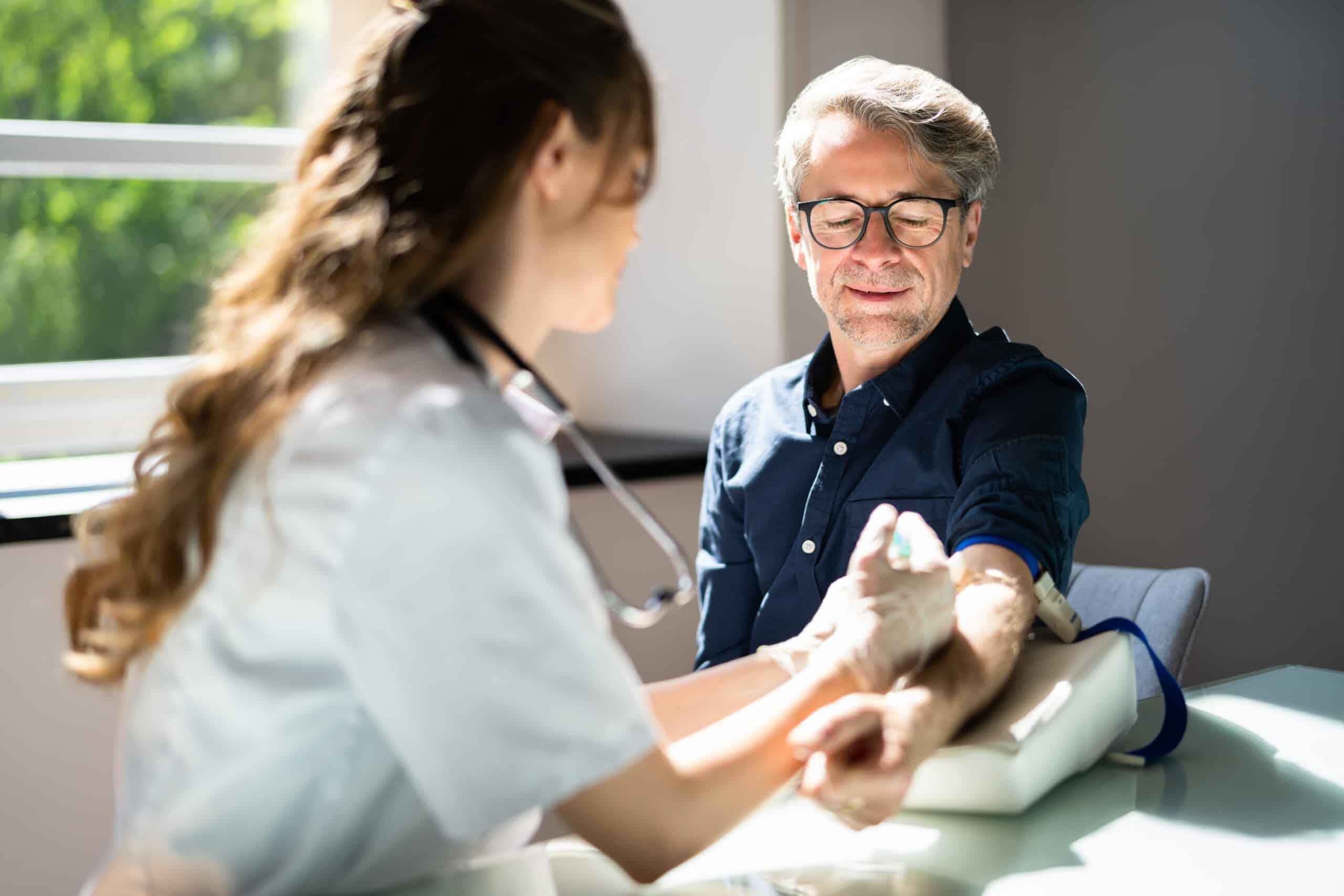
Wound care has changed considerably as healthcare professionals gain a better understanding of how wounds develop, why healing may be delayed, and which treatments can support recovery. Traditional dressings remain important, but complex wounds may require more comprehensive assessment and specialized interventions. Access to advanced wound care in Genesee County can help suitable patients receive individualized management based on the wound and their overall health. Modern care increasingly emphasizes early assessment, accurate documentation, prevention, and coordinated treatment. These developments can give patients and caregivers a clearer understanding of their options when ordinary wound care is not enough.
The future of wound treatment is not simply about using newer products or technology. Effective care still depends on professional judgment, accurate diagnosis, appropriate treatment selection, and regular reassessment. Factors such as diabetes, circulation, pressure, nutrition, mobility, infection risk, and medication use may influence healing. Healthcare professionals consider these issues when developing a treatment strategy for an individual patient. Innovations are most useful when they are applied appropriately and supported by evidence and clinical expertise.
How Advanced Wound Care Is Changing
Advanced wound care has moved toward a more comprehensive approach that considers the patient as well as the wound itself. Healthcare professionals may assess wound dimensions, tissue characteristics, drainage, surrounding skin, pressure, circulation, and other clinically relevant factors. This information can help determine which treatments are appropriate and whether additional evaluation is necessary. Instead of relying on one standard dressing for every situation, clinicians can select care based on the specific needs of the wound. Regular reassessment also makes it possible to modify the treatment plan when healing does not progress as expected.
Technology has also improved how wound information can be documented and communicated. Digital records, clinical photography where appropriate, and standardized measurements can help healthcare teams track changes over time. Consistent documentation can make it easier to identify whether a wound is improving or whether additional intervention may be required. However, technology does not replace clinical assessment or professional experience. Its value comes from helping qualified healthcare professionals make better-informed decisions and communicate important information across the care team.
Advanced Dressings and Wound Healing Materials
Modern wound management includes a broad range of dressing technologies designed for different wound characteristics. Depending on the clinical situation, healthcare professionals may select products intended to manage moisture, absorb drainage, protect tissue, or maintain an appropriate wound environment. Some advanced dressings may incorporate specialized materials or substances intended for particular wound-care purposes. The choice should be based on professional assessment rather than marketing claims. A more expensive or technologically sophisticated dressing is not automatically the right choice for every patient.
Treatment plans may also change as a wound progresses through different stages of healing. A dressing that is suitable at one point may no longer be appropriate later. Regular reassessment allows the healthcare team to determine whether the wound environment and treatment goals have changed. Patients should follow the instructions provided by their healthcare professionals rather than switching products independently. Proper application, frequency of changes, and monitoring are all important parts of safe wound management.
Negative Pressure Wound Therapy
Negative pressure wound therapy is one example of a specialized approach that may be considered for selected wounds. The technique uses controlled suction through a specialized dressing system to manage wound fluid and support the wound environment. It is not suitable for every type of wound, and patient selection is important. A qualified healthcare professional should determine whether this therapy is appropriate after considering the wound and the patient’s medical condition. Treatment also requires appropriate application, monitoring, and follow-up.
Patients considering negative pressure therapy should understand that it is one component of a broader wound-care strategy. The underlying reason for delayed healing may still need to be addressed through pressure management, infection treatment, circulation assessment, diabetes management, nutrition, or other interventions. The healthcare team should explain the purpose of the therapy and what patients should expect during treatment. Any concerns with the device or wound should be communicated promptly. Professional monitoring remains essential throughout the treatment period.
Biological and Regenerative Approaches
Some advanced wound programs may use specialized biological materials or regenerative approaches for carefully selected wounds. These treatments can be considered when standard management has not produced adequate progress and when the patient meets specific clinical criteria. The purpose may be to provide support for tissue repair or create conditions that encourage healing. Such therapies are not appropriate for every wound and should never be presented as universal solutions. Professional evaluation is necessary before deciding whether a regenerative approach has a reasonable role in a patient’s treatment.
Patients should ask healthcare professionals about the evidence supporting any proposed advanced therapy. Important questions include why the treatment is being recommended, what alternatives exist, what risks may be involved, and how progress will be monitored. Patients should also understand whether the therapy is part of an established treatment plan or requires referral to a specialized provider. Clear explanations help patients make informed decisions. Evidence-based care should remain the foundation even as wound-treatment technologies continue to develop.
The Growing Role of Home-Based Wound Treatment
Home-based healthcare is another area that has become increasingly important for patients who face transportation or mobility challenges. When a patient is clinically appropriate for home treatment, selected wound-care services can be provided in the residence by qualified healthcare professionals. Advanced home wound treatment Troy Michigan may offer patients access to professional support without requiring every routine appointment to take place in a clinic. Depending on the provider and treatment plan, services may include wound observation, dressing support, education, documentation, and communication with physicians. The exact services available depend on professional qualifications and the patient’s needs.
Home-based care can also give healthcare professionals insight into practical factors affecting treatment. A patient may struggle with positioning, dressing changes, supply organization, mobility, or pressure reduction within the home environment. A qualified nurse can identify relevant difficulties and communicate appropriate observations to the healthcare team. Caregivers can also receive education about the established treatment plan. However, complex procedures, diagnostic testing, emergency conditions, and certain specialist services may still require a clinic, hospital, or other appropriate facility.
Personalized Treatment for Chronic Wounds
Chronic wounds can be particularly challenging because several factors may contribute to delayed healing at the same time. Diabetes, vascular conditions, pressure, reduced mobility, nutrition, infection, and other health concerns may all influence recovery. Modern wound care therefore emphasizes individualized treatment rather than assuming every chronic wound should be managed in the same way. Healthcare professionals may combine several strategies according to the patient’s circumstances. Regular reassessment helps determine whether those strategies are producing meaningful progress.
Personalized treatment also involves understanding the patient’s daily routine and ability to follow recommendations. A theoretically effective treatment may be difficult to maintain if the patient cannot reach the wound, lacks appropriate supplies, or has mobility limitations. Healthcare professionals can discuss these barriers and determine whether additional support is appropriate. Caregivers may also participate in education when the patient wants their assistance. Addressing practical challenges can help make the treatment plan more realistic and sustainable.
Digital Monitoring and Better Communication
Digital healthcare tools may increasingly support wound monitoring and communication between patients and healthcare professionals. Depending on the care setting, photographs, electronic records, secure communication systems, and standardized documentation can help clinicians track wound changes. These tools may be particularly useful when several professionals are involved in a patient’s care. They can make relevant information easier to share and review. However, images or digital information should not be treated as a substitute for physical examination when an in-person assessment is clinically necessary.
Better communication can be especially valuable when a wound changes unexpectedly. A nurse visiting a patient at home may document a concerning observation and communicate it to the responsible physician. The physician can then determine whether additional assessment, testing, treatment changes, or specialist referral is necessary. This type of coordination helps prevent wound care from becoming isolated from the patient’s broader healthcare needs. Technology can support this process, but professional judgment remains central to safe decision-making.
Managing Diabetic and Pressure-Related Wounds
Diabetic and pressure-related wounds continue to require careful attention because the underlying causes can complicate healing. Reduced sensation, circulation problems, prolonged pressure, limited mobility, and other factors may increase the risk of tissue damage. Advanced care often focuses on addressing these contributing factors rather than treating the wound alone. For example, pressure reduction may be essential for a pressure injury, while diabetic patients may require coordinated management of several health factors. The appropriate plan should be individualized by qualified professionals.
Prevention is equally important for patients at increased risk of chronic wounds. Regular skin inspection, appropriate footwear when recommended, pressure management, mobility support, and adherence to professional instructions can all contribute to reducing avoidable injury. Patients should report new wounds or significant skin changes promptly. Waiting for a wound to become painful is not always reliable, particularly when sensation is reduced. Early professional assessment can help determine the seriousness of an injury and the appropriate next step.
The Importance of Multidisciplinary Wound Care
Complex wounds frequently require more than one type of healthcare expertise. Physicians can evaluate underlying medical conditions, prescribe treatments, and determine whether testing or specialist referral is needed. Nurses can provide ongoing wound support, education, documentation, and monitoring within their professional scope. Other professionals may contribute expertise involving circulation, mobility, nutrition, rehabilitation, or diabetes management. When these professionals communicate effectively, patients can receive a more coordinated treatment experience.
Multidisciplinary care is particularly valuable when healing has stalled. The team may need to reconsider factors such as pressure, circulation, infection, nutrition, medication effects, or the original diagnosis. Patients should be encouraged to communicate difficulties rather than quietly discontinuing parts of their treatment plan. A coordinated team can identify problems earlier and determine whether adjustments are appropriate. The goal is not simply to introduce more treatments but to ensure that each intervention has a clear clinical purpose.
Choosing Advanced Wound Care in Genesee County
Patients researching advanced wound care in Genesee County should consider the provider’s qualifications, experience, available services, and approach to complex wounds. It is reasonable to ask which types of chronic and difficult-to-heal wounds the clinicians routinely manage. Patients can also ask how assessments are documented and how the provider communicates with primary physicians or specialists. Understanding the referral process is important if the wound requires services outside the provider’s scope. These questions can help patients evaluate care based on quality and suitability rather than convenience alone.
Practical considerations should also be discussed before treatment begins. These may include appointment availability, service locations, insurance arrangements, costs, supplies, and follow-up procedures. Patients should know whom to contact if the wound changes between appointments and when urgent evaluation is required. A responsible provider should explain the treatment plan in understandable language and encourage questions. Transparent communication is an important part of building trust between patients, caregivers, and healthcare professionals.
When Advanced Treatment Is Necessary
Not every wound requires an advanced intervention, and introducing specialized treatment without an appropriate clinical reason may not provide additional benefit. Basic wound care can be effective for many injuries when the wound is properly assessed and healing normally. Advanced techniques are generally considered when a wound is complex, chronic, slow to heal, or affected by factors requiring specialized management. The decision should be based on clinical findings and professional judgment. Patients should ask why a specific treatment is being recommended before proceeding.
Certain symptoms may also indicate that a wound needs prompt medical attention rather than a routine advanced-care appointment. Increasing pain, spreading redness, significant swelling, fever, unusual drainage, tissue discoloration, or rapid deterioration should be reported to an appropriate healthcare professional. Serious symptoms may require urgent or emergency evaluation. Home-based wound care should never delay treatment when hospital or emergency services are necessary. Recognizing when to escalate care is an important part of safe wound management.
Conclusion
The future of wound healing is being shaped by better assessment, specialized dressings, advanced therapies, digital documentation, personalized treatment, and stronger coordination among healthcare professionals. Advanced wound care in Genesee County can give appropriate patients access to specialized evaluation and treatment designed around their individual wounds and health circumstances. For patients who need suitable home-based support, advanced home wound treatment Troy Michigan may provide greater accessibility while keeping professional care connected to the broader treatment plan. These innovations are most valuable when they are guided by evidence and qualified clinical judgment.
Patients should remember that successful wound healing involves more than selecting an advanced product or procedure. Addressing underlying conditions, protecting the wound, following professional instructions, attending follow-up appointments, and reporting concerning changes are all essential. Nurses, physicians, specialists, caregivers, and patients can work together to create a coordinated approach to recovery. As wound-care technology continues to evolve, the strongest results will come from combining innovation with careful assessment, individualized treatment, patient education, and appropriate medical oversight.

 English
 Arabic
 French
 Spanish
 Portuguese
 Deutsch
 Turkish
 Dutch
Dutch
 Russian
 Romaian
 Portuguese (Brazil)
 Greek
Greek
