


GMC Jimmy, Safari, Savana, Sonoma & Yukon Starter (1994–2002): Complete Buying & Installation Guide
Introduction
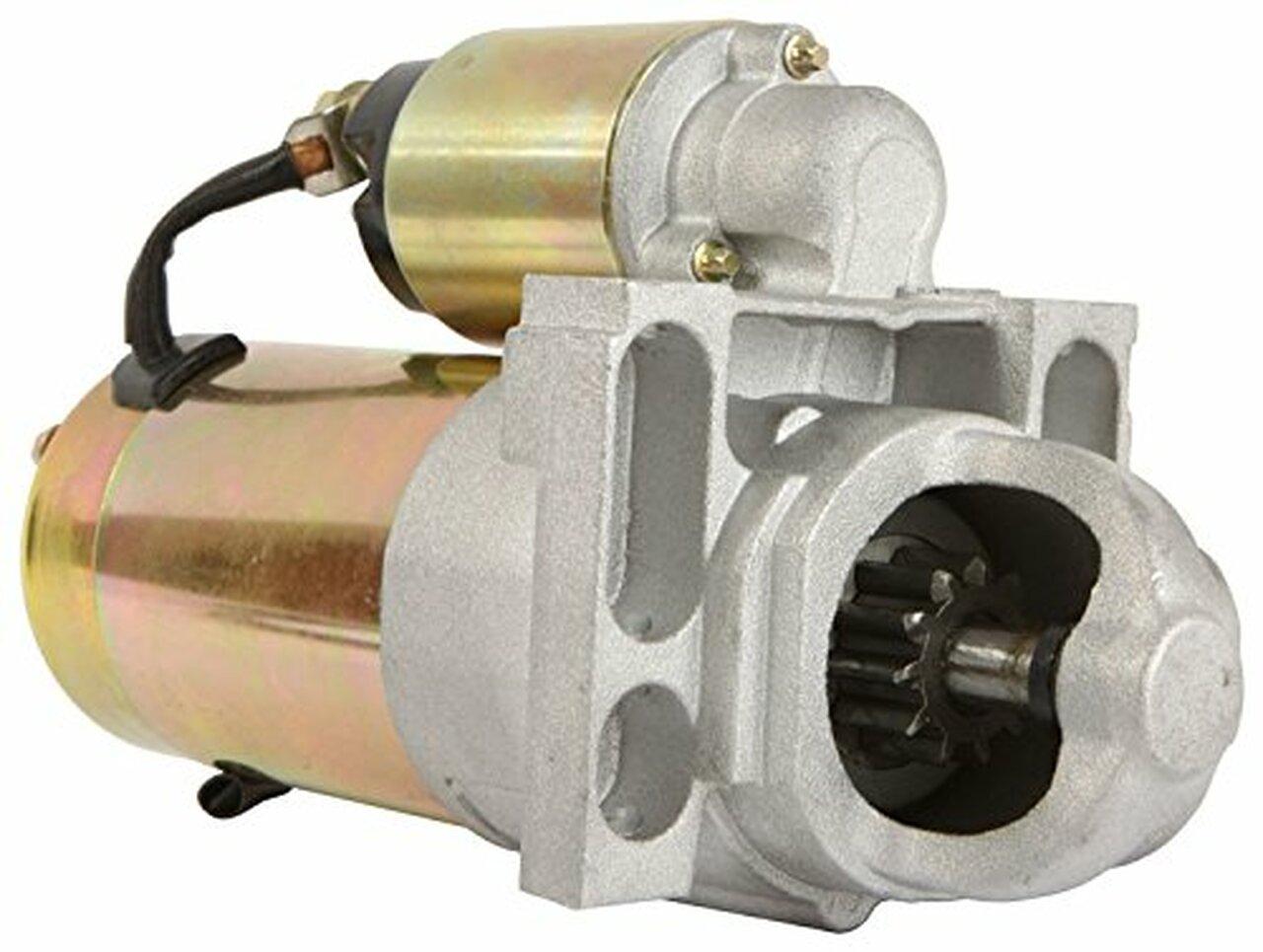
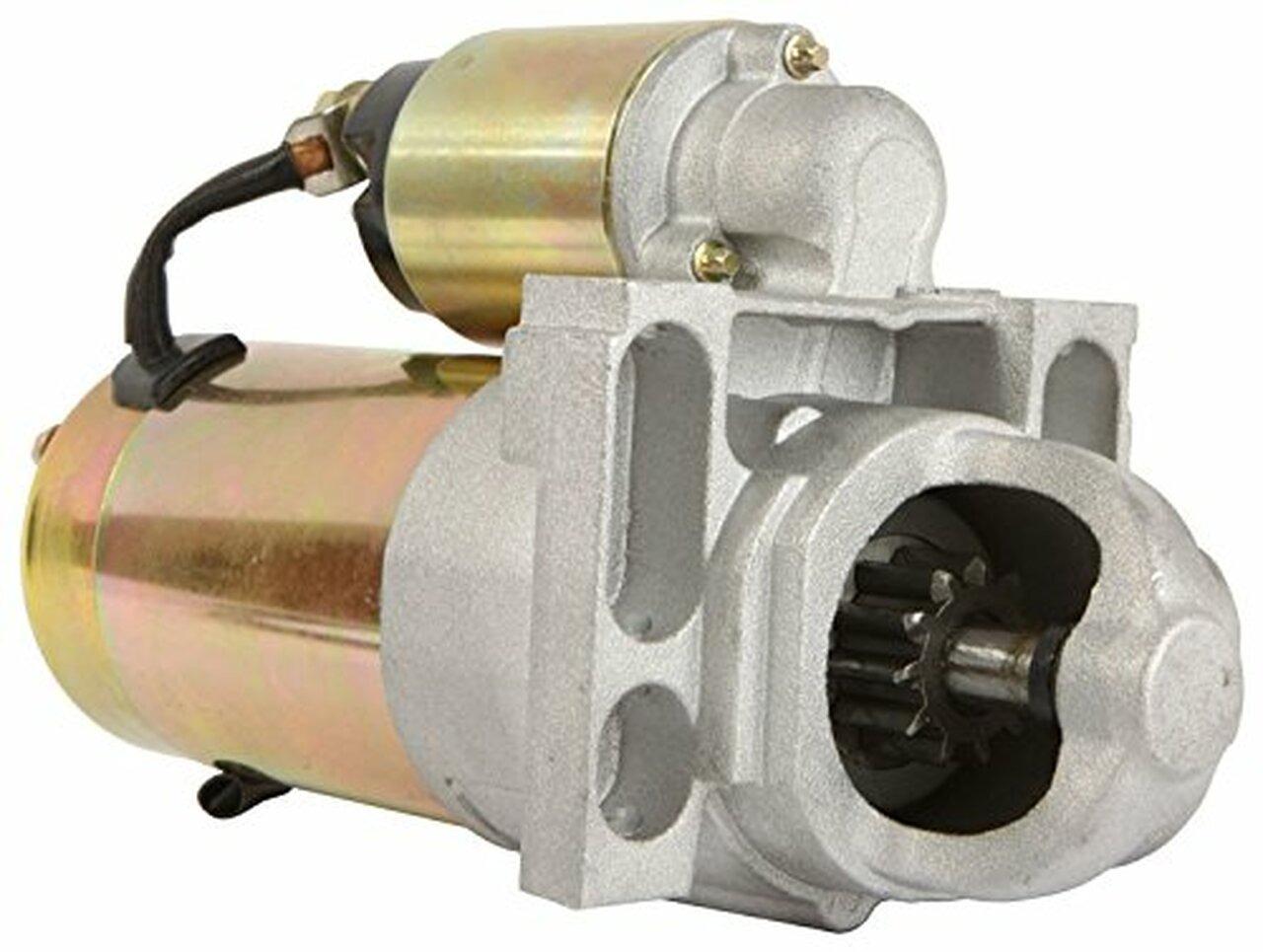
If your GMC vehicle is cranking slowly, clicking, or not starting at all, the problem often traces back to a worn starter motor. This guide covers the Denparts GMC Jimmy, Safari, Savana, Sonoma, Yukon and Others 1994–2002 Starter a brand-new aftermarket PMGR starter built to OEM specifications, with dozens of Delco, GM, Bosch, and other cross-reference numbers for easy fitment verification.
What Does This Starter Do?
The starter motor is what turns your engine over the moment you turn the key. It draws power from the battery and spins the crankshaft fast enough for the engine to fire and run on its own.
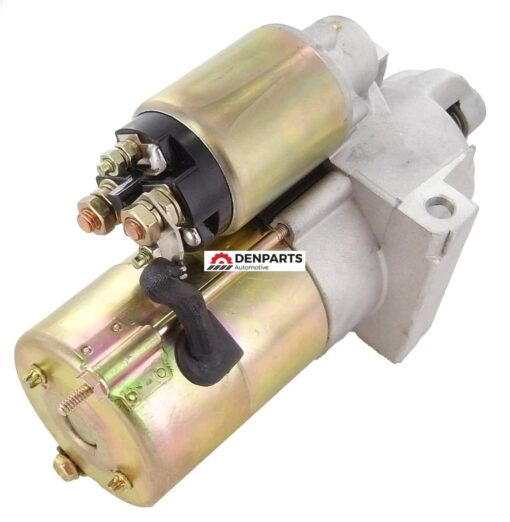
This particular unit is a PMGR (Permanent Magnet Gear Reduction) starter — a lighter, more compact design than older wound-field starters, known for reliable cranking power. It runs on a standard 12-volt system, spins clockwise, and uses an 11-tooth drive gear that engages the flywheel or flexplate.
If your starter is worn out, you'll typically notice one of these symptoms:
-
Clicking when you turn the key, but the engine doesn't crank
-
Slow or inconsistent cranking, even with a healthy battery
-
Grinding noise during startup — often a sign of drive gear wear
-
Intermittent starting — works sometimes, fails other times
Before replacing the starter, it's worth ruling out a weak battery, corroded terminals, or a bad ground connection first, since these can mimic starter failure.
Vehicle & Engine Applications
This starter fits a wide range of GMC models produced between 1994 and 2002. Fitment depends on the exact model, model year, and engine, so always match your vehicle against the list below before ordering.
GMC Jimmy — 1996–1998, 4.3L V6
GMC Safari — 1997–1998, 4.3L V6
GMC Sonoma — 1996–1998, 4.3L V6
GMC Savana:
-
1500/2500 — 5.0L V8 (1999–2002)
-
1500/2500/3500 — 5.7L V8 (1996–2002)
-
3500 — 7.4L V8 (1999–2000)
-
3500 — 8.1L V8 (2001–2002)
GMC Yukon — 1994–1999, 5.7L V8
GMC Yukon XL 2500 — 2001–2002, 8.1L V8
GMC C1500 — 1999, 5.0L V8
GMC C/K 1500/2500/3500 — 5.7L V8 (1994–2000, 1500 through 1999 only)
GMC C/K 2500/3500 — 7.4L V8 (1994–2000)
GMC C3500 — 8.1L V8 (2001–2002)
GMC G2500/G3500 — 5.7L V8 (1994–1996)
GMC G3500 — 7.4L V8 (1994–1996)
GMC P3500:
-
4.3L V6 (1996–1999)
-
5.7L/7.4L V8 (1994–1999)
GMC Suburban (C/K 1500/2500):
-
5.7L V8 (1994–1999)
-
2500 — 7.4L V8 (1994–1999)
Because so many engine and body combinations were offered across these years, cross-checking your vehicle's exact VIN, engine size, and model year against this list — or against the part numbers below — is the safest way to confirm fitment before buying.
OEM & Aftermarket Cross-Reference Numbers
If you already have your old starter's part number, matching it here is the quickest way to confirm compatibility:
AC Delco: 323-1459, 323-1471, 323-485, 336-1910
Bosch: SR8552N, SR8552X
Delco: 10465167, 10465554, 10465578, 19136219, 9000786, 9000860, 9000879, 9000899
General Motors: 12560019, 12563829, 12564108, 12570230, 12570823
Isuzu: 8104651670
Lucas: LRS01419, S2764
Nippondenso: 280-5101, 281-8000
Remy: 25485, 25906, 96206
This starter also cross-references to dozens of additional brands — including WAI, Rayloc, Romaine Electric, Beck Arnley, and Cargo, among others — so if your old unit carries a different brand's number, it's worth checking the full cross-reference list on the product page before assuming it won't fit.
Common Starter Failure Causes
-
Heat damage — repeated exposure to engine heat over years can degrade internal windings and insulation, eventually causing electrical failure
-
Corrosion — moisture and road salt (especially in Canadian winters) can corrode electrical connections, terminals, and internal components, leading to poor conductivity
-
Worn brushes — the carbon brushes that transfer electrical current inside the starter wear down over time with normal use, reducing cranking power until the starter fails to engage
-
Solenoid failure — the solenoid engages the drive gear with the flywheel; worn contacts inside it can cause clicking noises without the engine cranking
-
Worn drive gear/bendix — repeated engagement with the flywheel over years can wear down the teeth, causing grinding noises or failure to engage
-
Loose or corroded wiring connections — poor grounds or loose battery cables can starve the starter of power, mimicking internal failure
-
Age and mileage — like any mechanical part, starters have a service life; high-mileage vehicles or older models (like this 1994–2002 GMC lineup) are more likely to need replacement
-
Frequent short trips — repeated cold starts without letting the engine fully warm up put extra strain on the starter over time
Installation Tips
Replacing a starter is a manageable DIY job for most home mechanics. A few tips to make it go smoothly:
-
Disconnect the negative battery cable first — this prevents electrical shorts or the starter accidentally engaging while you're working.
-
Photograph the wiring before you disconnect anything. It's an easy reference when reconnecting the new unit.
-
Clean the mounting area — remove dirt, rust, or corrosion so the new starter seats and grounds properly.
-
Check the mounting holes — this unit uses two 10.0 mm ID unthreaded holes, offset from each other, so it should bolt straight into the factory location.
-
Reconnect wiring exactly as it was, making sure terminals are clean and tight before reconnecting the battery.
-
Test it — the engine should crank smoothly with no unusual clicking, grinding, or hesitation.
Maintenance Tips
A starter itself doesn't need regular servicing, but keeping the surrounding electrical system healthy will extend its life:
-
Keep battery terminals clean and corrosion-free
-
Inspect battery cables periodically for looseness or damage
-
Make sure your battery holds a proper charge — a weak battery puts extra strain on the starter and can cause slow cranking even with a brand-new unit.
Buying Checklist
Before you order, confirm:
-
Exact vehicle year, model, and engine size
-
Old starter's mounting style and connector type match the replacement
-
Part number match using the cross-reference table above
-
Voltage, rotation direction, and tooth count are correct for your application
-
You're buying a brand-new unit, not rebuilt or refurbished, for better long-term reliability
Why Buy From Denparts
Denparts.ca is a Canadian supplier specializing in starters, alternators, and electrical parts for cars, trucks, powersports, and heavy equipment. Every part is brand-new (not rebuilt), listed with detailed vehicle fitment and cross-reference numbers so you can confirm compatibility before ordering, making it a reliable, straightforward source for hard-to-find parts on older vehicles like this GMC lineup.
Conclusion
Whether you drive a GMC Jimmy, Safari, Savana, Sonoma, Yukon, C/K truck, Suburban, P3500, or one of the other covered GM models, this Denparts starter is a direct-fit, brand-new PMGR replacement backed by a wide range of OEM and aftermarket cross-references. If you're seeing clicking, slow cranking, or a no-start condition, check your battery and connections first then use the application list and part numbers above to confirm this is the right fit before ordering

 English
 Arabic
 French
 Spanish
 Portuguese
 Deutsch
 Turkish
 Dutch
Dutch
 Italiano
 Russian
 Romaian
 Portuguese (Brazil)
