


Emergency Dental Care in Charlotte, NC: When to Seek Immediate Help
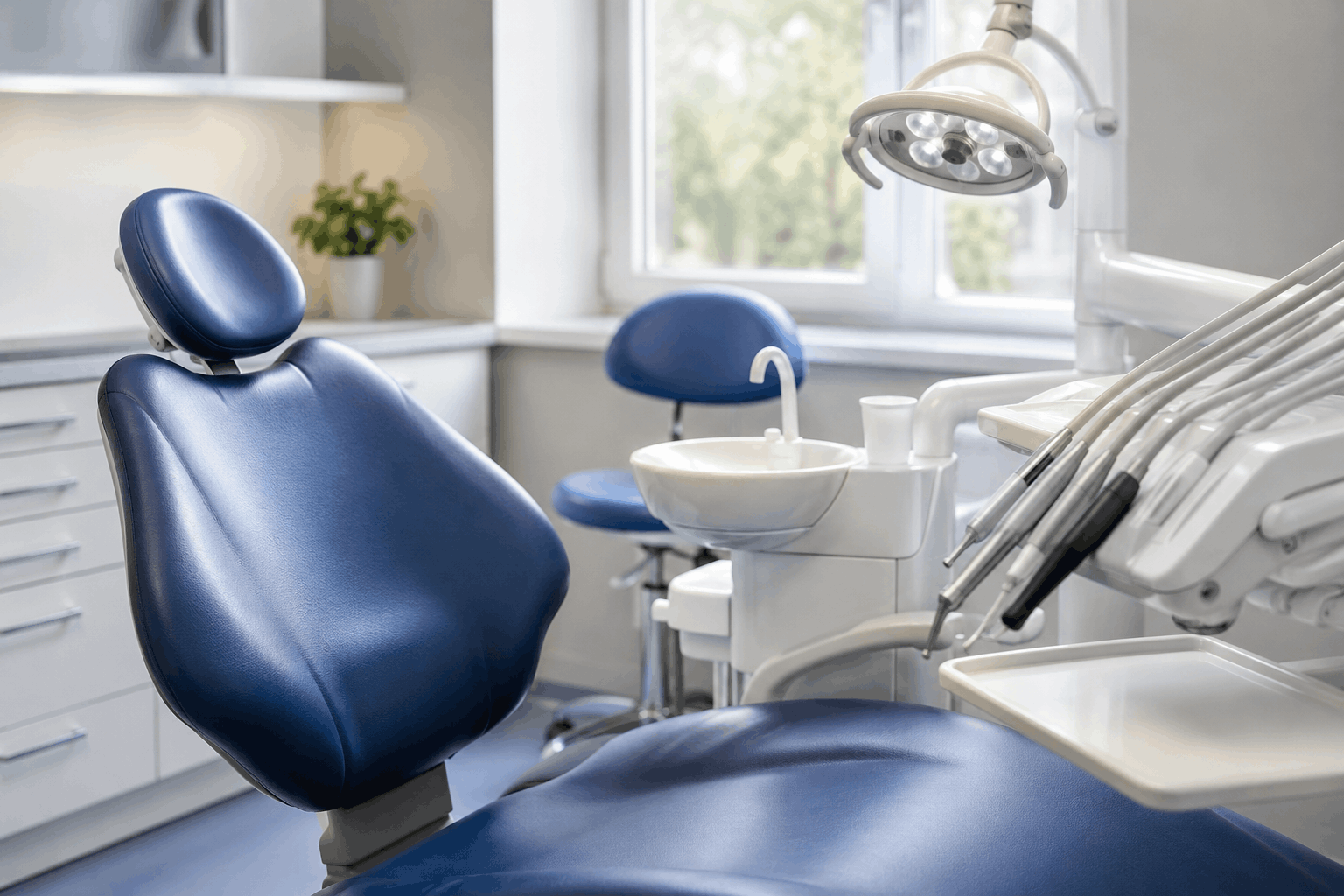
An Emergency Dentist in Charlotte can provide prompt care when severe tooth pain, swelling, bleeding, a broken tooth, or a dental injury cannot reasonably wait for a routine appointment. For Charlotte residents, recognizing the difference between a minor dental concern and a true dental emergency can help prevent complications and protect long-term oral health. Immediate professional evaluation is especially important when symptoms are intense, worsening, or accompanied by signs of infection.
Dental emergencies can happen unexpectedly at home, at work, during sports, or while traveling around the Charlotte area. Knowing what symptoms require urgent attention—and what to do before reaching a dental office—can make a stressful situation easier to manage.
What Is Considered a Dental Emergency?
A dental emergency is generally a problem involving significant pain, trauma, bleeding, swelling, or possible infection that requires prompt professional assessment. Common examples include severe toothache, a knocked-out tooth, a badly cracked or fractured tooth, dental abscesses, uncontrolled oral bleeding, and swelling around the jaw or face.
A toothache that suddenly becomes severe should not automatically be dismissed as temporary sensitivity. Decay can progress toward the inner part of a tooth, where nerves and blood vessels are located. If bacteria reach this area, infection can develop and may eventually form an abscess.
The Centers for Disease Control and Prevention reports that approximately 21% of U.S. adults ages 20–64 have at least one untreated cavity. The CDC also notes that untreated cavities can cause pain and infection and may eventually contribute to tooth loss.
Severe Tooth Pain: When Should You Act?
Not every toothache requires emergency treatment, but intense or persistent pain deserves attention. Seek prompt dental evaluation when pain interferes with eating, sleeping, speaking, or normal daily activities.
Pain combined with facial swelling, fever, a bad taste in the mouth, pus, or difficulty swallowing can be particularly concerning because these symptoms may indicate an infection. Dental infections should not be ignored simply because the pain temporarily improves.
For Charlotte patients, getting an urgent examination can help identify whether the underlying problem involves decay, a damaged filling, a fractured tooth, gum infection, or another condition. Treatment depends on the cause and may include restorative care, infection management, root canal treatment, or extraction when a tooth cannot be saved.
What to Do After a Broken or Knocked-Out Tooth
Dental trauma requires quick, careful action. If a permanent tooth is knocked out, handle it by the crown rather than the root and avoid aggressively scrubbing it. If possible, keeping the tooth moist while seeking professional care is important.
A fractured tooth should also be evaluated promptly, particularly when the break exposes the inner portion of the tooth or causes substantial pain. Avoid chewing on the affected side and do not attempt to repair the tooth yourself.
Charlotte's active communities, recreational activities, sports programs, and everyday accidents can all create opportunities for dental injuries. Prompt evaluation can determine the extent of damage and whether the tooth can be preserved.
Dental Emergencies Caused by Infection
A dental infection can begin with something that seems relatively small, such as untreated decay or a damaged tooth. As bacteria move deeper into the tooth, infection can develop around the root and surrounding tissues.
The CDC warns that untreated cavities can progress to an abscess, which is a serious infection that can spread beyond the tooth. In rare circumstances, a severe dental infection can have life-threatening consequences.
Warning signs can include facial or jaw swelling, fever, worsening pain, sensitivity to pressure, difficulty opening the mouth, or an unpleasant taste caused by drainage. Severe swelling that affects breathing or swallowing is a medical emergency and requires immediate emergency medical attention.
Why Prompt Treatment Matters in Charlotte
Delaying care may allow a dental problem to become more complicated. A small cavity can progress, a cracked tooth can fracture further, and an infection can spread into surrounding tissues.
The broader impact of oral disease is significant. CDC data indicate that more than 40% of adults report having experienced mouth pain during the previous year, while more than 80% of people are expected to have had at least one cavity by age 34.
These figures demonstrate why recognizing warning signs and maintaining access to timely dental care matter for communities such as Charlotte and surrounding Mecklenburg County.
How to Prepare for an Urgent Dental Visit
Before visiting an urgent dental provider, gather useful information about when the symptoms started, what caused the injury if trauma was involved, and whether you have experienced swelling, fever, bleeding, or sensitivity.
Until professional care is available, avoid placing aspirin directly against the gums or attempting to pull, straighten, or repair a damaged tooth yourself. A cold compress applied externally may help with swelling after an injury. Follow professional instructions regarding pain relief and other temporary measures.
Keeping regular dental examinations is equally important. Preventive care can identify developing problems before they become painful emergencies.
A Practical Approach to Dental Emergencies
The safest approach is to consider the severity, speed of progression, and accompanying symptoms. Severe pain, significant swelling, uncontrolled bleeding, major trauma, or signs of infection should receive prompt attention.
For less severe problems, scheduling a routine dental examination may still be appropriate. However, if symptoms change rapidly or become substantially worse, reassessment should not be postponed.
As the CDC emphasizes, oral health is an important part of overall health and well-being, and untreated oral disease can affect everyday activities such as eating and speaking.
Final Thoughts
Knowing when to seek urgent dental care can help Charlotte residents respond confidently when unexpected oral health problems occur. Whether the issue involves severe tooth pain, trauma, swelling, bleeding, or a suspected infection, early professional evaluation can help identify the cause and determine the appropriate treatment.
For people seeking prompt dental assistance in Charlotte, Emergency Dentist Charlotte is located at 1824 East Arbors Drive, Charlotte, NC. When a dental problem cannot wait for a routine appointment, contacting a professional provider for guidance is an important step toward protecting your oral health and getting back to everyday life.

 English
 Arabic
 French
 Spanish
 Portuguese
 Deutsch
 Turkish
 Dutch
Dutch
 Italiano
 Russian
 Romaian
 Portuguese (Brazil)
