


How Plantar Fasciitis Massage Supports Foot Flexibility and Everyday Comfort
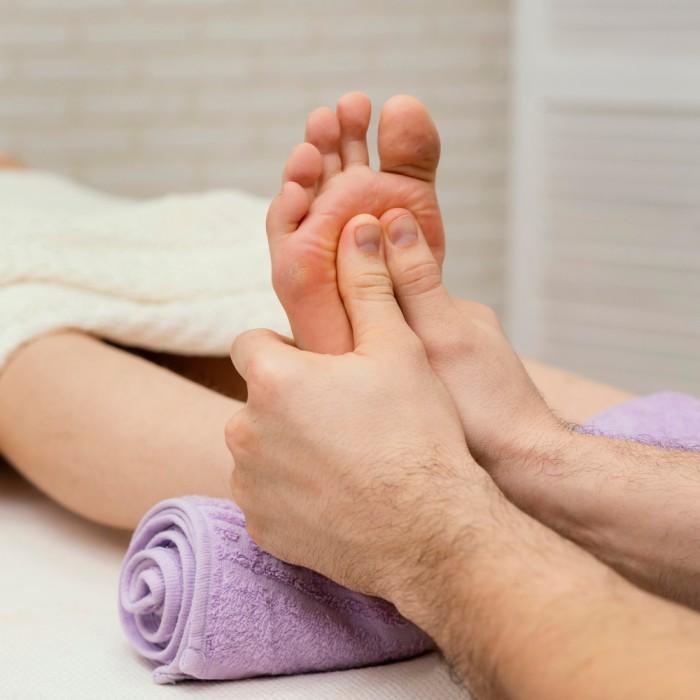
Foot comfort plays an important role in everyday life. Walking, standing, exercising, working, and completing household activities all depend on healthy and flexible feet. When heel or arch discomfort develops, ordinary movements can become difficult. Plantar fasciitis is a common cause of heel pain, often affecting the bottom of the foot and making movement uncomfortable.
Plantar fasciitis massage can be a useful addition to a comprehensive foot-care routine. Gentle massage may help relax tight muscles, reduce feelings of tension, support flexibility, and promote more comfortable movement. While massage does not necessarily address every underlying cause of plantar fasciitis, it can complement other strategies such as stretching, strengthening, supportive footwear, and activity management.
Understanding Plantar Fasciitis
The plantar fascia is a strong band of connective tissue that extends along the bottom of the foot from the heel toward the toes. It helps support the arch and plays a role in absorbing and distributing forces during walking and other weight-bearing activities.
When the plantar fascia is exposed to repeated stress or strain, irritation and discomfort can develop. Pain is commonly felt around the heel or arch and may be more noticeable after periods of rest.
Some people experience discomfort during their first steps in the morning. Others notice symptoms after prolonged standing, walking, running, or exercising. The severity and pattern of symptoms can vary from person to person.
Because several conditions can cause heel pain, persistent or severe symptoms should be assessed appropriately rather than automatically attributed to plantar fasciitis.
How Plantar Fasciitis Massage Supports Flexibility
Plantar fasciitis massage involves gently working the soft tissues around the foot, arch, heel, and sometimes the lower leg. Its primary goal is to promote relaxation and reduce feelings of tightness.
Helps Relax Tight Foot Muscles
Muscle tension can make the feet feel stiff and restricted. Gentle massage may help relax tight muscles and soft tissues, creating a greater sense of comfort.
Relaxed muscles can make routine stretching and mobility exercises easier to perform. Massage may therefore serve as a preparation or recovery technique within a broader foot-care routine.
May Improve the Feeling of Mobility
When the foot feels tight, moving through normal walking patterns can be uncomfortable. Gentle massage may help reduce the sensation of stiffness and allow the foot to feel more relaxed.
This does not mean massage permanently changes foot structure. Instead, its potential benefit comes from temporarily reducing soft-tissue tension and promoting relaxation.
Supports Comfortable Stretching
Stretching is often included in conservative approaches to managing plantar fasciitis. However, tight tissues may make stretching uncomfortable.
A gentle massage session may help some people feel more relaxed before performing appropriate stretches. Combining these techniques can support a more consistent approach to maintaining foot and calf flexibility.
Benefits of Plantar Fasciitis Massage for Everyday Comfort
Foot massage is not only about reducing discomfort. It may also help people feel more comfortable during daily activities.
Walking
Walking places repetitive pressure on the feet. When the plantar fascia or surrounding muscles are irritated, each step can feel uncomfortable.
Gentle massage may help reduce feelings of tension and stiffness, potentially making walking more comfortable when combined with other appropriate care strategies.
Standing
People who spend long periods standing may experience increased foot fatigue and tightness. A simple massage routine can provide a relaxing way to care for the feet after extended periods of standing.
Massage may be especially useful as part of an evening recovery routine.
Exercise
Physical activity can place additional demands on the feet. Individuals who regularly walk, run, or participate in sports may experience muscle tightness after exercise.
Gentle plantar fasciitis massage may support relaxation after activity. However, painful symptoms should not simply be massaged away while continuing an activity that is aggravating the foot.
Everyday Household Activities
Cooking, cleaning, shopping, and other routine activities often require prolonged standing and walking. Persistent heel pain can make these simple tasks frustrating.
Maintaining a healthy foot-care routine may help support greater comfort during everyday movement.
Effective Massage Techniques
Massage techniques should be gentle, controlled, and comfortable. There is no need to use excessive pressure to achieve potential benefits.
Thumb Massage
Using the thumb, gently massage along the arch of the foot with slow movements. Start with light pressure and gradually adjust based on comfort.
Avoid aggressively pressing directly into an area that is highly painful or sensitive.
Finger Massage
The fingers can be used to gently massage the sole and sides of the foot. Small circular movements may help address areas of muscle tension.
This technique can be performed while seated and may only require a few minutes.
Massage Ball Rolling
A small massage ball can be placed beneath the foot and rolled slowly while seated. This allows pressure to be adjusted easily.
Start with minimal pressure and a short duration. If the technique increases pain during or after use, stop and consider professional guidance.
Calf Massage
The calf muscles are closely connected to ankle and foot movement. Gentle calf massage may help reduce lower-leg muscle tension and complement foot massage.
Including the calf can provide a broader approach to addressing tightness affecting the lower extremity.
The Importance of Calf Flexibility
Foot flexibility cannot always be considered separately from lower-leg mobility. Tight calf muscles may affect ankle movement and influence how the foot moves during walking.
For this reason, maintaining appropriate calf flexibility can be an important part of foot care. Gentle stretching and massage may help people manage feelings of lower-leg tightness.
However, exercises should be performed within comfortable limits. Stretching or massage that causes sharp pain should be stopped rather than forced.
Combining Massage With Stretching
Massage can be combined with appropriate stretching to create a more complete routine. Gentle calf stretches, foot stretches, and ankle mobility exercises may help maintain flexibility.
Some people prefer massage before stretching because it helps the muscles feel relaxed. Others may find it more comfortable after stretching or exercise.
The best routine is one that can be performed consistently without aggravating symptoms.
Choosing Supportive Footwear
Footwear has an important influence on daily foot comfort. Shoes that fit correctly and provide suitable support and cushioning may help reduce unnecessary stress during walking and standing.
Worn-out footwear may no longer provide adequate support. Shoes that are uncomfortable or poorly suited to a particular activity can also contribute to foot strain.
People who spend significant time walking or standing should consider comfort and support when selecting everyday shoes. Good footwear can complement plantar fasciitis massage and other supportive strategies.
Managing Physical Activity
Increasing exercise intensity or walking distance too quickly can place additional stress on the feet. Gradual changes in activity levels may give the body more time to adapt.
If a particular activity consistently increases heel pain, temporarily reducing its intensity or choosing a lower-impact alternative may be appropriate.
Maintaining suitable movement can still be valuable. The goal is to balance activity with adequate recovery rather than avoiding all physical activity.
Creating a Daily Massage Routine
A consistent routine can be easier to maintain when it is simple. A few minutes of gentle foot massage may be enough for relaxation and mobility support.
For example, massage can be incorporated after a long day of standing or before gentle stretching. Some people may prefer a morning routine if their feet feel particularly stiff after waking.
There is no universally appropriate duration or frequency. Individual response should guide the routine.
If symptoms become worse after massage, the technique, pressure, or frequency should be reconsidered.
Mistakes to Avoid
Massage should be performed carefully, particularly when the feet are already painful.
One common mistake is applying excessive pressure in an attempt to achieve faster results. More pressure does not necessarily provide greater benefits and may irritate sensitive tissues.
Another mistake is relying entirely on massage while ignoring footwear, activity habits, flexibility, and strength.
It is also important not to continue a massage technique that repeatedly increases pain, swelling, tenderness, numbness, or other unusual symptoms.
When Professional Evaluation May Be Necessary
Although mild foot discomfort may improve with conservative care, persistent heel pain deserves appropriate attention.
Professional evaluation may be useful when symptoms continue despite self-care, become increasingly painful, or interfere with normal walking and daily activities.
Other warning signs, such as significant swelling, weakness, numbness, or sudden severe pain, may also require prompt assessment.
A qualified healthcare professional can evaluate the symptoms and determine whether plantar fasciitis is actually responsible or whether another condition may be involved.
Supporting Long-Term Foot Health
Healthy feet benefit from consistent care. Along with plantar fasciitis massage, individuals can consider appropriate stretching, strengthening exercises, comfortable footwear, gradual activity progression, and adequate recovery.
Maintaining flexibility and strength may support better movement patterns and everyday comfort.
It is also helpful to pay attention to changes in symptoms. If pain begins to increase after a change in exercise, footwear, or daily activity, identifying the possible trigger can help guide future decisions.
Can Massage Prevent Recurring Plantar Fasciitis?
Massage may support relaxation and flexibility, but it cannot guarantee that plantar fasciitis will not return.
Recurrence can be influenced by several factors, including activity levels, footwear, foot mechanics, muscle flexibility, strength, and recovery habits.
A balanced approach to foot health may reduce unnecessary stress and support comfortable movement. Individuals with recurring symptoms may benefit from professional guidance to identify contributing factors and develop an appropriate management plan.
Conclusion
Plantar fasciitis can interfere with walking, standing, exercise, and many everyday activities. Supporting foot flexibility and reducing unnecessary tension can be valuable parts of maintaining comfortable movement.
Plantar fasciitis massage may help relax tight soft tissues, reduce feelings of stiffness, support flexibility, and promote relaxation. When combined with appropriate stretching, strengthening, supportive footwear, activity management, and sufficient recovery, massage can become a useful part of a comprehensive foot-care routine.
Gentle techniques are generally preferable to aggressive pressure, particularly when the foot is sensitive. If heel pain persists, worsens, or significantly affects daily activities, professional evaluation can help identify the underlying cause and determine suitable care.
With consistent attention to flexibility, movement, footwear, and recovery, individuals can support healthier feet and greater comfort during everyday activities.

 English
 Arabic
 Spanish
 Portuguese
 Deutsch
 Turkish
 Dutch
Dutch
 Italiano
 Russian
 Romaian
 Portuguese (Brazil)
 Greek
Greek
