


How to Choose the Right Center Diamond for a Halo Engagement Ring
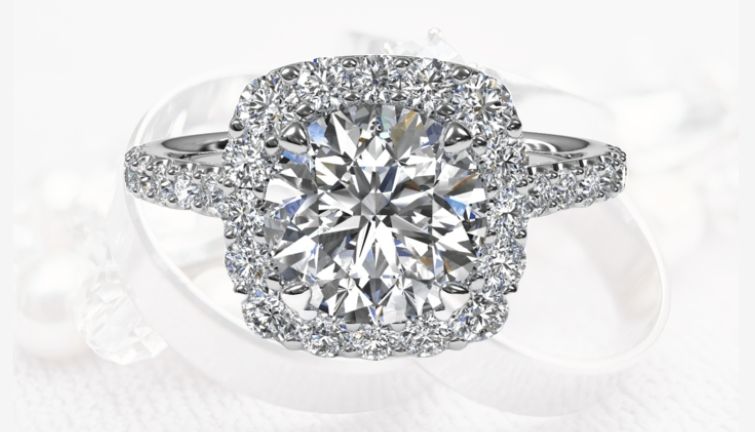
A halo engagement ring is designed to make the center diamond the focal point while surrounding it with a circle or frame of smaller diamonds. The halo can add sparkle and create the appearance of a larger overall ring, but choosing the right center diamond remains one of the most important decisions.
The center stone influences the ring's appearance, proportions, brilliance, and overall style. From diamond shape and carat weight to cut, color, clarity, and setting compatibility, several factors should be considered before making a purchase.
What Is a Halo Engagement Ring?
A halo engagement ring features a center diamond surrounded by smaller accent diamonds. These smaller stones create a frame around the center stone and can enhance its visual presence.
Halo designs are available in many styles, including:
- Single halo
- Double halo
- Hidden halo
- Pavé halo
- Vintage-inspired halo
- Colored gemstone halo
- Diamond halo with side stones
Because the halo surrounds the center stone, choosing a diamond with the right proportions is essential.
1. Start With the Diamond Shape
The shape of the center diamond should be one of your first considerations.
Different shapes create very different appearances when combined with a halo setting.
Round Diamonds
Round diamonds are one of the most versatile choices for halo engagement rings. Their symmetrical shape works naturally with circular halo designs and can provide exceptional brilliance when well cut.
Oval Diamonds
Oval diamonds create an elongated appearance and can make the finger appear longer. An oval center stone surrounded by a halo can create an elegant and sophisticated design.
Emerald Cut Diamonds
Emerald cut diamonds have a rectangular outline and step-cut facets. Their hall-of-mirrors appearance creates a more refined and understated look compared with brilliant-cut shapes.
A rectangular halo can complement the proportions of an emerald cut diamond particularly well.
Cushion Cut Diamonds
Cushion cut diamonds have softly rounded corners and can create a romantic, classic appearance. They pair naturally with both traditional and modern halo settings.
Pear-Shaped Diamonds
Pear-shaped diamonds have a distinctive teardrop outline. A halo can emphasize the unique silhouette while adding additional sparkle around the center stone.
Marquise Diamonds
Marquise diamonds have a long, narrow shape with pointed ends. They can create an elegant and distinctive appearance when paired with a carefully proportioned halo.
2. Prioritize Diamond Cut
For many buyers, cut should receive significant attention when choosing a center diamond.
Cut affects how the diamond interacts with light and contributes to its brightness, fire, and overall visual appeal.
A well-cut center diamond can stand out beautifully against the surrounding halo diamonds.
Remember that cut and shape are not the same thing. Shape describes the diamond's outline, while cut relates to its proportions, symmetry, polish, and light performance.
3. Choose an Appropriate Carat Weight
The center diamond should be proportionate to the halo.
A larger center diamond can create a bold statement, while a smaller center stone can produce a delicate and understated appearance.
There is no universally correct carat weight for a halo engagement ring. The ideal size depends on:
- Personal preference
- Finger size
- Ring design
- Halo size
- Budget
- Diamond shape
- Desired overall appearance
The halo can provide additional visual coverage, so you do not necessarily need an extremely large center stone to create a substantial-looking ring.
4. Consider the Halo-to-Center Ratio
Proportion is especially important in a halo engagement ring.
The surrounding diamonds should complement the center stone rather than overwhelm it. A halo that is too large can make the center diamond appear smaller, while a very narrow halo may not provide the visual effect you want.
When comparing rings, look at the relationship between:
- Center stone size
- Halo width
- Accent diamond size
- Band width
- Overall ring proportions
The goal is to create a balanced design.
5. Think About Diamond Color
The center diamond's color should work well with the surrounding halo diamonds and the ring metal.
If the center diamond has noticeably more warmth than the halo stones, the difference may be visible depending on the setting and lighting.
The best color grade is not necessarily the highest available. A diamond's apparent color can be influenced by its shape, size, setting, and surrounding stones.
For some halo designs, buyers may prefer a center stone that closely matches the color appearance of the accent diamonds.
6. Choose Clarity Based on Appearance
Clarity refers to internal characteristics and surface features in a diamond.
For a center stone, the goal is generally to choose a diamond that appears clean to the unaided eye while fitting your budget.
You may not need the highest clarity grade if inclusions are not visible without magnification.
However, certain diamond shapes can make inclusions easier to see than others, so clarity should be evaluated according to the individual diamond rather than simply choosing a particular grade.
7. Consider Lab-Grown or Natural Diamonds
The center diamond can be either natural or lab-grown.
Natural diamonds form naturally underground over geological periods. Lab-grown diamonds are created using controlled technological processes and have essentially the same chemical composition and crystal structure as natural diamonds.
Your choice may depend on your budget, personal preferences, and priorities regarding diamond origin.
Whichever option you choose, evaluate the individual stone's cut, color, clarity, carat weight, proportions, and certification.
8. Match the Center Diamond to the Halo Shape
The halo should complement the outline of the center diamond.
For example:
- Round center diamonds pair naturally with round halos.
- Oval diamonds can work well with elongated oval halos.
- Emerald cuts can be complemented by rectangular halos.
- Cushion cuts can work with soft-cornered halos.
- Pear-shaped diamonds can use halos that follow the teardrop outline.
- Marquise diamonds can be surrounded by elongated halos.
A well-designed halo follows the center stone's proportions rather than competing with its shape.
9. Consider the Ring Metal
The metal can influence how the center diamond and halo appear.
White Gold
White gold provides a bright, contemporary appearance and can create a seamless look between the diamond and the setting.
Yellow Gold
Yellow gold creates warm contrast and can give the ring a classic appearance.
Rose Gold
Rose gold provides a soft, romantic tone and can create a distinctive contrast with the diamonds.
Platinum
Platinum is known for its durability and naturally white appearance, making it a popular option for fine jewelry.
Consider the recipient's existing jewelry when choosing the metal.
10. Think About the Wearer's Lifestyle
A beautiful center diamond is only part of choosing the right engagement ring. The setting should also suit the wearer's daily activities.
If the ring will be worn every day, consider:
- Security of the center stone
- Prong design
- Halo construction
- Band durability
- Ring profile
- Ease of cleaning
A lower-profile or securely designed setting may be preferable for someone with an active lifestyle.
11. Look at the Diamond in Different Lighting
A diamond can look different depending on the lighting environment.
When possible, examine the center stone under several types of lighting rather than making a decision based on a single display case.
Look for:
- Overall brightness
- Sparkle
- Contrast
- Symmetry
- Visible inclusions
- Face-up appearance
Comparing multiple diamonds side by side can also help you understand differences that may not be obvious from grading information alone.
12. Review the Diamond's Certification
A reputable diamond grading report can provide valuable information about the center stone.
The report may document characteristics such as:
- Carat weight
- Color
- Clarity
- Cut
- Measurements
- Proportions
- Symmetry
- Polish
Review the report carefully and compare it with the actual diamond before purchasing.
13. Set a Budget Before Shopping
A clear budget can make the selection process easier.
Instead of focusing exclusively on carat weight, determine which characteristics matter most to you.
For example, you might prioritize:
- Excellent cut and visual performance
- Preferred diamond shape
- Eye-clean appearance
- Appropriate carat weight
- Colour appearance
- Ring setting and craftsmanship
A knowledgeable jeweler can help you balance these factors to find a center diamond that meets your priorities.
Common Mistakes to Avoid
When selecting a center diamond for a halo engagement ring, avoid making your decision based on a single specification.
Common mistakes include:
- Choosing carat weight without considering cut
- Ignoring the proportions of the halo
- Selecting a diamond without viewing it carefully
- Focusing only on the highest clarity grade
- Failing to compare different shapes
- Overlooking the ring's overall proportions
- Not checking certification
- Choosing a setting that doesn't suit the wearer's lifestyle
- Buying without understanding warranty and service options
Final Thoughts
Choosing the right center diamond for a halo engagement ring requires attention to more than carat weight. Shape, cut, proportions, color, clarity, setting, metal, and lifestyle all play a role in creating a balanced and beautiful ring.
Start by choosing a diamond shape that suits the wearer's style, then evaluate cut and overall visual appearance. From there, consider carat weight, color, clarity, certification, and how the center stone interacts with the halo.
By comparing different diamonds and working with a knowledgeable jeweler, you can find a center stone that complements the halo design and creates an engagement ring that is both beautiful and meaningful.

 English
 Arabic
 French
 Spanish
 Portuguese
 Deutsch
 Turkish
 Dutch
Dutch
 Italiano
 Russian
 Romaian
 Portuguese (Brazil)
