


Top 11-Day Remote Tanzania Safari: Best Katavi, Ruaha & Nyerere Wilderness Adventure
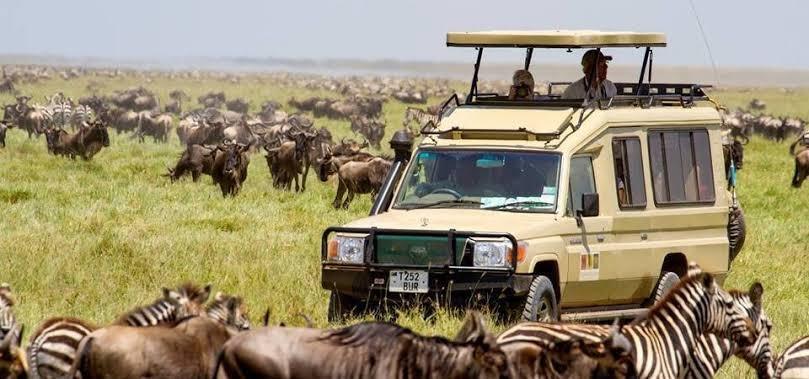
Tanzania is famous for spectacular wildlife, but travellers looking for a quieter and more adventurous experience should explore the country's remote western and southern regions. Katavi, Ruaha and Nyerere National Parks offer huge landscapes, rich wildlife and a genuine feeling of being far from busy tourist routes.
The 11 Days Remote Tanzania Safari | Katavi, Ruaha & Nyerere is designed for adventurous travellers who want to discover these remarkable wilderness areas at a relaxed pace. From the remote plains of Katavi to the dramatic landscapes of Ruaha and the waterways of Nyerere, every destination brings a different experience.
This journey is about much more than ticking animals off a list. It is about watching elephants gather around water, following wildlife tracks, enjoying peaceful evenings at remote camps and waking up to the sounds of nature. With careful planning from Hola Africa, travellers can enjoy an exciting adventure while still having comfortable accommodation and reliable support.
Why Choose a Remote Tanzania Safari?
A remote safari is ideal for travellers who want space, privacy and a stronger connection with nature. Popular parks can become busy during peak seasons, but Katavi and Ruaha are known for their vast areas and quieter atmosphere.
The southern and western parts of Tanzania also offer impressive geographical diversity. Katavi features open plains and seasonal wetlands, Ruaha combines rocky landscapes with baobab trees and river valleys, while Nyerere is famous for its waterways and diverse habitats.
This variety makes the itinerary attractive to photographers, couples, wildlife enthusiasts and experienced travellers who want to explore a less-travelled side of Tanzania.
Day 1: Arrival in Tanzania
Your adventure begins with arrival in Tanzania. Depending on your international flight schedule, you may spend the first night in Dar es Salaam or another convenient arrival location.
Take the evening to rest, meet your safari team and prepare for the days ahead. Your guide can explain the route, expected activities, accommodation and practical details.
A relaxed first night is useful because the following days will focus on remote landscapes and exciting wildlife experiences.
Day 2: Travel to Katavi National Park
Today begins the journey towards Katavi National Park. Because Katavi is one of Tanzania's most remote safari destinations, reaching it is part of the adventure.
A flight is often the most practical option for travellers who want to maximise time in the wilderness. As you approach the park, the landscape changes dramatically, with large open areas, woodland and seasonal water sources.
After arriving, transfer to your camp and enjoy your first game drive if time allows. Even the first few hours can produce memorable sightings of elephants, buffaloes, giraffes, zebras and other wildlife.
Day 3: Full-Day Katavi Wilderness Adventure
Spend a full day exploring Katavi National Park. The park is especially appealing because of its remote character and impressive concentrations of wildlife during the dry season.
The Katuma River and nearby water areas can attract large numbers of animals. Hippos, crocodiles, elephants and buffaloes may gather around remaining water sources, creating excellent opportunities for observation and photography.
Your guide will search for predators as well as herbivores. Lions may be seen resting in open areas, while smaller animals and birds add further interest to the drive.
The sheer size of Katavi means that game drives can feel like true expeditions rather than ordinary sightseeing trips.
Day 4: Katavi Wildlife and Nature Exploration
Continue exploring Katavi with another full day of wildlife viewing. Early morning is usually a rewarding time to be out because animals are often more active before temperatures rise.
Your guide can take you through different habitats, allowing you to see how wildlife changes across grasslands, woodland and wetlands.
Katavi is also an excellent destination for birdwatchers. From large water birds to colourful smaller species, the park supports a wide variety of birdlife.
Spend the evening at your remote camp, enjoying dinner and the sounds of the wilderness. With limited development around the park, the night can feel wonderfully peaceful.
Day 5: Katavi to Ruaha National Park
Today you leave Katavi and continue towards Ruaha National Park. A scheduled or charter flight can make this transfer more efficient and allow you to spend more time enjoying the parks.
Ruaha is one of Tanzania's most impressive wilderness destinations. It is known for large elephant populations, dramatic scenery, ancient baobabs and the Great Ruaha River.
After arriving, settle into your accommodation. If time permits, enjoy a short afternoon game drive and begin discovering the new environment.
The contrast between Katavi and Ruaha is one of the strengths of this itinerary. Although both destinations feel remote, their landscapes and wildlife experiences are distinct.
Day 6: Full-Day Ruaha Safari
Today is dedicated to exploring Ruaha. The park is famous for its diverse wildlife and beautiful landscapes.
Look for elephants moving through woodland, giraffes feeding among trees, buffalo herds crossing open areas and antelope species moving across the plains. Lions and leopards can also be encountered with patience and good guiding.
The Great Ruaha River is particularly important to the ecosystem. During dry periods, wildlife activity around water can be impressive.
Your guide will adapt the route according to weather, season and recent animal movements. This flexibility helps maximise the opportunities for meaningful wildlife encounters.
Day 7: Ruaha Walking and Wildlife Experience
A walking safari can provide a completely different way to experience Ruaha. Instead of travelling through the landscape by vehicle, you can focus on smaller details such as animal tracks, plants, insects and bird calls.
Walking should always take place with an appropriately trained and authorised guide, who will explain how to move safely through the environment.
The experience is less about finding the largest animals and more about understanding the ecosystem. You may discover signs that would be easy to miss from a vehicle.
After your walk, enjoy a relaxed afternoon at camp or take another game drive before dinner.
Day 8: Ruaha to Nyerere National Park
Continue your adventure towards Nyerere National Park. Depending on the chosen travel arrangements, this transfer may involve a flight, making it easier to connect two remote safari regions.
Nyerere is famous for its waterways, forests, grasslands and diverse wildlife. The park's rivers create opportunities for experiences that are different from those in Katavi and Ruaha.
After arrival, settle into your accommodation and enjoy the surroundings. If the schedule allows, an afternoon game drive can provide your first introduction to the park.
Day 9: Nyerere Game Drive and Boat Safari
Today combines traditional game viewing with a water-based adventure.
Start with a game drive through Nyerere, looking for elephants, giraffes, zebras, buffaloes, antelopes and predators. Your guide can explain the relationships between wildlife, vegetation and the river system.
Later, enjoy a boat safari along one of the park's waterways. This is one of Nyerere's most memorable activities. From the water, you may see hippos resting in shallow areas, crocodiles along the banks and numerous birds around the wetlands.
The slower pace of a boat trip gives you time to appreciate the landscape from another perspective.
Day 10: Full-Day Nyerere Wilderness Experience
Spend another day discovering Nyerere. With more time in the park, you can explore different habitats and look for species that may not have been visible during the previous day's drive.
Early morning wildlife viewing can be particularly rewarding. Later, take a break at your camp before continuing with an afternoon activity.
Depending on your interests and the arrangements available, the day can focus on wildlife photography, birdwatching, another game drive or a nature-based experience.
For travellers who value peace and natural beauty, Nyerere provides a fitting final wilderness experience.
Day 11: Departure or Coastal Extension
After breakfast, your remote safari comes to an end. Depending on your onward travel plans, you can return to Dar es Salaam or connect with another destination.
Many travellers choose to extend their adventure with a Zanzibar Beach Tour. After several active days exploring remote parks, the island provides an ideal place to rest beside the Indian Ocean.
If your trip continues to the coast, your safari team can help coordinate the transfer so the journey remains smooth and comfortable.
Why Katavi, Ruaha and Nyerere Work So Well Together
The three parks create a strong combination because each offers a different type of wilderness experience.
Katavi is particularly appealing to travellers who want remoteness and dramatic seasonal wildlife gatherings. Ruaha provides extraordinary landscapes, elephants and opportunities for walking. Nyerere adds waterways, boat activities and a wide variety of habitats.
Together, they create an itinerary that feels more like an expedition than a standard holiday.
There is also a strong sense of discovery throughout the route. Travellers can spend time in places where tourism remains relatively limited, making the experience more personal.
Wildlife You May See
Wildlife sightings can never be guaranteed because animals move freely through protected areas. However, these parks support an impressive range of species.
Depending on the location and season, you may see elephants, lions, leopards, buffaloes, giraffes, zebras, hippos, crocodiles and many antelope species.
Birdlife is another important part of the experience. Waterways, woodland and open plains support numerous resident and seasonal birds.
The best approach is to remain patient and allow your guide to interpret tracks, calls and animal behaviour.
Best Time to Visit
The best travel period depends on your priorities. The dry season is often popular for wildlife viewing because animals concentrate around water sources and vegetation is less dense.
The wetter months bring greener landscapes and can be excellent for birdwatching and photography. Some remote camps may have seasonal operating periods, so travellers should confirm availability before choosing dates.
Because Katavi, Ruaha and Nyerere have different local conditions, a customised travel plan can help you select the most suitable timing.
Accommodation and Comfort
Remote does not have to mean uncomfortable. Travellers can choose from a range of camps and lodges depending on their budget and preferred level of comfort.
Luxury tented camps can provide private rooms, comfortable beds, dining facilities and beautiful wilderness settings. More basic camps can appeal to travellers who want to focus on adventure while keeping costs controlled.
Hola Africa can help match accommodation choices with your travel style and expectations.
What to Pack
Choose lightweight clothing suitable for warm days and cooler mornings. Neutral colours are practical for wildlife viewing. Include comfortable walking shoes, a hat, sunglasses, sunscreen and insect repellent.
Binoculars are highly recommended because they allow you to observe animals and birds from a safe distance. A camera, spare batteries and additional memory cards are also useful.
For flights between remote parks, check luggage limits carefully. Soft-sided bags are often more practical than hard suitcases for light aircraft transfers.
Combining the Safari with Zanzibar
A wildlife adventure and an island holiday can complement each other perfectly. After days of game drives and walking, Zanzibar offers time to relax, swim, explore local culture and enjoy the coastline.
A Zanzibar Beach Tour can be planned around your preferred pace. You might spend a few nights beside the sea or create a longer island holiday with Stone Town, spice experiences and water activities.
For travellers who want both adventure and relaxation, this combination provides a balanced Tanzania holiday.
FAQs
Is Katavi suitable for an adventurous traveller?
Yes. Katavi is particularly attractive to travellers who value remote destinations and a strong wilderness atmosphere. It is less developed for tourism than many famous safari parks.
Why visit Ruaha?
Ruaha offers a combination of dramatic landscapes, excellent wildlife and a peaceful atmosphere. It is a strong choice for travellers who want to experience Tanzania away from busy routes.
What makes Nyerere different?
Nyerere stands out because of its waterways and the range of activities available. Boat safaris provide a different perspective compared with traditional vehicle-based game drives.
Is this itinerary suitable for couples?
Yes. The remote camps, private wilderness settings and quiet evenings can make the itinerary an excellent choice for couples seeking an adventurous holiday.
Can families take this safari?
Families can travel through these regions, but activities and transfers should be selected according to the ages of the children. Walking experiences may have specific age or safety requirements.
Can I add a northern Tanzania trip?
Yes. Travellers with additional time can combine the remote southern and western parks with a Serengeti National Park Tour in the north. This creates a much broader Tanzania wildlife experience.
Can I include a Serengeti safari?
Yes. Travellers with a longer holiday can add a Serengeti Safari before or after the remote circuit. This is useful for visitors who want to experience both famous northern landscapes and quieter parks.
Is Zanzibar worth adding?
For many travellers, yes. A Zanzibar Beach Tour provides a relaxing contrast to several days of wildlife viewing and adventure.
Conclusion
A remote Tanzania itinerary through Katavi, Ruaha and Nyerere is ideal for travellers who want wide-open landscapes, fascinating wildlife, quiet camps and genuine adventure. The 11 Days Remote Tanzania Safari | Katavi, Ruaha & Nyerere combines three exceptional destinations while allowing time for game drives, walking and boat-based exploration. For travellers seeking a carefully organised journey with a personal touch, the Hola Africa Tanzania Safari Tour offers an inspiring way to experience Tanzania's wild and unforgettable landscapes.

 Arabic
 French
 Spanish
 Portuguese
 Deutsch
 Turkish
 Dutch
Dutch
 Italiano
 Russian
 Romaian
 Portuguese (Brazil)
 Greek
Greek
