


How to Choose the Right UPVC Door Handles
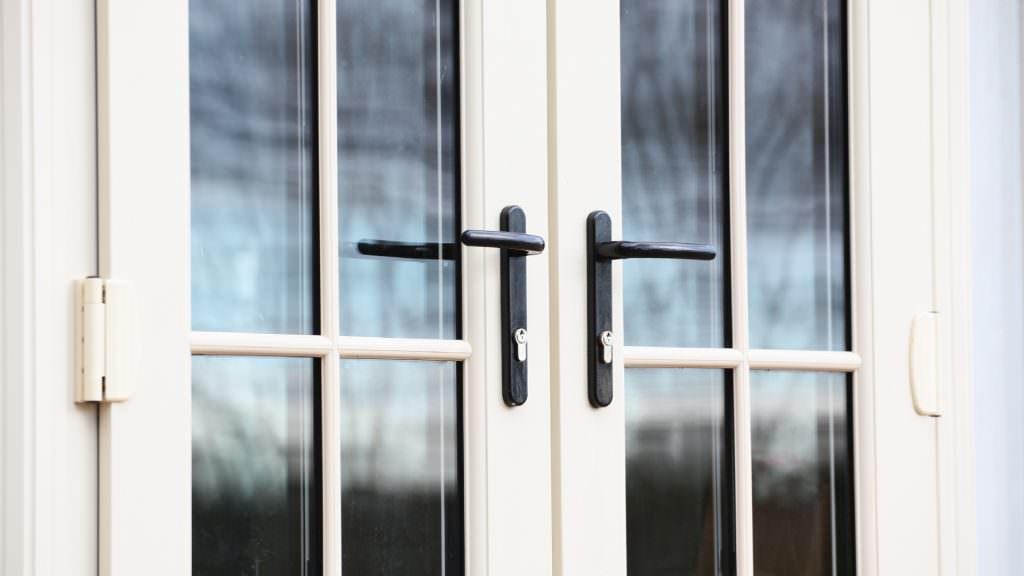
Choosing UPVC door handles sounds like a five-minute job. Then you start shopping and find different screw centres, spindle sizes, backplate lengths, security ratings and finishes that look almost identical on screen. It gets confusing fast.
The right handle should fit the existing lock, feel comfortable and suit the door without making it look oddly new. Price matters, but the cheapest set isn’t always a bargain. I’ve seen £12 handles become loose within a year, while a decent £30 set was still firm after six winters. So, where should you actually start?
Which upvc door handles will fit my existing lock?
Fit comes first. A smart-looking handle is useless if the screw holes don’t line up or the spindle sits in the wrong position.
Most UPVC door handles use a long backplate with a lever and a separate keyhole. That doesn’t mean they’re all interchangeable. Two sets may look the same in a product photo yet have different measurements by 5mm or 10mm. That small gap is enough to stop the new handle fitting.
Check whether your current setup is lever/lever or lever/pad. Lever/lever means there’s a working lever on both sides. A lever/pad set usually has a fixed or movable pad outside, often used to stop someone simply walking in when the door closes.
Don’t assume. Look properly.
How do I measure a UPVC door handle before buying?
Open the door and take measurements from the existing handle while it’s still fitted. A steel tape measure is better than a soft sewing tape, though a ruler can work if the edges are clear.
Measure these three things:
· The distance from the centre of the spindle to the centre of the keyhole
· The distance between the top and bottom fixing screws
· The total length and width of the backplate
The spindle is the square metal bar that passes through the lock. In many UK homes, the spindle-to-keyhole measurement is 92mm, but 70mm and other sizes exist too. Screw centres often vary between brands and older locking systems.
I once measured a handle at a rental house in Leeds and wrote down 92mm, thinking that was the only number needed. It wasn’t. The replacement had 215mm screw centres, while the old one was 211mm. Close, but no good. Back to the shop it went.
Measure twice, honestly.
What security features should a UPVC door handle have?
A handle alone doesn’t provide all the security. The lock cylinder and multipoint locking mechanism do most of the work. Still, a weak backplate can give an intruder easier access to the cylinder.
Look for handles tested to recognised British security standards, particularly if the door faces a street, alley or accessible rear garden. Security handles may include reinforced backplates, concealed fixings and cylinder protection designed to resist snapping or drilling.
Check the cylinder as well. If it sticks far beyond the external plate, even strong UPVC door handles won’t fix that weakness. The cylinder should sit almost flush, usually no more than a couple of millimetres proud.
For a front entrance, I’d spend more here. On a locked utility-room door inside a secure garage, maybe not.
Which material lasts longest in British weather?
Rain gets everywhere. Coastal air is worse.
Zinc alloy handles are common and affordable. Good ones can last for years, though cheap coatings may bubble or peel after repeated exposure to wet weather. Stainless steel usually costs more but suits busy entrances and exposed locations. Aluminium is light, tidy and reasonably resistant to corrosion.
Replacement UPVC door should also have a smooth return spring. Push the lever down and let go. It should return cleanly rather than hanging halfway.
At my brother’s place in Brighton, a polished chrome set started showing small corrosion spots after around 18 months. The door was less than 800 metres from the seafront. A stainless steel replacement has handled the salty air much better, although it did cost £19 more.
Sometimes the postcode decides.
Which handle finish will suit my door colour?
White handles blend easily with white frames, but they can discolour over time. Black works well on grey, black and wood-effect doors. Chrome feels brighter and more modern, while gold or brass-effect finishes suit traditional entrances.
Try to match nearby details. Look at the letter plate, knocker, hinges and house numbers. They don’t need to be from one range, but four clashing finishes can make the entrance look patched together.
When I compare UPVC door handles, satin finishes often seem more forgiving than polished ones. Fingerprints don’t show as quickly, and small scratches are less obvious. Polished chrome looks sharp when clean. It just asks for wiping rather often.
Order from a retailer with clear, real photographs if you can. “Silver” can mean several things online.
Can I replace a UPVC door handle myself?
Usually, yes. If the lock works correctly and only the handles are worn, replacement is a fairly manageable DIY job.
Keep the door open during the work. Remove the two fixing screws, pull both handles away carefully, and retain the spindle. Compare every part with the new set before fitting anything. If the supplied spindle is too long, it may need cutting. If it’s too short, don’t try to make it work.
Tighten the screws evenly. Over-tightening can pinch the mechanism and make the lever stiff. Test the handle, key and multipoint lock several times while the door remains open. Only close it once everything moves freely.
If the key is difficult to turn, the locking strip has dropped, or the door needs lifting to lock, the problem may be alignment rather than the handle. That’s where a locksmith or door repair specialist earns their fee.
How much should I pay for a decent handle set?
Basic pairs can cost around £10 to £20. Better everyday handles often sit between £20 and £45, while reinforced security versions may cost £50 or more.
Pay for accurate sizing, solid springs, suitable weather resistance and sensible security. A famous brand name is useful only if the measurements match. Fancy packaging won’t line up the screw holes.
FAQs
Are all UPVC door handles the same size?
No. Spindle-to-keyhole distances, screw centres, backplate dimensions and spindle lengths can differ. Measure the existing set before ordering.
Why has my door handle become floppy?
The return spring may be worn or broken. The lock mechanism can also cause a drooping lever, so test the handle with the door open before blaming one part.
Can I fit a security handle without changing the lock?
Often you can, provided the measurements and cylinder setup are compatible. If the cylinder projects too far, replacing both parts may be the safer choice.
Need a reliable replacement? Measure your existing set, check the security rating, and choose UPVC door handles made for the way your entrance is actually used.

 English
 Arabic
 Spanish
 Portuguese
 Deutsch
 Turkish
 Dutch
Dutch
 Italiano
 Russian
 Romaian
 Portuguese (Brazil)
 Greek
Greek
