


How Does Counseling Support Eating Disorder Treatment in India?
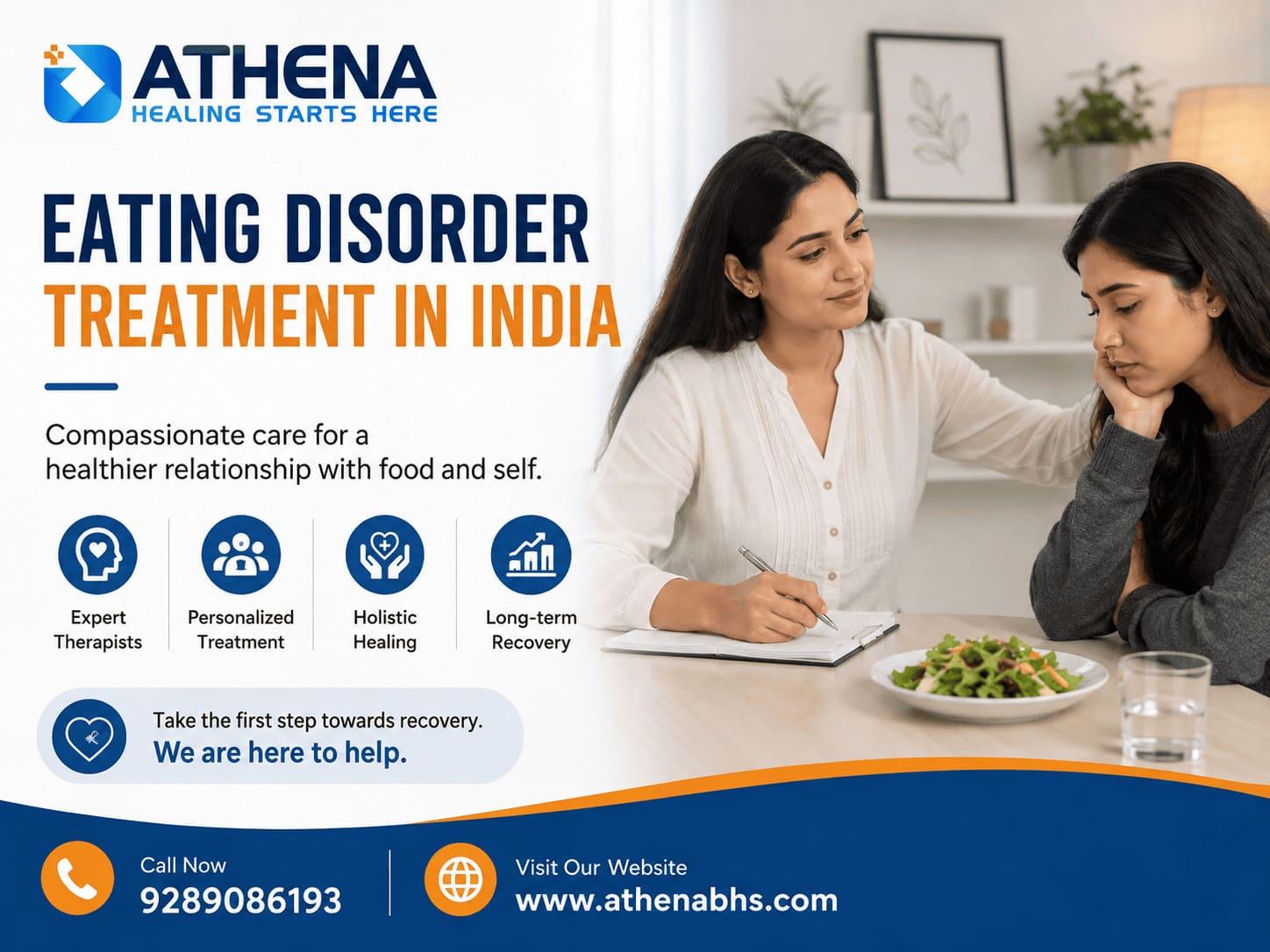
Eating disorders are complex conditions that can affect eating patterns, emotional health, physical well-being, relationships, and everyday life. They are not simply about food or body weight. Emotional distress, anxiety, low self-esteem, stress, trauma, social pressure, and other psychological factors may contribute to unhealthy eating behaviors.
This is why counseling can play an important role in eating disorder treatment in India. Professional counseling provides a safe environment where individuals can understand their eating patterns, identify triggers, develop healthier coping strategies, and work toward sustainable recovery.
What Is Eating Disorder Counseling?
Eating disorder counselling is a form of professional psychological support designed to help individuals understand and manage unhealthy relationships with food, eating, body image, and emotions.
Depending on the individual's condition and treatment plan, counseling may address:
- Emotional triggers related to eating
- Negative body image
- Low self-esteem
- Anxiety and stress
- Unhealthy thoughts about food or weight
- Compulsive or restrictive eating patterns
- Emotional eating
- Relationship difficulties
- Coping skills and relapse prevention
The counseling approach should be personalized because every person's experience with an eating disorder is different.
Why Is Counseling Important in Eating Disorder Treatment?
Eating disorders can involve deeply established thoughts and behaviors. Simply telling someone to "eat normally" may not address the emotional or psychological reasons behind the problem.
Counseling helps individuals explore what is happening beneath the eating behavior.
For example, someone may use food to cope with loneliness or stress, while another person may restrict food because of intense concerns about body image. Understanding these differences helps professionals develop a more appropriate treatment plan.
1. Identifying Emotional Triggers
One of the first steps in counseling is identifying situations or emotions that contribute to problematic eating behaviors.
Common triggers may include:
- Stress
- Loneliness
- Anxiety
- Family conflict
- Social pressure
- Negative body image
- Work or academic pressure
- Feelings of failure or rejection
Once triggers are identified, the individual can learn healthier ways to manage difficult emotions instead of relying on unhealthy eating behaviors.
2. Challenging Negative Thoughts
Eating disorders may involve persistent negative thoughts about food, body shape, appearance, or self-worth.
For example, a person may have rigid beliefs about what they should eat or feel extreme guilt after eating certain foods.
Therapy can help individuals recognize these thought patterns and gradually develop more balanced and realistic ways of thinking.
3. Developing Healthier Coping Strategies
Many people struggle with eating behaviors because food or restriction becomes a way of managing emotional discomfort.
Counseling can introduce healthier coping strategies, such as:
- Relaxation techniques
- Mindfulness
- Journaling
- Physical activity appropriate to the individual's health needs
- Communication skills
- Emotional regulation techniques
- Healthy social interaction
The goal is to develop alternatives that can be used when difficult emotions arise.
4. Improving Body Image and Self-Esteem
Negative body image can be an important factor in some eating disorders. Constant comparison with others, unrealistic appearance standards, and social media exposure can contribute to dissatisfaction with one's body.
Counseling can help individuals understand these influences and develop a healthier relationship with their body and self-worth.
Recovery involves learning that personal value does not depend solely on appearance, body shape, or weight.
5. Supporting Binge Eating Disorder Treatment
Counseling can also play an important role in Binge Eating Disorder Treatment.
Binge eating may involve episodes of consuming unusually large amounts of food accompanied by a sense of loss of control. Some individuals may experience guilt, shame, or distress afterward.
Therapy can help identify emotional and situational triggers associated with binge eating and develop healthier responses.
Treatment may also focus on reducing harmful cycles of restriction, guilt, and overeating while supporting healthier attitudes toward food.
6. Family Counseling and Support
Family support can be valuable, particularly when a young person is experiencing an eating disorder.
Family counseling can help relatives understand:
- What eating disorders are
- Why recovery can take time
- How to communicate without criticism
- How to provide practical support
- How to recognize warning signs
- How to avoid unintentionally reinforcing unhealthy behaviors
A supportive home environment can make it easier for an individual to remain engaged with treatment.
7. Managing Anxiety and Stress
Eating difficulties can sometimes occur alongside anxiety, depression, stress, or other psychological concerns.
Counseling can help individuals understand the relationship between emotional distress and eating behavior. If other mental health concerns are present, a qualified professional can recommend appropriate treatment alongside eating disorder care.
This integrated approach can support overall mental and emotional well-being.
What Happens at an Eating Disorder Treatment Centre?
An eating disorder treatment centre may provide a multidisciplinary approach depending on the person's needs.
Treatment may involve:
- Psychiatric assessment
- Psychological counseling
- Behavioral therapy
- Nutritional guidance
- Medical monitoring when required
- Family counseling
- Relapse prevention
- Follow-up care
Because eating disorders can sometimes involve physical health risks, professional assessment is important. Treatment plans should be based on the individual's symptoms, medical needs, emotional health, and recovery goals.
Choosing an Eating Disorder Treatment Centre in India
When looking for an eating disorder treatment centre in India, consider whether the facility provides qualified mental health professionals and personalized care.
Important factors include:
- Experienced psychiatrists and psychologists
- Trained therapists and counselors
- Individualized treatment planning
- Medical and psychological assessment
- Family support
- Nutritional support when clinically required
- Confidential care
- Follow-up and relapse prevention
The right treatment environment should make individuals feel respected and supported rather than judged.
Treatment for Eating Disorder: Why a Personalized Approach Matters
There is no single treatment method that works for every eating disorder. Treatment for Eating Disorder should be based on the person's specific condition and circumstances.
For some individuals, regular outpatient counseling may be appropriate. Others may require more structured treatment depending on symptom severity and medical or psychological needs.
A personalized approach allows professionals to address both eating-related behaviors and the factors contributing to them.
How Long Does Counseling Take?
The duration of counseling varies from person to person. Factors such as the type and severity of the eating disorder, duration of symptoms, emotional health, support system, and response to treatment can influence the recovery timeline.
Recovery is generally a process rather than a quick fix. Regular sessions, consistent support, and follow-up care may be recommended depending on individual needs.
Final Thoughts
Counseling is an important component of Eating Disorder Treatment in India because it addresses the emotional and behavioral factors that can contribute to unhealthy eating patterns. It can help individuals identify triggers, challenge negative thoughts, improve self-esteem, develop healthier coping mechanisms, and work toward sustainable recovery.
Whether someone is experiencing restrictive eating, binge eating, or other problematic eating patterns, professional assessment can help determine the most suitable treatment approach.
Take the First Step Toward Recovery
If an eating disorder is affecting your physical health, emotional well-being, relationships, or daily life, professional support can make a meaningful difference. Athena Behavioral Health provides personalized mental and behavioral healthcare in a confidential and supportive environment.
📞 Call: +91 92890 86193
🌐 Visit: https://www.athenabhs.com/

 Arabic
 French
 Spanish
 Portuguese
 Deutsch
 Turkish
 Dutch
Dutch
 Italiano
 Russian
 Romaian
 Portuguese (Brazil)
 Greek
Greek
