


Silicone Rubber O-Rings: Properties, Benefits, and Common Applications
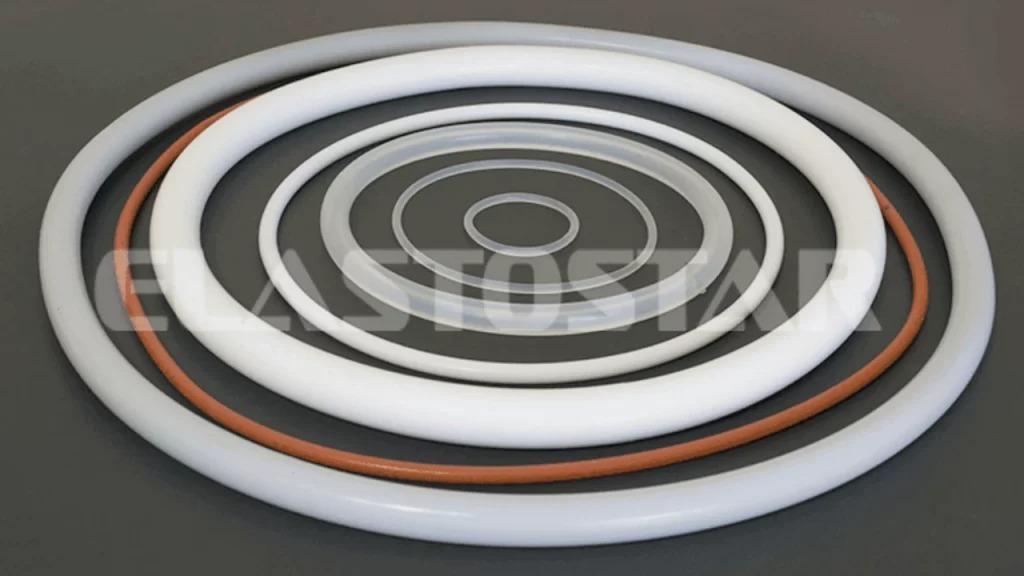
O-rings are small but essential sealing components used in countless industrial systems. They help prevent fluids, gases, dust, and other contaminants from passing between mating surfaces. Choosing the right O-ring material is important because sealing performance depends on temperature, pressure, chemical exposure, and operating conditions.
Silicone Rubber O-Rings are widely used when flexibility, temperature resistance, weather resistance, and reliable sealing are required. Silicone offers a combination of properties that makes it suitable for applications across industries such as food processing, medical equipment, electronics, automotive, aerospace, and general manufacturing.
Elastostar Rubber Corporation provides custom rubber sealing solutions designed to meet different industrial requirements. Understanding the properties and applications of silicone O-rings can help engineers and purchasing teams select a suitable sealing material.
What Are Silicone Rubber O-Rings?
A silicone O-ring is a circular sealing ring manufactured from silicone rubber. Its simple round cross-section allows it to fit into a groove between two mating components.
When the assembly is compressed, the O-ring deforms and fills the space between the surfaces. This creates a seal that helps prevent leakage.
Silicone Rubber O-Rings are available in different sizes, hardness levels, colors, formulations, and specifications. The appropriate option depends on the application and operating environment.
Key Properties of Silicone Rubber O-Rings
1. Wide Temperature Resistance
One of the main reasons silicone is selected for O-rings is its ability to perform across a broad temperature range.
Silicone can remain flexible at low temperatures and maintain useful physical properties at elevated temperatures. This makes Silicone Rubber O-Rings suitable for equipment exposed to temperature fluctuations.
The actual operating range depends on the specific silicone formulation, compound, design, and application.
2. Excellent Flexibility
Silicone rubber is naturally flexible. This allows O-rings to deform effectively during installation and sealing.
Flexibility can be particularly useful when the sealing surfaces have minor dimensional variations or when the assembly requires a compliant sealing material.
3. Good Weather and Ozone Resistance
Outdoor equipment can expose sealing components to sunlight, ozone, humidity, and changing weather conditions.
Silicone generally provides good resistance to these environmental factors. As a result, silicone O-rings can be used in selected outdoor applications where long-term exposure to weather is expected.
4. Good Compression Recovery
A sealing material needs to maintain contact with mating surfaces during service. Silicone O-rings can provide good elastic recovery when properly designed and compressed.
The performance depends on factors such as hardness, temperature, compression level, groove design, and service conditions.
5. Low-Temperature Flexibility
Some rubber materials can become stiff when exposed to low temperatures. Silicone remains flexible over a broad low-temperature range, making it useful for applications involving refrigeration or cold environments.
This property can help maintain sealing performance when equipment experiences temperature changes.
6. Electrical Insulation
Silicone rubber has good electrical insulating properties. This makes Silicone Rubber O-Rings useful in selected electrical and electronic applications where sealing and insulation properties are required.
The compound and design should be selected according to the electrical and environmental requirements of the application.
Benefits of Silicone Rubber O-Rings
Reliable Sealing
The primary function of an O-ring is to prevent leakage. Silicone O-rings can provide reliable sealing when the material, dimensions, groove design, and compression are correctly matched to the application.
Resistance to Environmental Conditions
Silicone provides good resistance to ozone, weathering, and UV exposure. This can make it useful for equipment operating indoors or outdoors.
Long Service Potential
When used within their recommended operating conditions, silicone O-rings can provide consistent service over an extended period.
Proper installation, groove design, surface finish, and maintenance are also important for achieving good service life.
Available in Custom Designs
Silicone O-rings can be manufactured in standard and custom dimensions. Custom production can be useful when equipment requires a non-standard diameter, cross-section, hardness, or material specification.
Suitable for Different Industries
The combination of flexibility, temperature performance, environmental resistance, and electrical insulation makes silicone O-rings useful across many industrial sectors.
Common Applications of Silicone Rubber O-Rings
Food Processing Equipment
Silicone O-rings can be used in selected food processing equipment where suitable food-contact grades are required.
They may be used in pumps, valves, fittings, dispensing systems, and other processing equipment.
For direct food-contact applications, the specific compound should meet the applicable regulatory and customer requirements.
Medical and Healthcare Equipment
Silicone is widely used in certain medical and healthcare applications because of its flexibility and temperature properties.
O-rings may be found in equipment and systems where reliable sealing is required. Material selection should be based on the specific medical application and applicable requirements.
Electronics and Electrical Equipment
Silicone O-rings can be used to seal electrical housings, connectors, enclosures, and other components.
Their environmental resistance and electrical insulating characteristics can provide useful performance in suitable applications.
Automotive Applications
Automotive equipment may experience temperature fluctuations, moisture, vibration, and outdoor exposure.
Silicone O-rings can be used in selected automotive applications where their temperature and environmental properties meet the system requirements.
HVAC Systems
Heating, ventilation, and air-conditioning equipment may require seals capable of handling temperature changes and environmental exposure.
Silicone O-rings can be suitable for certain HVAC components, particularly where flexibility and temperature resistance are important.
Industrial Equipment
Pumps, valves, machinery, instrumentation, and other industrial systems use O-rings to prevent fluid and gas leakage.
Silicone Rubber O-Rings can be considered when the application requires silicone's specific performance characteristics.
Limitations of Silicone O-Rings
Although silicone offers many useful properties, it is not suitable for every application.
Silicone can have limited resistance to certain fuels, oils, and hydrocarbon-based fluids compared with materials specifically formulated for those environments.
Silicone also has relatively low tear strength compared with some other elastomers. In applications involving severe abrasion or mechanical damage, another rubber compound may be more appropriate.
For this reason, material selection should always be based on the actual operating conditions rather than choosing silicone solely because of its temperature range.
Factors to Consider When Selecting Silicone O-Rings
Temperature
Determine the lowest and highest temperatures the O-ring will experience during operation, cleaning, storage, and equipment shutdown.
Pressure
Pressure affects the sealing performance of an O-ring. High-pressure applications may require specific groove designs, hardness levels, backup rings, or alternative sealing materials.
Chemical Exposure
Identify all fluids and chemicals that may contact the O-ring. This includes process fluids, lubricants, cleaning chemicals, and sanitizing solutions.
Hardness
Silicone O-rings are available in different hardness levels. A softer material may provide easier compression, while a harder compound can offer different mechanical characteristics.
Size and Groove Design
The O-ring must match the groove dimensions and sealing requirements. Incorrect sizing or excessive compression can shorten service life and cause leakage.
Regulatory Requirements
For food, medical, pharmaceutical, or other regulated applications, the selected silicone compound may need to meet specific regulatory, customer, or industry requirements.
Custom Silicone Rubber O-Rings from Elastostar Rubber Corporation
Every sealing application has different requirements. Standard O-rings may not always provide the right dimensions, material characteristics, or performance.
Elastostar Rubber Corporation offers custom rubber manufacturing solutions for industrial applications. Silicone Rubber O-Rings can be produced according to required dimensions and material specifications.
Our team can work with customers to identify suitable silicone compounds based on factors such as temperature, hardness, chemical exposure, compression requirements, application environment, and regulatory needs.
Custom manufacturing can help businesses obtain sealing components designed specifically for their equipment rather than relying on unsuitable standard parts.
How to Improve Silicone O-Ring Performance
Proper installation is essential for achieving reliable sealing performance.
The groove should be designed correctly, and the mating surfaces should be clean and free from sharp edges or excessive surface damage.
The O-ring should not be twisted, stretched beyond its recommended limits, or installed with tools that can damage the rubber.
Lubrication may also be appropriate for certain applications, but the lubricant must be compatible with the silicone compound and the equipment environment.
Regular inspection can help identify cracking, deformation, hardening, swelling, or other signs of deterioration before a seal fails.
Conclusion
Silicone Rubber O-Rings offer a useful combination of flexibility, temperature resistance, environmental resistance, compression recovery, and electrical insulation.
They are used across many industries, including food processing, medical equipment, electronics, automotive systems, HVAC equipment, and industrial machinery.
Silicone is not the ideal material for every sealing environment, particularly where exposure to certain fuels, oils, or severe mechanical wear is involved. Selecting the correct compound requires consideration of temperature, pressure, chemicals, hardness, dimensions, and regulatory requirements.
With appropriate material selection, design, installation, and maintenance, silicone O-rings can provide dependable sealing performance for a wide range of applications. Elastostar Rubber Corporation can provide custom silicone rubber O-ring solutions based on specific application and manufacturing requirements.
Frequently Asked Questions
1. What are Silicone Rubber O-Rings used for?
Silicone Rubber O-Rings are used to create seals between mating components and help prevent the movement of fluids, gases, moisture, dust, and contaminants. They are used in industrial, automotive, food processing, medical, electrical, and HVAC applications.
2. Are silicone O-rings suitable for high temperatures?
Silicone O-rings can perform well at elevated temperatures compared with many conventional elastomers. The exact temperature range depends on the silicone formulation and application conditions.
3. Are Silicone Rubber O-Rings resistant to chemicals?
Silicone provides resistance to many environmental conditions, but it is not universally resistant to all chemicals. Certain oils, fuels, and hydrocarbon-based fluids may require a different elastomer. Chemical compatibility should be checked before selecting the material.
4. Can silicone O-rings be used for food processing?
Yes, silicone O-rings can be manufactured in grades suitable for certain food processing applications. For food-contact use, the specific material should meet the applicable regulatory and customer requirements.
5. Can Elastostar Rubber Corporation manufacture custom silicone O-rings?
Yes. Elastostar Rubber Corporation can provide custom silicone rubber O-ring solutions based on customer requirements, including dimensions, hardness, compound specifications, and application conditions.

 English
 Arabic
 Spanish
 Portuguese
 Deutsch
 Turkish
 Dutch
Dutch
 Italiano
 Russian
 Romaian
 Portuguese (Brazil)
 Greek
Greek
