


Cataract Surgeon Dubai for Trusted Vision Care and Support
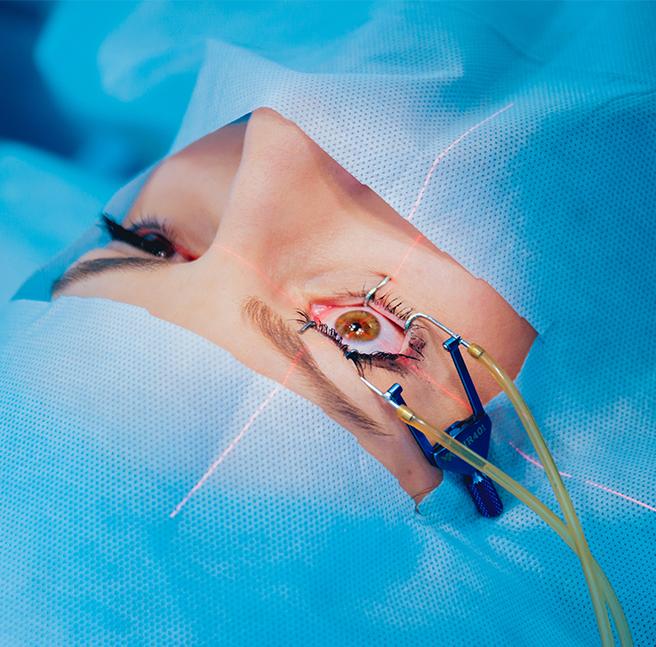
Clear vision plays an important role in everyday life. It helps us read, drive, work, use digital devices, and enjoy time with family and friends. When vision slowly becomes cloudy, colors may look less bright, or night driving becomes difficult, a cataract may be the reason.
For people looking for reliable eye care, choosing the right cataract surgeon dubai can be an important step toward understanding the condition and available treatment options. Cataract care usually starts with a detailed eye examination and a discussion about symptoms, health history, and daily vision needs.
What Is a Cataract?
A cataract is a clouding of the natural lens inside the eye. The lens normally helps focus light onto the retina so that we can see clear images. As we get older, changes in the lens can make it less transparent.
Cataracts usually develop slowly. Many people do not notice major changes at the beginning. Over time, however, the cloudy lens can affect vision and make normal activities harder.
A cataract is not simply a problem with the surface of the eye. The clouding happens inside the eye's natural lens. For this reason, ordinary glasses may not fully correct the vision once the cataract becomes more advanced.
Cataracts are common with ageing, but they can also develop for other reasons. Certain medical conditions, previous eye injuries, some medicines, and long-term exposure to sunlight may increase the risk.
Common Symptoms of Cataracts
Cataract symptoms can be different from one person to another. They may also become noticeable gradually.
Common symptoms include:
- Blurred or cloudy vision
- Difficulty seeing clearly at night
- Increased sensitivity to bright lights
- Glare around headlights and lamps
- Seeing halos around lights
- Colors appearing faded or less bright
- Frequent changes in glasses prescription
- Difficulty reading small print
- Trouble watching television clearly
- Double vision in one eye in some cases
Some people may continue with their normal routine despite these symptoms. Others may find that their vision starts affecting work, driving, hobbies, or independence.
It is important not to ignore changes in eyesight. Not every vision problem is caused by a cataract. A complete eye examination can help identify the actual cause.
When Should You See an Eye Doctor?
There is no single age at which everyone needs cataract surgery. The decision depends on how much the cataract is affecting vision and daily activities.
You should consider an eye examination if you notice persistent blurred vision, increasing glare, difficulty seeing at night, or changes in your ability to read or recognize faces.
Regular eye examinations are also useful even when symptoms seem mild. An eye doctor can check the health of the lens, retina, optic nerve, and other parts of the eye.
People with diabetes, a history of eye problems, previous eye surgery, or other risk factors may need regular monitoring based on their individual needs.
How Is a Cataract Diagnosed?
A cataract can usually be identified during a detailed eye examination. The examination may include several steps to understand both the cataract and the overall health of the eye.
Vision Testing
A standard vision test checks how clearly you can see at different distances. It can help show whether your vision has changed.
Slit-Lamp Examination
A slit-lamp is a special microscope used to examine the structures at the front and inside of the eye. It allows the doctor to look closely at the natural lens and identify clouding.
Dilated Eye Examination
Eye drops may be used to make the pupil larger. This allows the doctor to examine the retina and optic nerve more clearly.
This step is important because vision changes may sometimes be related to retinal or other eye conditions rather than cataracts alone.
Additional Measurements
If cataract surgery is being considered, additional measurements may be needed to understand the shape and size of the eye. These measurements help with planning the procedure and selecting an appropriate intraocular lens.
When Is Cataract Surgery Recommended?
Cataract surgery is generally considered when a cataract starts interfering with everyday life.
For example, surgery may be discussed if you are having difficulty:
- Driving safely
- Reading
- Working on a computer
- Recognizing people
- Watching television
- Moving around independently
- Performing hobbies
- Seeing clearly in low-light conditions
The decision should not be based only on how advanced the cataract looks. The effect on your quality of life and visual needs is also important.
If a cataract is present but does not significantly affect daily activities, an eye doctor may recommend monitoring it instead of immediate surgery.
What Happens During Cataract Surgery?
Cataract surgery is a commonly performed eye procedure. The basic goal is to remove the cloudy natural lens and replace it with an artificial intraocular lens, often called an IOL.
Before surgery, the eye is carefully measured and the treatment plan is discussed.
During the procedure, the cloudy lens is removed through a small opening. A suitable artificial lens is then placed inside the eye.
The procedure is generally performed using local or topical anaesthesia, depending on the patient's needs and the surgical plan. Patients are usually awake but should not feel significant pain during the procedure.
The exact surgical technique can vary depending on the patient's eye condition and the surgeon's approach.
Understanding Intraocular Lenses
An intraocular lens is an artificial lens placed inside the eye after the natural cloudy lens is removed.
Different types of IOLs are available. The most suitable option depends on several factors, including the health of the eyes, vision requirements, existing prescription, and lifestyle.
Some lenses are designed mainly to provide clear distance vision. Other lens designs may offer a broader range of vision.
It is important to understand that every lens option has advantages and limitations. A detailed discussion before surgery can help patients make an informed choice.
The goal is not simply to select the most advanced-sounding lens. The goal is to choose an option that matches the patient's eyes, expectations, and daily activities.
What Should You Expect Before Surgery?
Good preparation can make the cataract treatment process easier.
Before surgery, the doctor may review:
- Your general health
- Current medicines
- Previous eye conditions
- Previous eye surgeries
- Existing glasses prescription
- Eye measurements
- Retina and optic nerve health
- Your normal visual activities
You may also receive instructions about medicines, eating and drinking, eye drops, and arrangements for the day of surgery.
Patients should provide complete information about their medical history and medicines. This helps the healthcare team plan treatment safely.
It is also useful to arrange transportation if you are advised not to drive immediately after the procedure.
Cataract Surgery Recovery
Recovery after cataract surgery is usually gradual. Many patients notice an improvement in vision as the eye heals, but the exact recovery experience can differ.
You may be given prescribed eye drops after surgery. These may help protect the eye during the healing period and reduce the risk of inflammation or infection.
Patients should follow all postoperative instructions carefully.
During the early recovery period, your doctor may advise you to avoid rubbing or pressing on the eye. You may also need to avoid certain activities for a period of time.
Follow-up appointments are important. They allow the doctor to check how the eye is healing and whether vision is improving as expected.
How Long Does It Take to Recover?
Many people can return to light daily activities relatively soon after cataract surgery. However, complete healing can take longer.
Vision may change during the early days or weeks. Some patients experience mild irritation, watering, sensitivity to light, or temporary blurriness.
Recovery time depends on factors such as:
- Overall eye health
- Type of surgery
- Other eye conditions
- General health
- Individual healing response
- Whether complications occur
Your doctor will provide personalized advice about returning to work, driving, exercise, and other activities.
Is Cataract Surgery Safe?
Cataract surgery is widely performed and generally has a good safety record. However, like every surgical procedure, it has potential risks.
Possible complications can include infection, inflammation, bleeding, changes in eye pressure, retinal problems, or other vision-related issues. The risk varies from person to person.
A proper preoperative examination is important because it helps identify factors that may affect treatment.
Patients should discuss their individual risks and expected benefits with their eye doctor rather than relying only on general information.
What Can Help Protect Eye Health?
Although ageing-related cataracts cannot always be prevented, maintaining good eye health is still important.
Some useful habits include:
Protect Your Eyes From Strong Sunlight
Wearing suitable sunglasses and a hat can help reduce direct exposure to ultraviolet light.
Manage Health Conditions
Conditions such as diabetes can affect eye health. Keeping such conditions properly managed may help reduce the risk of several eye problems.
Avoid Smoking
Smoking is associated with an increased risk of several eye conditions. Avoiding tobacco can support overall health as well as eye health.
Eat a Balanced Diet
A healthy diet containing vegetables, fruits, whole grains, and other nutritious foods can support general and eye health.
Attend Regular Eye Examinations
Regular examinations can help detect eye problems at an earlier stage, even before symptoms become severe.
Questions to Ask Before Cataract Surgery
Patients should feel comfortable asking questions before deciding on surgery.
Useful questions may include:
- How advanced is my cataract?
- Is surgery necessary now?
- Are there other reasons for my vision changes?
- What type of IOL may suit my needs?
- What should I expect during recovery?
- When can I return to work?
- When can I drive again?
- What are the possible risks?
- Do I need to use eye drops after surgery?
- How many follow-up visits may be needed?
Clear communication can help patients understand the treatment process and set realistic expectations.
Why Personalized Cataract Care Matters
Every patient's eyes are different. Two people with cataracts may have very different visual needs.
For example, someone who spends most of the day reading may have different priorities from someone who drives frequently at night. A person with another eye condition may also need a different treatment plan.
For this reason, cataract care should be based on a complete eye examination rather than a standard approach for everyone.
The focus should be on understanding the patient's vision, eye health, lifestyle, and expectations.
What to Look for in a Cataract Care Provider
Choosing an eye care provider is an important decision. Patients can consider several factors when comparing their options.
Look for a provider who:
- Performs a detailed eye examination
- Explains the diagnosis clearly
- Discusses available treatment choices
- Answers questions openly
- Reviews medical and eye history
- Provides clear preoperative instructions
- Explains possible risks and recovery
- Offers appropriate follow-up care
It is also important to avoid making a decision based only on advertising or promises. Cataract treatment should always be based on proper medical assessment.
Cataract Care and Long-Term Vision
Removing a cataract can improve vision when the cloudy lens is the main reason for reduced sight. However, cataract surgery does not prevent other eye conditions from developing later.
People may still develop conditions involving the retina, optic nerve, cornea, or other parts of the eye.
This is why continued eye care remains important after cataract surgery.
Regular examinations can help monitor overall eye health and identify new problems early.
When to Seek Urgent Eye Care
Most cataract symptoms develop slowly. However, sudden changes in vision should not automatically be blamed on a cataract.
Seek urgent medical attention if you experience sudden loss of vision, severe eye pain, significant redness, flashes of light, a sudden increase in floaters, or a dark curtain-like area in your vision.
These symptoms may indicate a different eye problem that needs prompt assessment.
Conclusion
Cataracts are a common cause of cloudy or reduced vision, especially as people get older. The condition often develops gradually, which means many people may not realize how much their eyesight has changed until everyday activities become difficult.
A complete eye examination can help determine whether a cataract is responsible for the symptoms and whether monitoring or surgery is appropriate. When surgery is recommended, understanding the procedure, intraocular lens choices, recovery process, and possible risks can help patients feel more prepared.
For those seeking cataract care in Dubai, choosing an experienced and patient-focused eye care provider can support informed decisions and appropriate follow-up. Dr. Mandeep Lamba provides cataract and eye care with attention to individual vision needs, helping patients understand their condition and available treatment options. The right approach always begins with a proper examination, clear communication, and a treatment plan suited to the patient's eyes and lifestyle.

 English
 Arabic
 French
 Spanish
 Deutsch
 Turkish
 Dutch
Dutch
 Italiano
 Russian
 Romaian
 Portuguese (Brazil)
 Greek
Greek
