


Name Correction vs. Name Change on an Airline Ticket
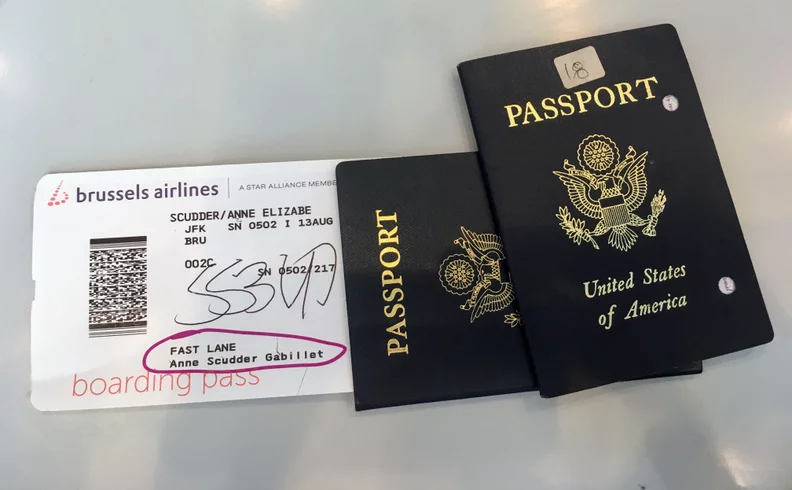
When your booking details don't match your passport, one of the first things to figure out is which category your situation falls into. The distinction between name correction vs name change airline policies isn't just semantics — it determines what documentation you'll need, how long the process takes, and whether you'll pay a fee.
What counts as a name correction
A name correction covers situations where the passenger's identity hasn't changed — only the way it's written on the ticket is wrong. This typically includes:
- A misspelled first or last name
- A missing or extra letter
- A transposed name order (first and last name swapped)
- A missing middle name that needs to be added
Airlines generally treat these as low-risk, administrative fixes, since there's no question about who the passenger actually is. Many carriers allow these corrections quickly, sometimes for free, especially if caught soon after booking.
What counts as a name change
A name change is a more significant modification — one that reflects an actual change in legal identity, or an attempt to substitute a completely different name on the booking. Common scenarios include:
- Marriage or divorce, resulting in a new legal surname
- A legally recognized name change unrelated to marital status
- Correcting a booking made under entirely the wrong name
Airlines treat this category with more scrutiny, often requiring supporting documentation like a marriage certificate or legal name change order before processing the request.
Why airlines draw this line
The distinction exists because a name correction and a name change carry very different risks. A minor typo fix doesn't change who's flying — it just fixes a data entry error. A full name change, on the other hand, could theoretically be used to transfer a ticket to a different person entirely, which most airlines explicitly prohibit. That's why airlines like Delta, United, Southwest, and JetBlue maintain strict policies against changing a ticket to a completely different traveler, even when a legitimate name correction or change is otherwise allowed.
How this affects cost and process
- Corrections are frequently free or low-cost, particularly for a single-letter fix, and can often be handled through an airline's online "manage my booking" tool.
- Changes more often involve a fee — sometimes a flat correction charge, sometimes a broader "change fee" — and may require submitting documentation before the request is approved.
- Fees for either category vary significantly by airline, so it's worth checking your specific carrier's policy rather than assuming a fixed cost.
How to know which one applies to you
Ask yourself:
- Is the person flying still the same person who was originally booked? If yes, you're likely looking at a correction.
- Has your legal name changed since booking (marriage, divorce, legal name change)? This falls under a change.
- Are you trying to put a different person's name on the ticket entirely? This typically isn't allowed under either category — you'll usually need to cancel and rebook instead.
Final Thoughts
Understanding name correction vs name change airline policies helps you know exactly what to expect — and what to prepare — before contacting your airline. A simple typo is usually a quick fix; a legal name change takes a bit more paperwork, but is still very much doable with the right documentation.
For more details on handling either situation, visit What to Do When Ticket Name Does Not Match Passport.

 English
 Arabic
 French
 Spanish
 Portuguese
 Deutsch
 Dutch
Dutch
 Italiano
 Russian
 Romaian
 Portuguese (Brazil)
 Greek
Greek
