


Digital Printing on Fabric: A Complete Guide
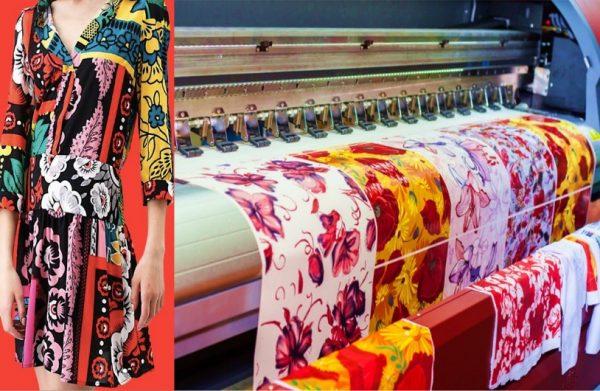
Digital printing on fabric is a modern method of applying designs, patterns, photographs, and text directly to textile materials using computer-controlled inkjet printers. Unlike conventional printing methods that may require screens, rollers, or engraved cylinders, digital technology transfers artwork from a digital file onto fabric with precise ink application. It has become an important production method for fashion, home textiles, promotional products, and customized fabrics.
The growing demand for Digital printing on fabric is closely linked to the need for shorter production runs, detailed artwork, quick design changes, and personalized products. A designer can create a digital pattern, adjust its colors or dimensions, and produce a sample without preparing multiple physical screens. However, good results depend on choosing the correct fabric, ink technology, pretreatment, printing settings, and finishing process.
What Is Digital Printing on Fabric?
Digital fabric is an inkjet-based process in which specialized printheads deposit very small droplets of textile ink onto a fabric surface. The printer follows instructions from a digital artwork file and controls the placement and quantity of ink to reproduce the intended image.
The technology can reproduce fine details, smooth color transitions, photographic images, and complex patterns. Because the artwork is stored digitally, changing a design usually requires editing the file rather than producing a new set of physical screens.
The printing method is not identical for every textile. Cotton, polyester, silk, nylon, viscose, and blended fabrics can require different inks and preparation procedures.
How Does Digital Printing on Fabric Work?
Although commercial systems vary, the basic process follows several important stages.
1. Preparing the Digital Artwork
The process starts with artwork created in graphic design software. The file should have suitable dimensions and resolution for the final product. Color settings are also important because colors displayed on a computer monitor can differ from the colors produced by textile inks.
Before production, the design may be repeated across the fabric using a seamless pattern. A test file is often printed first to identify problems with scale, color, positioning, or image quality.
2. Preparing the Fabric
Fabric preparation depends on its fiber composition and the chosen ink. Some materials require pretreatment to control ink absorption and improve color development.
The fabric should also be clean, dry, and properly positioned. Wrinkles, dust, uneven tension, or contamination can affect the appearance of the finished print.
3. Applying the Ink
During printing, the fabric moves through the machine while printheads deposit controlled amounts of ink. The printer can place different colors in precise locations to recreate the digital image.
Unlike screen printing, the process does not require a separate screen for every color. This makes digital printing especially useful for designs containing many colors, gradients, shadows, and photographic details.
4. Fixing the Print
Printing alone does not always make the color permanent. The ink generally needs to be fixed according to its chemistry.
Depending on the system, fixation can involve heat, steam, or curing. The correct process helps the ink bond with or adhere to the fibers and improves resistance to washing, rubbing, and other forms of use.
5. Washing and Finishing
Some dye-based printing processes require washing after fixation to remove unfixed dye and chemicals. Other systems, such as certain pigment printing processes, may have different finishing requirements.
The fabric can then be dried, softened, pressed, coated, or subjected to other finishing treatments based on its final application.
Types of Inks Used in Textile Printing
Reactive Inks
Reactive inks are commonly used for cotton, linen, rayon, viscose, and other cellulose-based fabrics. The dye reacts with suitable fibers and can produce strong colors with good wash performance when properly processed.
The process generally involves pretreatment, printing, steaming or another fixation stage, and washing.
Pigment Inks
Pigment inks are versatile and can be used with many types of fabric. Instead of chemically bonding with the fiber in the same way as reactive dyes, pigments are held on the textile surface with a binder.
One advantage is that some pigment processes can reduce the amount of washing required after printing. However, the final handle and durability depend strongly on the formulation and curing process.
Disperse and Sublimation Inks
Disperse inks are designed for synthetic fibers, particularly polyester. In dye-sublimation printing, heat transfers the dye into polyester fibers, producing vibrant graphics that are useful for sportswear, flags, banners, and soft signage.
Acid Inks
Acid inks are commonly associated with fabrics such as silk, wool, nylon, and other suitable fibers. They can provide detailed and vibrant prints, but the fabric normally requires appropriate pretreatment and post-printing fixation.
Major Benefits of Digital Fabric Printing
Excellent Design Flexibility
Digital printing can reproduce complicated artwork without limiting the design to a small number of colors. Photographs, fine lines, gradients, and intricate patterns can all be incorporated into a textile design.
Efficient Short-Run Production
Traditional printing methods can involve significant preparation before production begins. Digital printing reduces much of this setup, making it suitable for samples, small collections, customized products, and limited editions.
Easy Personalization
Each printed piece can potentially contain a different design. This is useful for personalized clothing, custom bags, decorative products, promotional textiles, and made-to-order merchandise.
Faster Design Changes
A digital artwork file can be edited without creating new screens or engraving new cylinders. Manufacturers can therefore respond more easily to changing customer requirements.
Reduced Physical Setup
Digital printing does not require the same physical screen preparation associated with conventional screen printing. This can simplify production, particularly when artwork is complex or frequently changed.
Applications of Digital Printing on Fabric
Fashion and Clothing
Fashion brands use digital printing for dresses, shirts, scarves, skirts, sportswear, swimwear, and accessories. Designers can create distinctive patterns without restricting themselves to simple repeat designs.
Home Textiles
Curtains, cushions, bedding, table linens, upholstery materials, and decorative fabrics can be digitally printed with customized patterns.
Promotional Textiles
Polyester-based digital printing is widely suited to flags, event backdrops, exhibition graphics, banners, and other promotional materials where detailed visual designs are needed.
Interior and Decorative Products
Digital technology allows interior designers to create coordinated textile designs for specific rooms, furniture collections, hospitality spaces, and commercial interiors.
Practical Benefits and Key Insights
The most important decision in digital textile printing is not simply choosing a printer. The fabric and ink system must be compatible with the intended application.
For example, cotton clothing that will be washed frequently needs a printing system capable of producing adequate wash durability. A polyester sports garment may require a different ink and heat-transfer process. Using an unsuitable combination can result in weak color, poor adhesion, bleeding, or premature fading.
Color management is equally important. A design that appears bright on a backlit monitor may look different when printed because textile printing uses dyes or pigments rather than emitted light. Calibrated equipment, appropriate color profiles, test prints, and consistent production conditions help improve color accuracy.
It is also important to evaluate the fabric after finishing rather than judging the print immediately after it leaves the printer. Washing, steaming, curing, and other treatments can change color intensity, softness, and appearance.
Common Challenges and Considerations
Color Accuracy
Different fabrics can produce different visual results even when the same digital file is used. Fiber type, fabric construction, pretreatment, ink, and finishing can all influence color.
Production Cost
Digital printing can be economical for short and medium runs, but it is not automatically the cheapest solution for every job. Equipment, specialized inks, pretreatment, labor, and finishing costs must be considered together.
Fabric Selection
The structure and composition of fabric affect ink absorption and image quality. A smooth, tightly woven material may reproduce fine details differently from a textured or loosely woven textile.
Durability Requirements
The final product should be tested for the conditions it will experience. Apparel may need strong wash and rubbing resistance, while outdoor textiles may require resistance to light and weather exposure.
Pretreatment and Finishing
Inconsistent pretreatment, incorrect curing temperatures, or inadequate fixation can cause serious quality problems. Commercial operations need controlled and repeatable processes.
Frequently Asked Questions
1. What fabrics can be digitally printed?
Many fabrics can be digitally printed, including cotton, polyester, silk, viscose, linen, nylon, and selected blends. The appropriate ink and printing process depend on the fiber composition.
2. Is digital printing on fabric durable?
It can be highly durable when the correct ink, fabric, pretreatment, and fixation process are used. Durability should be evaluated according to washing, rubbing, light exposure, and intended use.
3. Is digital fabric printing suitable for small orders?
Yes. Short production runs are one of its major advantages because the process requires less physical setup than many conventional printing methods.
4. Can photographs be printed on fabric?
Yes. Digital printers can reproduce photographic images, detailed illustrations, gradients, and other complex artwork when the fabric and printing system are suitable.
5. How can digital fabric print quality be improved?
Start with suitable artwork and fabric, use compatible inks, maintain accurate color management, control pretreatment and printing conditions, and follow the recommended fixation and finishing procedures. Always test the actual fabric before a large production run.
Conclusion
Digital printing on fabric has made textile production more flexible by connecting digital artwork directly with modern inkjet printing technology. It is particularly useful for detailed designs, customized products, samples, limited collections, and applications where rapid design changes are important.
Its success, however, depends on the complete production process. Fabric composition, ink selection, pretreatment, color management, fixation, washing, and finishing all influence the final result. Businesses that evaluate these factors carefully can use digital textile printing to produce attractive and functional fabrics while reducing the limitations associated with more traditional printing methods.

 English
 French
 Spanish
 Portuguese
 Deutsch
 Turkish
 Dutch
Dutch
 Italiano
 Russian
 Romaian
 Portuguese (Brazil)
 Greek
Greek
