


Possession vs. Possession With Intent to Deliver (PWID): What's the Difference?
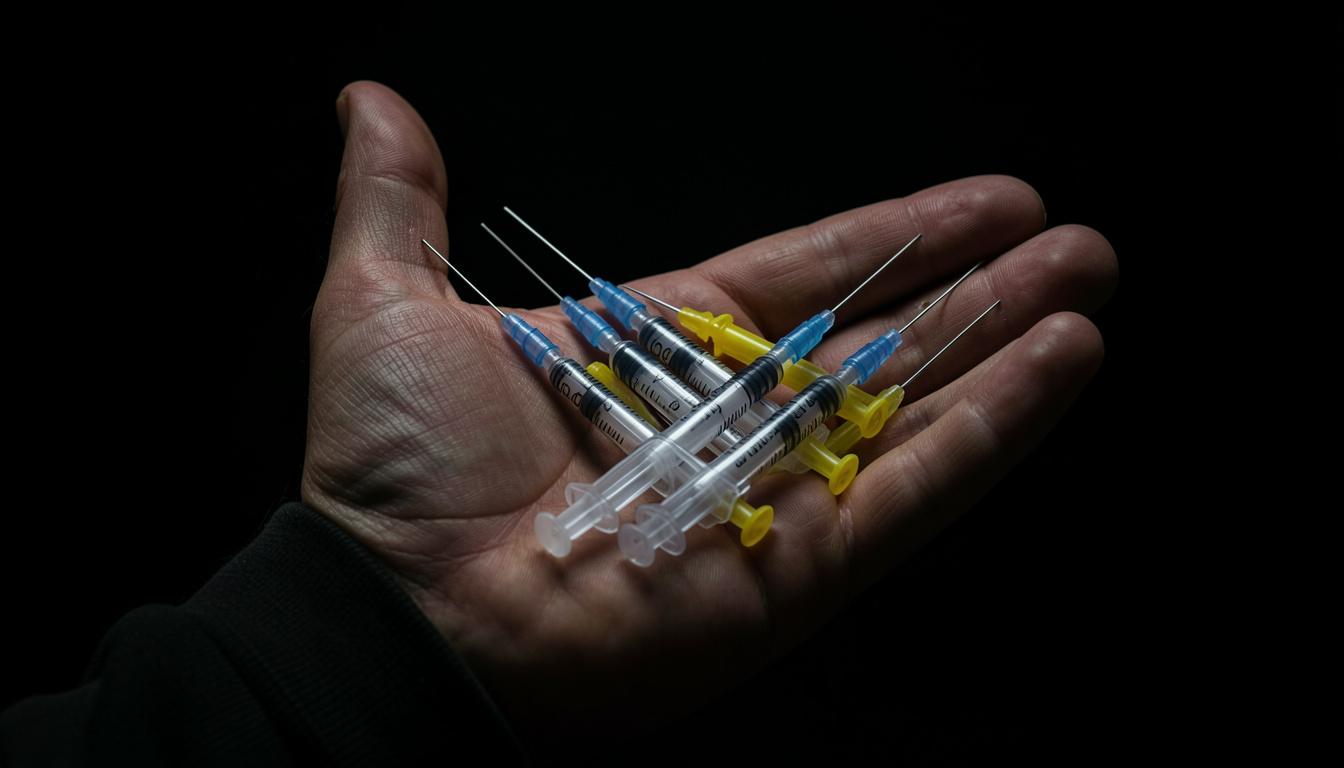
If you've been charged with a drug offense in Pennsylvania, you're probably hearing a lot of legal terms that aren't easy to make sense of. One of the biggest points of confusion is the difference between simple possession and possession with intent to deliver (PWID).
At first glance, they may sound like the same charge. They're not.
The biggest difference is that a PWID charge goes beyond simply having drugs. Prosecutors also have to show that the drugs were intended to be sold or delivered to someone else. That extra allegation can make a significant difference in how a case is handled and the potential penalties involved.
What Is Simple Drug Possession?
Simple possession generally means knowingly having a controlled substance without legal authorization, such as a valid prescription.
That sounds simple enough, but possession isn't always as obvious as drugs being found in someone's pocket.
Under Pennsylvania law, possession can be either actual or constructive.
Actual possession is exactly what it sounds like. If drugs are found in your pocket, your purse, or something you're carrying, prosecutors may argue that you actually possessed them.
Constructive possession is a little more complicated. It means someone doesn't have to be physically holding the drugs to face a possession charge. Instead, prosecutors may argue that the person had both the ability and the intent to control the drugs based on where they were found and the surrounding circumstances.
For example, if drugs are discovered inside a car or a shared home, one of the questions may be whether a particular person had control over them.
In a simple possession case, that's really what the case comes down to whether the prosecution can prove that the person knowingly possessed the controlled substance. They don't have to prove that the drugs were meant to be sold or shared with anyone else.
If you've been arrested on a possession charge, talking with an experienced drug crime lawyer can help you understand what the Commonwealth has to prove and what defenses may be available.
What Is Possession With Intent to Deliver (PWID)?
PWID is different because it adds
another layer to the case.
Instead of simply claiming someone possessed a controlled substance, the prosecution alleges that the person possessed it with the intent to manufacture or deliver it.
That may sound like a small difference, but legally it's a big one.
It's no longer enough for prosecutors to show that someone had drugs. They also have to convince the court that the surrounding facts suggest those drugs were intended for distribution instead of personal use.
Since no one can literally see another person's intent, prosecutors usually rely on circumstantial evidence rather than direct proof.
How Is Intent Proven?
In many PWID cases, there isn't a recorded drug sale or a statement where someone admits they planned to sell drugs.
Instead, prosecutors look at the overall picture.
Depending on the circumstances, they may point to things like:
-
The amount of the controlled substance
-
Whether the drugs were separated into multiple packages
-
Digital scales or measuring devices
-
Large amounts of cash
-
Cell phones or messages they believe relate to drug transactions
-
Drug paraphernalia
-
Statements made during the investigation
-
The person's actions before or during the arrest
Sometimes prosecutors also use expert witnesses to explain why certain evidence is commonly associated with drug distribution.
That said, it's important not to jump to conclusions. None of these factors automatically proves someone intended to deliver drugs.
A person isn't guilty simply because police found cash, multiple bags, or a larger quantity of a controlled substance. The prosecution still has to prove every element of the offense beyond a reasonable doubt.
What's the Biggest Difference Between Possession and PWID?
The easiest way to think about it is this:
For simple possession, prosecutors must prove that someone knowingly possessed a controlled substance without legal authorization.
For PWID, they have to prove that and show the person intended to manufacture or deliver the drugs.
That additional element is what separates the two offenses.
Imagine police find a small amount of a controlled substance in someone's jacket pocket. The case may simply focus on whether that person knowingly possessed the drugs.
Now imagine officers find individually packaged drugs, digital scales, empty baggies, and a large amount of cash. Prosecutors may argue that those circumstances point toward distribution instead of personal use.
Even then, that doesn't automatically mean someone is guilty of PWID. Those facts are only part of the case, and the prosecution still has the burden of proving intent.
Why Does the Difference Matter?
This isn't just a technical legal distinction.
PWID is generally considered a more serious offense because it involves allegations of drug distribution. Depending on the type of controlled substance involved and the facts of the case, certain PWID charges may carry felony penalties, substantial fines, and lengthy prison sentences.
Simple possession can also lead to serious consequences, but it doesn't require prosecutors to prove an intent to distribute.
That's why it's important not to assume that every drug possession charge is the same. The specific charge can affect the evidence presented, the legal issues involved, and the possible outcome of the case.
Common Questions About PWID
Does having a large quantity automatically mean it's PWID?
No. The amount of drugs involved can be important, but it's only one piece of the puzzle. Courts generally look at all of the surrounding circumstances rather than relying on a single fact.
Does separate packaging automatically prove someone intended to sell drugs?
No. Packaging can be considered as evidence, but it doesn't automatically establish intent. The court looks at the complete picture before deciding whether the evidence supports a PWID charge.
Does there have to be an actual drug sale?
Not necessarily. Pennsylvania law prohibits possessing a controlled substance with the intent to deliver it. That means prosecutors don't have to prove a completed sale if they believe the available evidence shows an intent to distribute.
What Should You Do After a Drug Charge?
If you've been charged with simple possession or PWID, try not to assume you already know how the case will turn out. Every case is different, and small details can make a big difference.
The type of controlled substance, the amount involved, where it was found, and how police collected the evidence can all become important issues.
It's usually a good idea to keep copies of your paperwork, avoid discussing the case on social media or with people who don't need to know about it, and speak with a Pennsylvania criminal defense attorney as soon as possible. An attorney can explain the charges, review the evidence, and help you understand your legal options.
The Bottom Line
Simple possession and possession with intent to deliver may sound similar, but they're two different offenses under Pennsylvania law.
Simple possession is about whether someone knowingly possessed a controlled substance. PWID requires prosecutors to go one step further by proving the person intended to manufacture or deliver it.
Because intent is often based on the surrounding circumstances rather than direct evidence, these cases can quickly become more complicated than people expect. If you're facing either charge, understanding what prosecutors have to prove and getting legal advice early can help you make informed decisions about what comes next.

 English
 Arabic
 French
 Portuguese
 Deutsch
 Turkish
 Dutch
Dutch
 Italiano
 Russian
 Romaian
 Portuguese (Brazil)
 Greek
Greek
