


Industrial Fans Canada: How to Select the Right Ventilation Solution for Your Facility
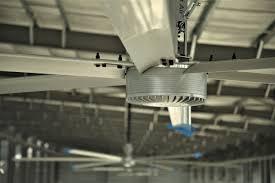
Proper ventilation is essential for maintaining a safe, productive, and energy-efficient workplace. Whether you operate a warehouse, manufacturing plant, agricultural facility, distribution centre, or commercial building, choosing the right industrial fan can significantly improve airflow, indoor air quality, and employee comfort. Canada's diverse climate—from freezing winters to hot, humid summers—makes selecting the appropriate ventilation solution even more important.
This guide explains how to choose the right industrial fans in Canada and the key factors to consider before investing in a ventilation system.
Why Industrial Fans Are Essential for Canadian Facilities
Industrial fans are designed to move large volumes of air efficiently, helping regulate temperatures, remove contaminants, and improve ventilation in demanding environments. Unlike standard commercial fans, industrial fans are built to withstand continuous operation in harsh industrial conditions.
Benefits of industrial fans include:
- Improved airflow throughout large spaces
- Enhanced employee comfort and productivity
- Reduced heat buildup around equipment
- Better indoor air quality
- Lower humidity and moisture levels
- Reduced HVAC energy consumption
- Improved workplace safety
- Extended equipment lifespan
For Canadian businesses, industrial fans also help distribute heated air during winter and improve cooling efficiency during warmer months.
Assess Your Facility's Ventilation Needs
Before selecting an industrial fan, evaluate your building's specific ventilation requirements.
Consider the following:
Facility Size
Large warehouses and manufacturing plants require fans capable of moving significant volumes of air, while smaller workshops may benefit from localized airflow solutions.
Ceiling Height
Buildings with high ceilings often perform best with High Volume Low Speed (HVLS) ceiling fans that circulate air evenly across expansive spaces.
Industry Requirements
Different industries have unique ventilation needs.
Examples include:
- Manufacturing facilities requiring heat removal
- Agricultural buildings needing humidity control
- Automotive shops requiring fume extraction
- Food processing plants requiring sanitary airflow
- Distribution centres needing year-round temperature consistency
Heat and Equipment
Facilities with machinery, welding stations, furnaces, or production equipment generate excess heat that requires powerful air circulation.
Air Quality Concerns
If your operations produce dust, smoke, vapours, or airborne particles, consider industrial exhaust fans designed to remove contaminants safely.
Types of Industrial Fans Available in Canada
Understanding the different fan types helps you choose the most effective solution.
HVLS Ceiling Fans
HVLS (High Volume Low Speed) fans are ideal for:
- Warehouses
- Manufacturing facilities
- Aircraft hangars
- Sports complexes
- Agricultural buildings
Advantages include:
- Large-area airflow
- Reduced heating and cooling costs
- Improved employee comfort
- Quiet operation
- Energy efficiency
Axial Fans
Axial fans move air parallel to the fan shaft and are commonly used for:
- General ventilation
- Cooling equipment
- Warehouse airflow
- Exhaust systems
They provide high airflow with relatively low pressure.
Centrifugal Fans
Centrifugal fans generate higher pressure and are ideal for:
- Dust collection systems
- Industrial ventilation
- Air filtration
- Chemical processing
- HVAC systems
These fans perform well in environments with ductwork or air resistance.
Wall-Mounted Fans
Wall-mounted industrial fans save floor space while delivering targeted airflow.
Common applications include:
- Workshops
- Production lines
- Loading docks
- Maintenance areas
Drum Fans
Drum fans produce concentrated, high-powered airflow for:
- Drying floors
- Cooling workstations
- Warehouse ventilation
- Construction projects
Exhaust Fans
Industrial exhaust fans remove:
- Hot air
- Smoke
- Fumes
- Moisture
- Dust
They are essential in facilities where contaminated air must be safely exhausted.
Calculate the Required Airflow (CFM)
One of the most important specifications is CFM (Cubic Feet per Minute), which measures the amount of air a fan moves.
The required airflow depends on:
- Building dimensions
- Ceiling height
- Heat-generating equipment
- Occupancy levels
- Ventilation requirements
Selecting the correct CFM ensures efficient air circulation without unnecessary energy consumption.
Consider Canada's Climate
Canada's weather varies dramatically throughout the year, making ventilation systems work harder than in many other regions.
Winter Benefits
Industrial fans help:
- Recirculate warm air trapped near ceilings
- Improve heating efficiency
- Reduce heating costs
- Eliminate temperature stratification
Summer Benefits
During warmer months, industrial fans:
- Increase air movement
- Reduce heat stress
- Improve worker comfort
- Support air conditioning systems
- Lower cooling expenses
Choosing fans that perform effectively year-round provides greater value.
Focus on Energy Efficiency
Modern industrial fans are engineered to reduce operating costs while maintaining high performance.
Look for features such as:
- Energy-efficient motors
- Variable speed controls
- Direct-drive systems
- Smart automation
- EC (Electronically Commutated) motors
Lower energy consumption translates into long-term cost savings for Canadian businesses.
Choose Durable Construction
Industrial fans should withstand demanding environments and continuous operation.
Look for:
- Heavy-duty steel frames
- Aluminum blades
- Corrosion-resistant finishes
- Stainless steel options for food-grade environments
- Sealed bearings
- Weather-resistant motors
Durable construction reduces maintenance and extends equipment lifespan.
Prioritize Workplace Safety
Industrial fans should include safety features that meet workplace standards.
Recommended features include:
- Protective safety guards
- Thermal overload protection
- Secure mounting systems
- Enclosed motors
- OSHA-compliant designs
- Automatic shutoff protection
Reliable safety features help protect employees and equipment.
Installation Considerations
Proper installation directly impacts fan performance.
Before purchasing, evaluate:
- Ceiling height
- Structural support
- Available electrical supply
- Mounting locations
- Ventilation layout
- Accessibility for maintenance
Professional installation ensures maximum airflow efficiency and long-term reliability.
Maintenance Best Practices
Routine maintenance helps maintain peak performance.
Maintenance should include:
- Cleaning blades regularly
- Inspecting electrical components
- Checking motor operation
- Tightening mounting hardware
- Lubricating moving parts where required
- Replacing worn bearings or belts
Preventive maintenance minimizes downtime and extends equipment life.
Selecting the Right Fan for Your Industry
Different industries require different ventilation solutions.
Warehouses
Recommended fans:
- HVLS ceiling fans
- Drum fans
- Exhaust fans
Manufacturing Plants
Recommended fans:
- Axial fans
- Centrifugal fans
- Exhaust systems
Agriculture
Recommended fans:
- Barn ventilation fans
- Greenhouse circulation fans
- Corrosion-resistant industrial fans
Food Processing
Recommended fans:
- Stainless steel washdown fans
- Low-noise ventilation systems
- Hygienic air circulation equipment
Automotive Facilities
Recommended fans:
- Exhaust fans
- Portable drum fans
- Wall-mounted fans
Common Mistakes to Avoid
Avoid these common purchasing errors:
- Choosing a fan based only on price
- Ignoring airflow requirements
- Selecting the wrong fan type
- Overlooking energy efficiency
- Neglecting future expansion plans
- Skipping professional installation
- Failing to perform regular maintenance
Making an informed decision helps maximize your investment.
Benefits of Choosing the Right Industrial Fan
Selecting the right ventilation solution offers numerous long-term advantages:
- Improved indoor air quality
- Better temperature control
- Increased employee comfort
- Higher productivity
- Lower heating and cooling costs
- Reduced equipment overheating
- Enhanced workplace safety
- Greater energy efficiency
- Longer HVAC lifespan
- Reduced maintenance expenses
Final Thoughts
Choosing the right industrial fans canada is an investment in your facility's safety, efficiency, and long-term performance. By evaluating your building's size, ventilation needs, climate conditions, airflow requirements, and industry-specific challenges, you can select an industrial fan that delivers reliable performance throughout every season.
Whether you need an HVLS ceiling fan for a Canadian warehouse, an exhaust fan for a manufacturing plant, or a specialized ventilation solution for agriculture or food processing, the right industrial fan will improve airflow, reduce energy costs, and create a healthier, more productive working environment.

 English
 French
 Spanish
 Portuguese
 Deutsch
 Turkish
 Dutch
Dutch
 Italiano
 Russian
 Romaian
 Portuguese (Brazil)
 Greek
Greek
