


What Does Storage Unit Insurance Cover? A Complete Guide to Protecting Your Belongings
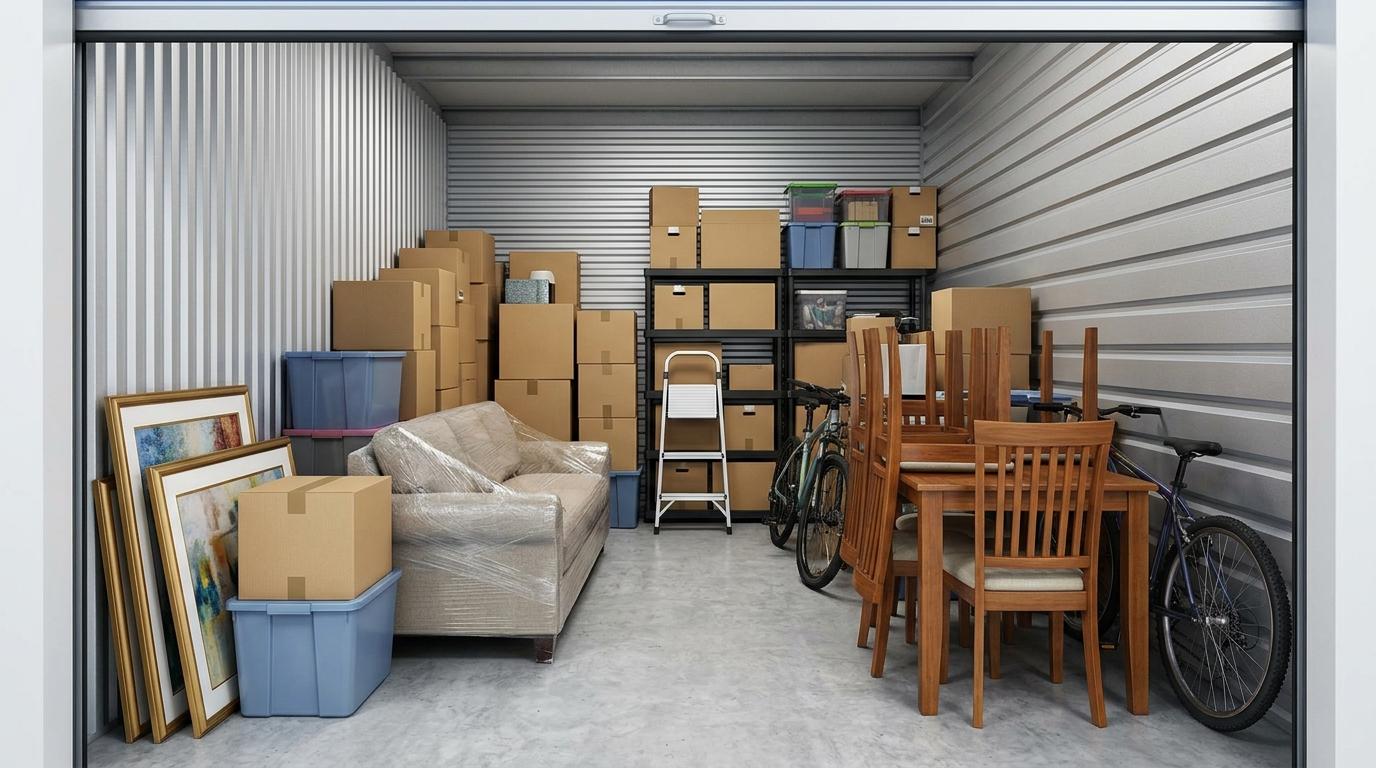
A storage unit can hold furniture, electronics, clothing, appliances, documents, tools, and many other possessions that would be expensive to replace after an unexpected loss. Understanding Insurance For Items In Storage can help you determine what protection may be available for belongings kept outside your home. Storage insurance is generally designed to provide financial protection for eligible losses rather than every type of damage that can occur. Before choosing coverage, it is important to understand covered events, exclusions, limits, deductibles, and the types of property included.
What Storage Unit Insurance Is Designed to Protect
Storage unit insurance is intended to protect eligible personal property kept inside a rented storage facility against specific covered causes of loss. The exact protection depends on the policy, but coverage may address risks such as theft, fire, vandalism, and certain types of weather-related damage. The purpose is to reduce the financial impact of an unexpected event that results in the loss or damage of insured belongings.
This type of protection is particularly useful when a storage unit contains possessions that would be difficult or expensive to replace. A renter may have an entire household stored away during a move, renovation, relocation, or downsizing project. Having appropriate coverage can provide greater financial confidence while those belongings remain outside the home.
Theft and Unauthorized Removal
Theft is one of the risks many storage renters think about when considering insurance. Even facilities with gates, cameras, alarms, lighting, and controlled access can experience security incidents, which is why renters should understand how their personal property is protected. If theft is a covered cause of loss under the policy, eligible stolen belongings may be considered for reimbursement subject to the applicable terms.
A claim involving theft may require evidence showing that the missing possessions belonged to you. Photographs, receipts, serial numbers, purchase records, and an up-to-date inventory can therefore be valuable. If belongings disappear from a storage unit, report the incident promptly to the facility and law enforcement when appropriate, then follow the insurer's claim instructions.
Fire Damage
Fire can cause extensive damage to a storage unit and its contents within a short period. Furniture, clothing, electronics, documents, appliances, and other possessions can be destroyed even when they were packed and stored carefully. Depending on the policy, fire may be one of the covered causes of loss for eligible stored property.
Coverage does not mean every fire-related situation will automatically result in payment. The policy will determine the applicable limits, deductible, exclusions, and conditions that affect a claim. Reviewing these details before a loss occurs can help you understand what protection is actually available.
Vandalism and Deliberate Damage
Storage units can sometimes be affected by deliberate acts of damage or unauthorized access. Vandalism may involve broken locks, damaged doors, destroyed possessions, or other intentional property damage. If vandalism is included as a covered event, eligible damage to insured belongings may qualify for protection according to the policy.
Document the condition of the unit carefully if you discover signs of vandalism. Take photographs before making unnecessary changes and notify the storage facility as soon as possible. If the incident appears to involve criminal activity, a police report may also become relevant to the insurance claim.
Certain Weather-Related Losses
Weather can create risks for property kept in storage, although the exact protection depends on the policy. Some policies may cover particular weather-related events while excluding others or applying specific conditions. This means renters should avoid assuming that every type of storm or natural event is automatically included.
The location of the storage facility can make certain risks more relevant than others. If severe weather is common in the area, review the policy carefully and identify any exclusions that could affect your belongings. Understanding these details can help you determine whether the available protection matches the risks associated with your storage location.
What About Water Damage?
Water damage can be more complicated because different sources of water may receive different treatment under an insurance policy. Damage caused by certain covered events may be eligible for protection, while flooding, seepage, condensation, or other sources can be excluded or subject to special conditions. The wording of the policy is therefore particularly important when evaluating water-related risks.
Don't assume that a policy covering one type of water damage automatically covers every situation involving moisture. If your belongings include furniture, documents, electronics, or other items that are highly vulnerable to water, ask the insurer how these risks are handled. Taking preventive measures inside the unit can also help reduce avoidable exposure.
Protection for Furniture and Household Goods
Storage units are often used to hold household furniture and everyday possessions during moves or home projects. Sofas, beds, tables, chairs, wardrobes, appliances, televisions, kitchen equipment, and clothing can represent a significant combined value. If these belongings are affected by a covered event, the applicable policy may provide financial protection subject to its terms.
However, proper storage remains important even when insurance is in place. Furniture should be cleaned and prepared appropriately, fragile belongings should be packed securely, and moisture-sensitive items should be stored with suitable precautions. Insurance and careful storage practices serve different purposes and should work together rather than being treated as alternatives.
Electronics and Other Valuable Equipment
Computers, televisions, cameras, gaming systems, monitors, and other electronics can represent a substantial portion of a storage unit's value. These items should be documented carefully before storage, including recording serial numbers and taking photographs. Depending on the policy, eligible losses involving electronics may be covered when they result from a covered event.
High-value equipment may also be subject to specific limits or conditions. If one expensive item represents a significant percentage of your total stored property, check how the policy treats that category before relying on the general coverage limit. This can help you identify potential gaps before they become a problem.
Personal Belongings May Have Limits
Clothing, books, decorations, household goods, sports equipment, tools, and other everyday possessions can all add up to a considerable replacement cost. A storage policy may provide protection for eligible personal belongings, but special limits can apply to particular categories. The total policy limit should therefore not be viewed as a guarantee that every item is covered for its full individual value.
Create an inventory and separate ordinary possessions from high-value items when reviewing your coverage. This approach makes it easier to determine whether the overall limit is reasonable and whether any specific category needs additional attention. It also gives you better documentation if you ever need to submit a claim.
What Is Usually Excluded?
Understanding what isn't covered can be just as important as knowing what is. Policies can exclude risks such as gradual deterioration, normal wear and tear, certain forms of moisture damage, pest infestation, and other conditions depending on the wording. Certain valuable items, business property, cash, or specialized possessions may also have restrictions or exclusions.
Never rely solely on a general description of storage insurance when making your decision. Read the exclusions and limitations in the policy and ask questions about anything that is unclear. Knowing these restrictions beforehand can help you avoid expecting reimbursement for a situation the policy was never designed to cover.
The Importance of Coverage Limits
Every policy has limits that determine how much the insurer may pay for eligible losses. The appropriate limit should be based on the replacement value of the belongings you keep in the unit rather than simply choosing the cheapest available option. Underestimating the value of your possessions can leave you financially responsible for a significant portion of the loss.
Start by listing the major items in your storage unit and estimating their current replacement costs. Add those amounts together and compare the result with the available coverage limit. If you regularly add or remove possessions, review the total periodically so your estimate remains relevant.
Deductibles Affect Potential Claims
The deductible is another important part of understanding your coverage. Depending on the policy, you may be responsible for a specified amount of a covered loss before the insurer contributes toward the remaining eligible cost. A policy with a lower premium may have other terms that affect how much you would receive after a claim.
When comparing insurance options, consider the deductible alongside the coverage limit and exclusions. Think about how the deductible would affect you if a significant loss occurred. Reviewing these figures together provides a clearer picture than comparing monthly premiums alone.
Your Existing Renters or Homeowners Insurance
Some renters may already have protection for personal belongings stored away from their primary residence through an existing homeowners or renters policy. However, off-premises limits and other restrictions can apply, meaning the protection available for stored belongings may be lower than the overall personal property limit. The policy may also treat certain causes of loss or categories of belongings differently.
Before purchasing additional coverage, check the terms of your existing insurance. Find out how much protection applies to property stored outside the home and whether that amount is sufficient for the contents of your unit. If there is a meaningful gap, comparing dedicated storage contents coverage may be worthwhile.
The Storage Facility Is Not Your Insurer
A storage facility may provide security measures and maintain the physical premises, but that does not automatically mean it provides insurance for your belongings. The rental agreement can define the facility's responsibilities and may contain limitations concerning personal property. Your insurance policy operates separately and determines whether an eligible loss can be reimbursed.
Read both documents so you understand the difference between facility responsibility and insurance protection. If a loss occurs, you may need to report the incident to the facility as well as your insurer. Keeping records of communications with both parties can be useful if questions arise later.
Business Items Need Separate Consideration
Storage units are sometimes used by businesses to hold equipment, inventory, tools, documents, displays, or office furniture. Commercial property may not receive the same treatment as personal belongings under a household insurance policy. Business owners should therefore review their commercial insurance arrangements before assuming their stored assets are protected.
Make a separate inventory for company property and identify its approximate value. Check whether your business policy extends to property stored at an off-site facility and whether any limits apply. Addressing this before a loss can prevent confusion about which policy should respond.
Keep Proof of What You Own
Documentation is an important part of protecting stored belongings. Photograph valuable possessions, keep receipts and invoices when available, record serial numbers for electronics and equipment, and maintain an updated inventory. Store copies somewhere outside the storage unit so they remain accessible if the facility becomes unavailable.
Good records can help demonstrate ownership and establish the approximate value of property after an incident. They can also make it easier to identify missing items if theft occurs. Taking these steps before a problem happens is considerably easier than trying to reconstruct the contents of a storage unit afterward.
Final Thoughts
Understanding what storage unit insurance covers requires more than looking at the headline coverage amount. You need to consider covered events, exclusions, limits, deductibles, valuable possessions, and the location of the property. Insurance For Items In Storage can provide useful financial protection for eligible losses, but the actual benefits depend on the specific terms of the policy.
Before choosing coverage, create an inventory and estimate the replacement value of your belongings. Review any existing homeowners or renters insurance, compare available storage protection, and pay particular attention to exclusions and special limits. Taking time to understand the policy before your belongings enter storage can help you make a more informed decision and avoid unexpected gaps in protection.

 English
 Arabic
 Spanish
 Portuguese
 Deutsch
 Turkish
 Dutch
Dutch
 Italiano
 Russian
 Romaian
 Portuguese (Brazil)
 Greek
Greek
