


Common Tick Problems and How to Prevent Them
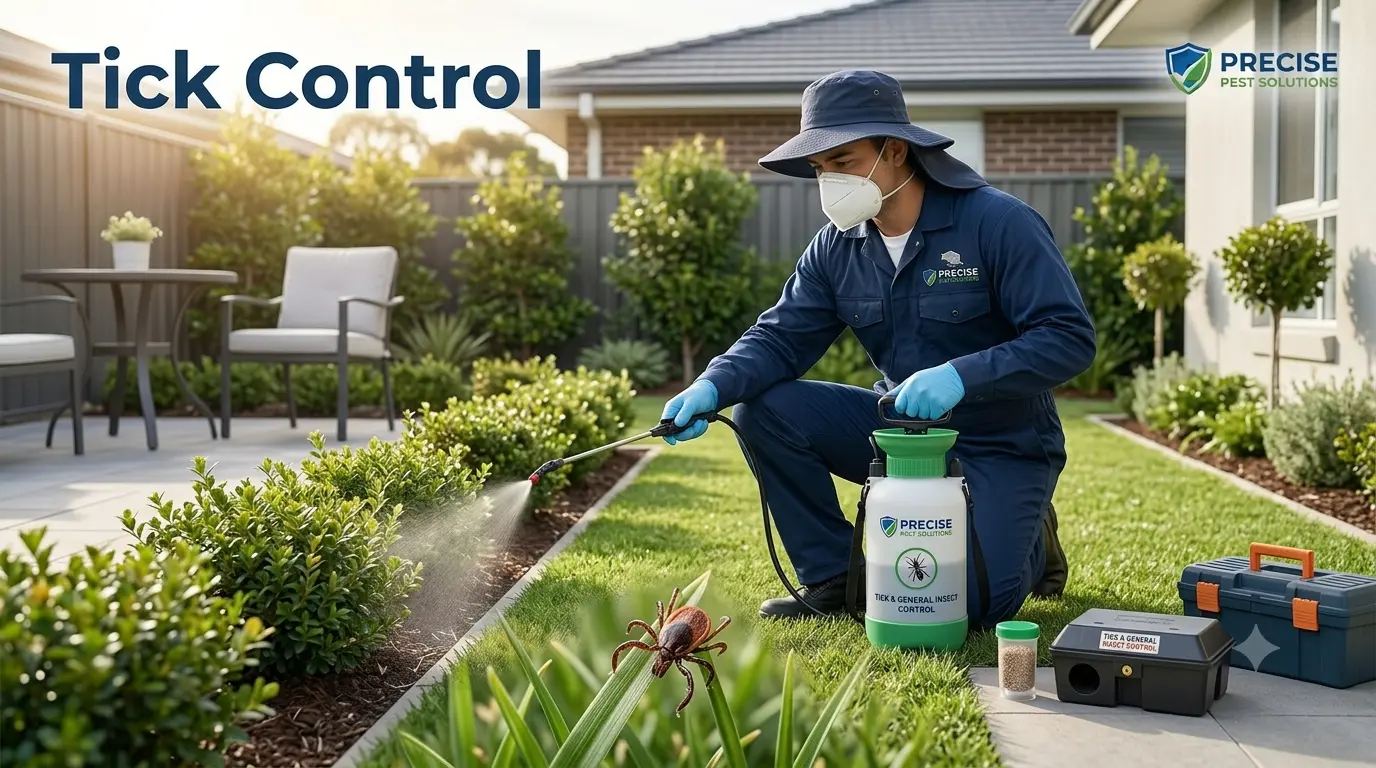
Ticks are small parasitic pests that can become a concern for homeowners, businesses, pets, and outdoor areas. They commonly thrive in grassy, wooded, and overgrown environments where they can find suitable hosts. Professional Tick Control services can help identify areas of tick activity, reduce favorable habitats, and implement effective prevention strategies. Understanding common tick problems and taking preventive measures can make outdoor spaces safer and reduce the chances of tick encounters.
Understanding Ticks and Their Behavior
Ticks are arachnids rather than insects, and they survive by feeding on the blood of animals and, in some cases, humans. Different tick species prefer different habitats and hosts, but many are commonly found in areas with tall grass, leaf litter, dense vegetation, and shaded environments.
Ticks do not typically fly or jump. Instead, many species wait on vegetation and attach themselves to passing hosts. This behavior makes properties with unmanaged landscaping and wildlife activity more susceptible to tick encounters.
Common tick species include:
-
Deer ticks
-
American dog ticks
-
Brown dog ticks
-
Lone star ticks
-
Rocky Mountain wood ticks
Because different species have different behaviors and habitat preferences, identifying the type of tick can help determine appropriate control measures.
Common Problems Caused by Tick Infestations
Ticks can create several challenges for residential and commercial properties. Their presence is particularly concerning in areas where people and pets spend significant amounts of time outdoors.
Tick Bites
The most immediate concern is a tick bite. Ticks can remain attached to a host for extended periods while feeding. Regularly checking the body after spending time outdoors can help identify attached ticks early.
Pet Exposure
Dogs and other outdoor pets can encounter ticks while walking through grass, shrubs, or wooded areas. Ticks may attach to a pet and later be carried into the home.
Pet owners should regularly inspect their animals, particularly after outdoor activities.
Increased Tick Activity Around Landscaping
Overgrown vegetation, leaf piles, brush, and unmanaged garden areas can create favorable conditions for ticks. Properties with extensive landscaping may require regular maintenance to reduce potential tick habitat.
Wildlife-Related Tick Problems
Wildlife such as deer, rodents, raccoons, and other animals can contribute to tick activity by serving as hosts. Properties located near wooded areas may therefore experience greater exposure.
Where Ticks Commonly Hide
Ticks are often associated with areas where vegetation provides shade and moisture.
Potential tick habitats include:
-
Tall grass
-
Leaf litter
-
Dense shrubs
-
Wooded areas
-
Brush piles
-
Garden edges
-
Overgrown pathways
-
Areas around fences
-
Places frequently visited by wildlife
Regularly inspecting these areas can help identify conditions that may encourage tick activity.
Keep Grass and Vegetation Trimmed
One of the simplest ways to reduce potential tick habitat is to maintain landscaping.
Keep grass trimmed and avoid allowing vegetation to become excessively dense around frequently used outdoor areas. Trim shrubs and plants near walkways, patios, play areas, and building entrances.
Creating a well-maintained boundary between lawns and wooded areas can also help reduce direct contact with tick-friendly vegetation.
Remove Leaf Litter and Yard Debris
Ticks can thrive in areas containing accumulated leaves, branches, and organic debris.
Regularly remove:
-
Fallen leaves
-
Grass clippings
-
Brush
-
Dead vegetation
-
Branch piles
Keeping outdoor areas clean and maintained can reduce suitable hiding places for ticks.
Create a Tick-Resistant Landscape
Strategic landscaping can help minimize tick exposure. Frequently used areas such as patios, playgrounds, and recreational spaces should be kept away from dense vegetation whenever possible.
A clear, maintained transition between lawns and wooded areas can make it easier to monitor and manage tick activity.
Manage Wildlife Activity
Wildlife can contribute to tick populations by carrying ticks onto residential and commercial properties.
To discourage wildlife activity:
-
Secure garbage containers
-
Avoid leaving pet food outdoors
-
Remove food scraps
-
Keep gardens maintained
-
Seal potential wildlife entry points
-
Reduce unnecessary shelter around structures
Managing wildlife attractants can indirectly help reduce tick exposure.
Protect Pets From Ticks
Pets can be exposed to ticks during walks, outdoor play, and visits to wooded areas. Regular inspection is therefore an important part of tick prevention.
Check areas such as:
-
Around the ears
-
Between toes
-
Around the neck
-
Under collars
-
Around the legs
-
Between the body and limbs
Pet owners should also discuss appropriate tick prevention products with a veterinarian based on the animal's needs.
Perform Regular Tick Checks
After spending time outdoors, check clothing, skin, and pets for ticks. Pay particular attention to areas where ticks can be difficult to notice.
Changing clothes after outdoor activities and checking gear can also help reduce the possibility of bringing ticks indoors.
Professional Tick Control
When tick activity becomes persistent, professional pest management can provide a more comprehensive approach.
A professional tick management program may include:
-
Property inspection – Identifying areas that may support tick activity.
-
Habitat assessment – Evaluating vegetation, moisture, and wildlife conditions.
-
Targeted treatment – Treating appropriate outdoor areas when necessary.
-
Preventive recommendations – Improving landscaping and reducing tick-friendly conditions.
-
Monitoring – Evaluating activity over time and adjusting management strategies.
Professional Tick Control services can be especially useful for larger properties, areas with recurring tick activity, or locations near wooded and heavily vegetated environments.
Integrated Pest Management for Ticks
Integrated Pest Management (IPM) combines environmental management, monitoring, prevention, and targeted pest control.
For tick management, an IPM approach may include:
-
Regular property inspections
-
Landscaping maintenance
-
Wildlife management
-
Habitat modification
-
Monitoring tick activity
-
Targeted professional treatments
The goal is not simply to treat ticks after they appear but to reduce the environmental conditions that allow them to thrive.
Protect Outdoor Recreation Areas
Properties with playgrounds, parks, recreational spaces, or outdoor seating should receive particular attention.
Keep recreational areas maintained and remove dense vegetation around places where people frequently spend time. Regular inspections can also help identify potential tick habitats before they become a larger concern.
Businesses with outdoor areas should incorporate tick prevention into their overall property maintenance program.
Seasonal Tick Activity
Tick activity can vary depending on species, temperature, humidity, and local environmental conditions. In many regions, activity increases during warmer months, although some ticks can remain active during cooler periods.
Because seasonal activity varies, relying only on a particular time of year for prevention may not be sufficient. Regular property maintenance and awareness are useful throughout the year.
Common Tick Prevention Mistakes
Some property owners unintentionally create conditions that encourage tick activity.
Common mistakes include:
-
Allowing grass to become overgrown
-
Leaving leaf piles around the property
-
Maintaining dense vegetation near walkways
-
Ignoring wildlife activity
-
Failing to inspect pets
-
Neglecting wooded property boundaries
-
Waiting until tick activity becomes severe
Addressing these issues early can make tick management more effective.
When to Consider Professional Tick Management
Professional assistance may be appropriate when tick activity continues despite regular landscaping and preventive efforts.
Consider contacting a pest management professional if you notice:
-
Frequent ticks around the property
-
Increased tick encounters among family members
-
Repeated tick exposure in pets
-
Heavy vegetation near recreational areas
-
Persistent activity near wooded boundaries
-
Ticks appearing around outdoor structures
A professional inspection can help determine where ticks are most likely concentrated and what management measures may be appropriate.
Long-Term Tick Prevention
Long-term tick prevention requires a combination of property maintenance, personal awareness, pet protection, and environmental management.
Homeowners should keep lawns maintained, remove leaf litter, manage shrubs, reduce wildlife attractants, and regularly inspect pets. Businesses and property managers should incorporate tick inspections into routine landscape maintenance.
For properties with persistent activity, professional Tick Control services can complement these preventive measures by providing targeted assessment and treatment options.
Conclusion
Ticks can become a persistent outdoor pest problem when properties provide suitable vegetation, moisture, wildlife hosts, and shelter. However, effective prevention is possible through consistent landscaping, habitat modification, pet inspections, wildlife management, and personal awareness.
Maintaining short grass, removing leaf litter, reducing dense vegetation, and monitoring high-risk areas can help make properties less attractive to ticks. When activity remains persistent, professional tick management can provide additional support.
By combining preventive practices with professional Tick Control services, homeowners and businesses can better manage tick-prone environments and create safer, more comfortable outdoor spaces.

 English
 Arabic
 French
 Spanish
 Portuguese
 Deutsch
 Turkish
 Dutch
Dutch
 Italiano
 Russian
 Romaian
 Portuguese (Brazil)
