


Wedding Jewellery Guide: How to Choose Bridal Jewellery with Confidence
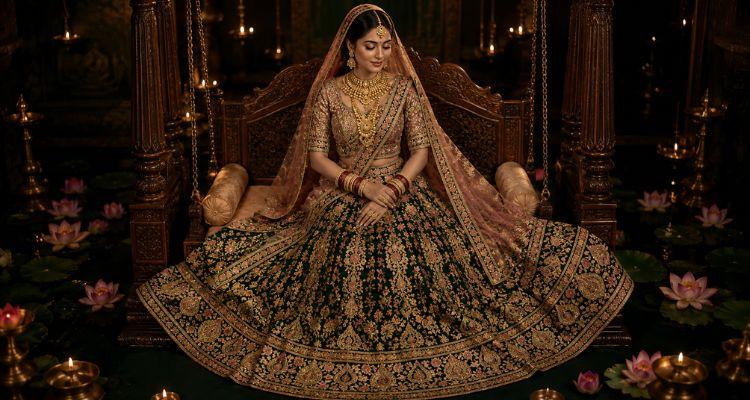
A wedding jewellery purchase rarely feels like an ordinary shopping decision. For a bride and her family, each piece can carry tradition, family expectations, personal taste, and a significant financial commitment.
That is why choosing jewellery only because it looks beautiful in a showroom can become complicated later. A necklace may suit the lehenga but feel too heavy after several hours. A traditional set may photograph beautifully but remain untouched after the wedding.
A useful wedding jewellery guide therefore needs to look beyond appearance. Gold purity, craftsmanship, comfort, budget, proportions, and long-term wear all deserve attention before a final decision is made.
The right collection does not necessarily contain the largest necklace or the greatest number of pieces. It is usually the one where everything feels considered.
Start With the Wedding Outfit, Not the Jewellery Counter
The outfit gives the jewellery its visual context. A heavily embroidered lehenga already has considerable detail, while a simpler saree can accommodate more elaborate jewellery.
Colour matters as well. Traditional yellow gold can create a warm contrast against deep reds, greens, maroons, and jewel-toned fabrics. Some bridal outfits, particularly contemporary designs, may call for a more restrained gold finish or jewellery with coloured stones.
The neckline should also be considered before selecting a necklace. A broad necklace can work beautifully with an open neckline, while a more structured neckline may need a shorter or lighter design.
This is one reason brides often benefit from finalising the lehenga or saree before buying the main bridal jewellery. The jewellery should complete the outfit rather than compete with it.
Decide Which Pieces Actually Belong in the Bridal Set
A wedding jewellery collection can become large very quickly. Necklace sets, earrings, maang tikka, bangles, kada, rings, waist jewellery, anklets, and other traditional pieces all have their place, but not every bride needs every piece.
The necklace usually establishes the visual character of the bridal look. A statement necklace may be appropriate for the main ceremony, while a lighter design can be more practical for another function.
Earrings should be chosen with the necklace rather than separately. Large earrings paired with an equally elaborate necklace can make the upper half of the outfit feel crowded, especially when the lehenga already has heavy embroidery around the neckline.
Bangles and kada introduce another consideration: movement. A bride may spend hours sitting for rituals, greeting relatives, posing for photographs, and moving between ceremonies. Jewellery that looks beautiful but interferes with those movements can become frustrating.
A wedding jewellery guide should therefore begin with the actual wedding schedule. The number of ceremonies often matters more than the number of jewellery pieces available.
Understand Gold Purity Before Comparing Designs
Gold purity is one of the most important decisions in bridal jewellery, yet it is often treated as a technical detail. It should be discussed before comparing designs because purity affects the character and suitability of a piece.
22K gold is widely used for traditional Indian bridal jewellery because it combines high gold content with the strength needed for jewellery construction. BIS standards recognise 22K as 916 fineness, meaning 916 parts per thousand are gold.
24K gold has a higher purity but is softer and is generally less suited to intricate jewellery that needs structural strength. That does not make one purity universally better than another. The appropriate choice depends on the type of jewellery and how it will be used.
A bride buying a delicate heirloom piece should also understand how stones, settings, soldering, and other construction elements affect the finished item. Gold purity alone does not tell the complete story of craftsmanship.
When comparing pieces, ask for the purity, net gold weight, and construction details separately. It makes the comparison considerably clearer.
Keep the Budget Around the Collection, Not One Statement Piece
Wedding jewellery budgets often become difficult when the most expensive piece receives all the attention. A better approach is to consider the entire collection before deciding how much should go into the main necklace.
A bridal set may include jewellery for the wedding ceremony as well as the engagement, mehendi, reception, or other family functions. Buying one exceptionally elaborate necklace can leave little room for pieces that will actually be worn more frequently.
Making charges also deserve careful consideration. Two pieces with similar gold weight can have different final costs because craftsmanship, design complexity, stone setting, and labour can vary.
This does not mean that lower making charges automatically indicate better value. Intricate craftsmanship takes time, and a simpler design may cost less because it requires less work. The important point is understanding what is included in the final calculation.
A clear invoice should make the purchase easier to understand. Details such as the article description, net precious-metal weight, purity, and applicable charges should be documented rather than left to verbal explanation.
Think About Proportion, Especially With Heavy Bridal Outfits
Bridal jewellery should be proportionate to the bride, not simply to the scale of the wedding. A design that looks balanced on one person can feel overwhelming on another.
Face shape, hairstyle, neckline, height, and the volume of the outfit all influence how jewellery appears. Long earrings may visually lengthen the face, while broader earrings can create more width around the cheeks.
The same principle applies to necklaces. A very wide necklace can dominate a petite frame, while a narrow necklace may disappear against a heavily embellished lehenga.
The maang tikka requires similar consideration. It should sit comfortably within the hairstyle and complement the earrings and necklace without creating another competing focal point.
Trying the complete combination together is more useful than judging each piece separately. Bridal jewellery is ultimately seen as a collection, not as isolated objects displayed in individual boxes.
Do Not Treat Comfort as a Secondary Concern
Wedding ceremonies can last for hours. Jewellery that feels manageable for ten minutes inside a showroom can feel very different after an afternoon of rituals and photographs.
Earrings are particularly important because excessive weight can become uncomfortable over time. Necklaces also need to sit securely without pressing uncomfortably against the neck.
Bangles and kada should allow enough movement for ordinary gestures. A bride should be able to adjust her dupatta, hold a phone, greet relatives, and participate in rituals without constantly worrying about her jewellery.
Comfort does not require choosing plain jewellery. Detailed craftsmanship and comfort can coexist when the design, weight, sizing, and construction are considered properly.
A practical wedding jewellery guide therefore treats comfort as part of the design decision, not as something to solve after the purchase.
Check the Hallmark and Purchase Documentation
Authenticity deserves the same attention as design. Gold jewellery is a substantial purchase, and families should have clear information about what they are buying.
For hallmarked gold jewellery, the current BIS hallmark system includes the BIS Standard Mark, the purity or fineness indication, and a six-digit alphanumeric Hallmark Unique Identification number, commonly called HUID.
The HUID can be checked through the BIS CARE application using its verification feature. This provides an additional way for a buyer to verify information associated with a hallmarked gold article.
The invoice should also be retained carefully. BIS guidance states that buyers should receive authentic bills containing relevant details of the hallmarked article, including its description, net precious-metal weight, purity, and other applicable information.
These checks do not need to make the buying experience uncomfortable. They simply establish transparency before money changes hands, which is particularly important when the jewellery is intended to become part of a family's long-term collection.
Look Closely at Craftsmanship, Not Just Finish
A polished showroom display can make almost any jewellery piece look impressive. Craftsmanship becomes easier to judge when attention moves to the smaller details.
Examine how the necklace sits, how the clasp works, whether the links move properly, and whether the back of the piece has been finished carefully. Intricate bridal jewellery contains many small components, and construction quality affects how the piece performs over time.
Stone-set jewellery deserves additional attention. Stones should sit securely, and settings should not feel rough or unfinished against the skin.
Traditional craftsmanship can also influence how a piece ages. Some designs are intentionally detailed and ornate, while others use simpler forms that remain easier to wear with different outfits.
The most useful question is not simply whether a piece looks expensive. It is whether the craftsmanship justifies keeping it, wearing it, and eventually passing it to another generation.
Consider Whether the Jewellery Will Be Worn Again
A wedding can justify traditional jewellery, but that does not mean every piece needs to be designed exclusively for one day.
A broad bridal necklace may naturally remain reserved for major occasions. Earrings, bangles, rings, or a lighter necklace may have greater value in everyday family celebrations, festivals, anniversaries, and future weddings.
This distinction can influence the buying decision. A bride who expects to wear jewellery regularly may prefer versatile pieces that work with sarees, suits, and other traditional outfits.
There is also a practical family consideration. Bridal jewellery is often inherited, exchanged, redesigned, or worn by younger generations. Designs that retain a sense of balance and craftsmanship can remain relevant even as fashion changes.
Trends have their place, but wedding jewellery carries a different responsibility from seasonal fashion. Timeless design often gives a piece more opportunities to be worn.
Plan Jewellery Care Before the Wedding
Jewellery care should begin before the first ceremony. Pieces that are stored together without protection can develop scratches, tangles, or avoidable damage.
Gold jewellery should ideally be stored separately, particularly when pieces have different textures or stone settings. Soft-lined boxes and individual pouches can help reduce contact between pieces.
After wearing jewellery, it should be checked for visible residue, loose stones, or damaged clasps before being stored. Perfume, cosmetics, and other substances should also be kept away from jewellery whenever practical.
Older bridal pieces may eventually require professional inspection or repair. A small issue with a clasp or setting is easier to address before the jewellery is needed for another important occasion.
Good care protects the craftsmanship, but it also preserves something less measurable: the connection between the original wedding and the family members who continue to wear the jewellery later.
Give Yourself Enough Time to Compare
The final decision becomes harder when every jewellery appointment feels like the last opportunity. Bridal jewellery deserves enough time for comparison, adjustment, and reconsideration.
A bride may initially prefer an elaborate necklace and later realise that a lighter design suits the outfit better. Families may also discover that reallocating the budget creates a more balanced collection.
Photographs can help during this process, but they should not replace trying the jewellery on. Camera angles, lighting, hairstyle, and outfit details can change how a piece appears.
It is also useful to compare the complete cost rather than only the gold rate or displayed weight. Making charges, stones, craftsmanship, and other components can affect the final purchase considerably.
Taking time is not indecision. For a once-in-a-lifetime purchase, careful comparison is simply part of responsible buying.
Final Thoughts
The best wedding jewellery is rarely defined by a single feature. It is shaped by how well purity, craftsmanship, comfort, proportion, tradition, budget, and long-term use come together.
A bride should be able to look at her jewellery years later and still recognise why she chose it. The design may remind her of the wedding, while the craftsmanship allows it to remain part of family occasions long after the photographs have been stored away.
A thoughtful wedding jewellery guide is therefore less about following a fixed formula and more about asking better questions before purchasing. What suits the outfit? What feels comfortable? What represents the family's traditions? What quality is being paid for? What will still be meaningful years from now?
For families looking for experienced guidance through these decisions, Shaadinama helps brides and their families choose bridal jewellery with greater confidence, transparency, and attention to craftsmanship, keeping the focus on pieces that can remain meaningful beyond the wedding day.

 English
 Arabic
 French
 Spanish
 Portuguese
 Deutsch
 Turkish
 Dutch
Dutch
 Italiano
 Russian
 Portuguese (Brazil)
 Greek
Greek
