


How Does a Flight Booking API Work?
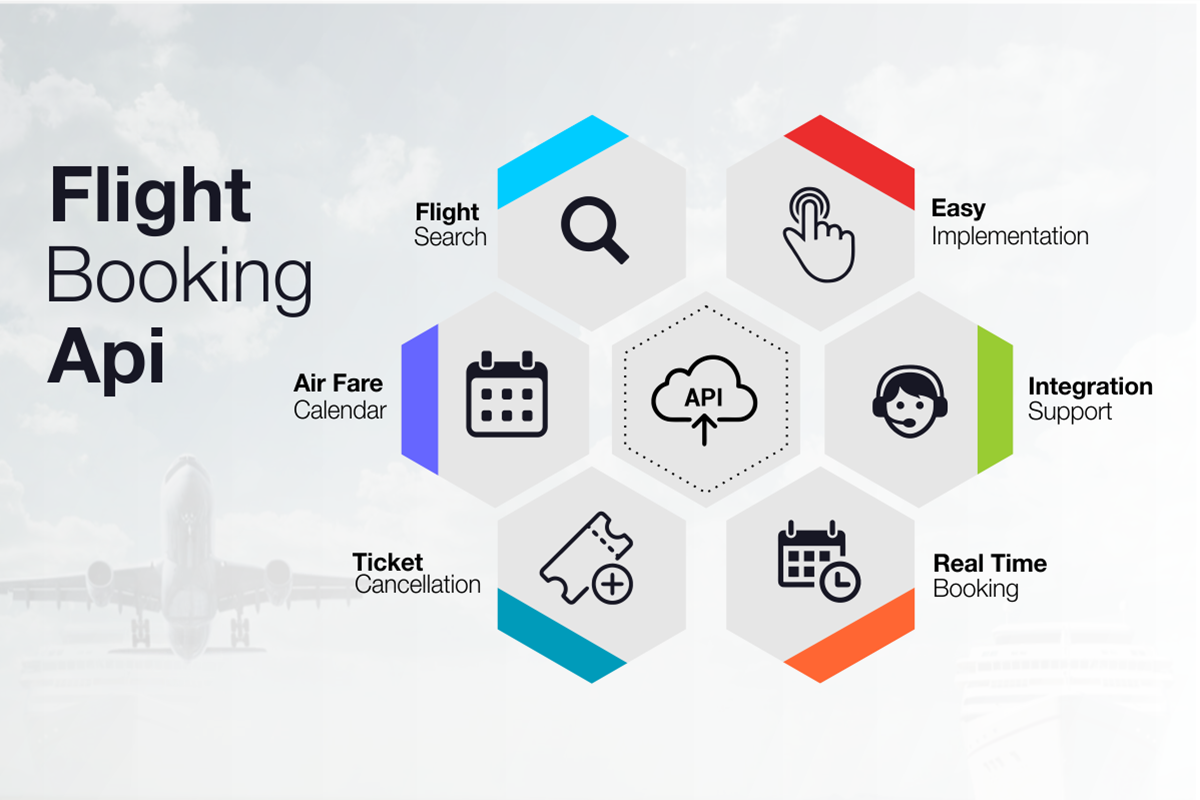
Behind every "search flights" button on a travel website sits a chain of API calls happening in seconds. Understanding how does a flight booking API work helps you make sense of what's actually happening between a user's search and a confirmed ticket — and why some integrations are far more complex than others.
Step 1: Flight search
When a user enters their travel dates and destinations, your platform sends a search request to the connected air ticket booking API. This request typically includes origin, destination, dates, passenger count, and cabin class. The API queries its underlying data sources — GDS networks, direct NDC connections, or low-cost carrier feeds — and returns a list of available flights with pricing.
Step 2: Fare verification and pricing
Once a user selects a flight, most APIs require a second step: re-confirming that the fare and availability are still valid. Prices and seat availability change constantly, so this "price check" or "re-shop" step ensures the traveler isn't shown a fare that's no longer bookable. This is a critical part of how a flight booking API keeps pricing accurate right up to the point of purchase.
Step 3: Passenger and payment details
At this stage, the platform collects passenger information (names, dates of birth, passport details for international travel) and payment details. The API validates this data against airline requirements — for example, checking that the passenger name is correctly formatted for the ticketing system.
Step 4: Booking and ticket issuance
Once payment is processed, the API sends a booking request to the airline or GDS. If successful, this generates:
- A Passenger Name Record (PNR) or booking reference
- An actual ticket number, confirming the fare has been issued (not just reserved)
Some integrations separate these into two distinct steps — creating a reservation first, then issuing the ticket — which gives platforms flexibility for things like hold bookings or payment confirmation windows.
Step 5: Post-booking management
After the ticket is issued, the API typically supports additional functions such as:
- Retrieving booking details
- Processing changes or cancellations
- Adding ancillary services like baggage or seat selection
- Sending updates if flight status changes
GDS vs. NDC: two different technical paths
The underlying mechanics differ depending on the data source:
- GDS-based APIs (Amadeus, Sabre, Travelport) route search and booking requests through a centralized system that aggregates hundreds of airlines, using standardized message formats developed over decades.
- NDC-based APIs connect more directly to individual airlines, often returning richer content (like personalized fares and bundled ancillaries) but requiring separate technical integration work per airline or aggregator.
Final Thoughts
At its core, how does a flight booking API work comes down to a structured sequence: search, verify, collect details, book, and manage. The complexity lies in the data sources behind each step — and understanding that structure makes it much easier to evaluate providers and plan an integration.
For more on choosing and integrating the right provider, visit Air Ticket Booking API: A Complete Guide to Choosing One.

 English
 Arabic
 French
 Spanish
 Portuguese
 Deutsch
 Turkish
 Dutch
Dutch
 Russian
 Romaian
 Portuguese (Brazil)
 Greek
Greek
