


Flat Roofs in Hull: A Practical Homeowner’s Guide
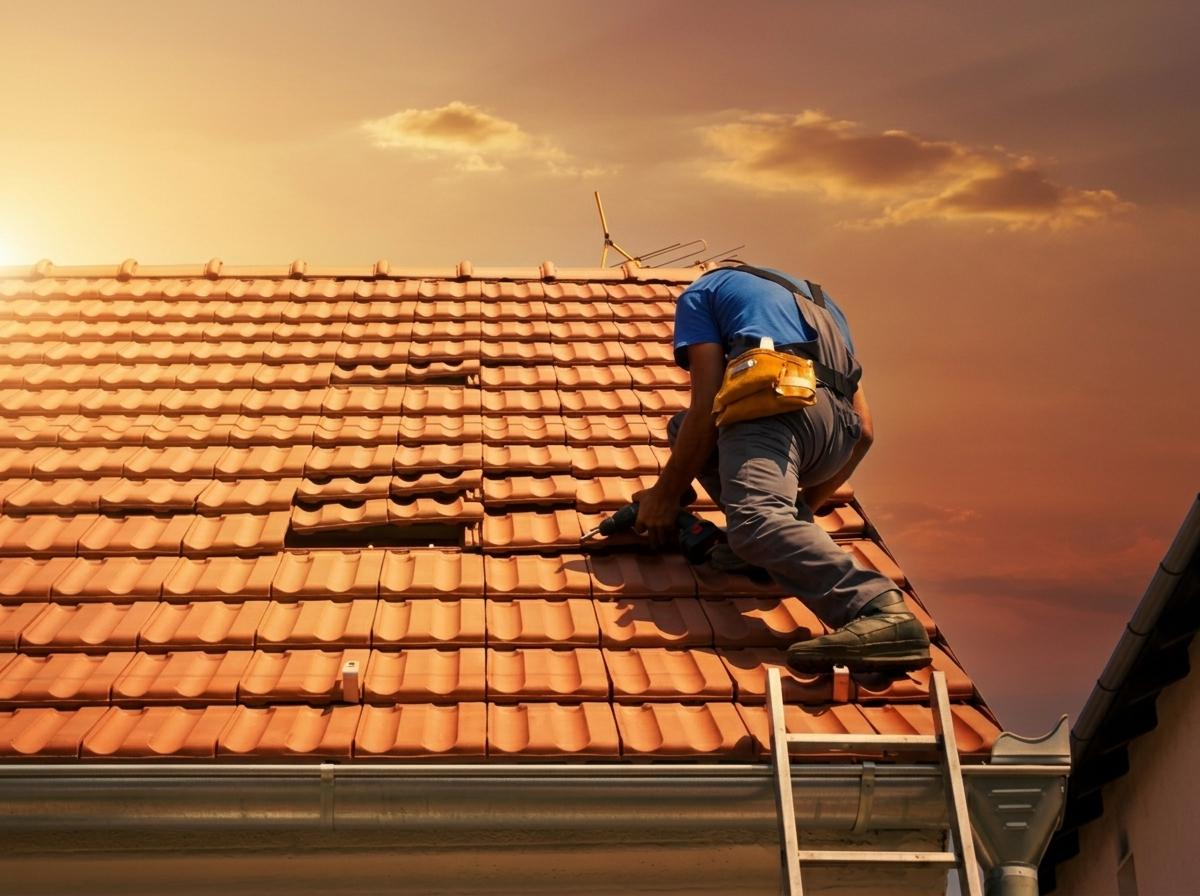
Flat roofs are a practical roofing solution for extensions, garages, porches, commercial buildings, and other structures where a traditional pitched roof may not be suitable. Although called “flat”, these roofs are normally designed with a slight fall to help rainwater drain away. If you are considering Flat Roofs in Hull, understanding the available systems, common problems, installation requirements, and maintenance needs can help you choose an appropriate solution.
A flat roof needs more than a waterproof surface. Drainage, insulation, roof structure, edges, joints, outlets, and junctions all contribute to how effectively the finished system performs. Choosing suitable materials and ensuring the roof is properly installed can make a significant difference to its long-term condition.
What Are Flat Roofs?
A flat roof is a roofing system with a very low pitch rather than the noticeable slope found on most traditional pitched roofs. The design makes them particularly useful where space, building layout, or architectural requirements make a pitched roof impractical.
Flat roofs are commonly used for:
- Home extensions
- Garages
- Porches
- Dormer structures
- Outbuildings
- Commercial premises
- Certain balconies and roof terraces
Despite their name, a properly designed flat roof should generally have some degree of fall. This helps direct rainwater towards gutters, outlets, or other drainage points instead of allowing it to remain across the roof surface.
Why Choose a Flat Roof?
Flat roofing can offer practical advantages depending on the building and its intended use.
Efficient Use of Space
A low-profile roof can work particularly well on extensions and garages where maintaining a simple structure is important. It can also reduce the visual impact of an addition to a property.
Suitable for Extensions
Flat roofs are commonly used on single-storey extensions because their relatively simple profile can integrate with the existing building without creating an unnecessarily tall structure.
Easier Access for Maintenance
Where safe access has been specifically designed, the relatively simple layout of a flat roof can make certain inspection and maintenance tasks straightforward. However, roof surfaces should never be accessed casually without suitable precautions.
Different Material Options
Modern flat roofing systems are available in several forms, allowing the roofing solution to be selected according to the property, roof design, budget, and expected use.
Common Flat Roof Materials
Different roofing systems have their own characteristics, installation methods, and maintenance considerations. The best choice depends on the individual roof rather than a single material being suitable for every situation.
EPDM Rubber Roofing
EPDM is a synthetic rubber membrane commonly used for flat roof applications. It provides a continuous waterproof layer and has flexibility that can be useful in a variety of roofing situations.
GRP Fibreglass Roofing
GRP, often referred to as fibreglass roofing, uses reinforced materials to form a waterproof surface. It can be suitable for certain domestic flat roofs where a seamless finish is desirable.
Built-Up Roofing
Built-up roofing systems use multiple layers to form the waterproofing system. Depending on the design, different membranes and roofing materials can be incorporated into the finished roof.
When selecting a system, factors such as roof structure, drainage, insulation, detailing, accessibility, and existing materials should all be considered.
What Can Go Wrong With a Flat Roof?
Flat roofs are particularly dependent on effective drainage and carefully finished details. Problems can develop when water remains on the roof, membranes become damaged, or vulnerable junctions deteriorate.
Common warning signs include:
- Persistent standing water
- Cracks or splits in the roof surface
- Blisters or damaged membrane areas
- Leaks after rainfall
- Damp patches on ceilings
- Damaged flashing
- Blocked outlets or gutters
- Deterioration around roof edges
- Water staining inside the property
A leak should not be judged solely by where the water appears indoors. Moisture can travel beneath roofing layers before becoming visible, so the actual source may be some distance from the internal stain.
How Is a Flat Roof Installed?
A reliable flat roof depends on proper preparation and attention to detail.
Inspecting the Existing Structure
Before installation or replacement, the roof should be assessed to determine its condition. Any structural concerns, damaged materials, drainage issues, or moisture problems should be identified before the waterproofing system is installed.
Preparing the Roof
The supporting surface needs to be suitable for the selected roofing system. Depending on the project, preparation may involve repairing or replacing damaged components and creating the appropriate falls for drainage.
Installing Insulation
Insulation can form an important part of a flat roof's construction. The arrangement depends on the design of the roof and the overall requirements of the building.
Applying the Waterproof Layer
The selected membrane or waterproofing system is then installed according to its specific requirements. Particular attention should be paid to seams, edges, penetrations, outlets, and junctions.
Poor detailing in these areas can create weaknesses even when the main roof surface has been installed correctly.
Repair or Replace a Flat Roof?
Not every flat roof with a leak needs complete replacement.
A repair may be appropriate when the problem is localised and the majority of the roof remains in sound condition. For example, isolated membrane damage, a defective joint, or a problem around an outlet may be repairable.
Replacement may be worth considering when:
- The waterproofing system has widespread deterioration
- Leaks keep returning
- Multiple areas require repair
- The underlying structure needs substantial attention
- Previous repairs have stopped providing a practical solution
The decision should be based on the condition of the entire roof rather than the age of the system alone.
What Affects Flat Roof Costs?
Flat roofing costs vary considerably between projects. The size of the roof is important, but it is only one part of the overall calculation.
Other factors can include:
- Roofing system selected
- Roof size and layout
- Existing roof condition
- Insulation requirements
- Structural preparation
- Drainage arrangements
- Number of roof edges and junctions
- Accessibility
- Removal and disposal of existing materials
- Additional repairs discovered during preparation
A simple garage roof may require considerably less work than a large extension with several outlets, roof penetrations, and complex junctions.
When reviewing quotations, make sure you understand exactly what is included rather than comparing prices without considering the scope of work.
Maintaining a Flat Roof in Hull
Regular maintenance can help identify developing issues before they become major problems.
Keep gutters and drainage outlets clear of leaves, moss, dirt, and other debris. Check visible roof edges and junctions for signs of deterioration, and investigate internal damp patches or water stains promptly.
It can also be useful to check the roof after periods of severe weather. However, this should be done from a safe location unless appropriate access equipment and safety procedures are available.
Unnecessary foot traffic should be avoided because roofing membranes can be damaged by inappropriate use of the roof surface.
Choosing a Flat Roofing Contractor
The quality of installation is an important consideration when arranging flat roofing work. Before choosing a contractor, ask for a clear explanation of the proposed system and why it is suitable for the property.
A professional assessment should consider:
- Existing roof condition
- Drainage and falls
- Insulation
- Waterproofing
- Roof edges
- Wall junctions
- Outlets and penetrations
- Required preparation
A detailed quotation should also make it clear which materials and stages of work are included.
Frequently Asked Questions
Are flat roofs completely flat?
No. Flat roofs are generally designed with a slight fall to help rainwater drain towards suitable outlets. The exact design depends on the roof structure and drainage arrangement.
How long can a flat roof last?
The lifespan depends on the roofing system, materials, installation quality, exposure, maintenance, and other factors. Different systems have different expected service lives.
Why is water standing on my flat roof?
Standing water can result from drainage blockages, inadequate falls, movement, or problems with the roofing system. Persistent ponding should be investigated rather than ignored.
Can a leaking flat roof be repaired?
Yes, if the problem is localised and the rest of the roof remains suitable. Extensive deterioration may make replacement a more practical option.
Which flat roofing material is best?
There is no single best material for every property. EPDM, GRP, and built-up systems all have different characteristics. The appropriate choice depends on the roof design, construction, drainage, and intended use.
Does a flat roof need insulation?
Insulation can be an important part of a flat roof system, particularly where the roof forms part of a heated building. The appropriate arrangement depends on the specific construction.
Find the Right Solution for Your Roof
A flat roof can be a practical and versatile option, but its performance depends on more than the visible waterproof surface. Effective drainage, suitable materials, insulation, structural preparation, and carefully finished details all need to work together.
If you are planning a new flat roof, replacing an ageing system, or dealing with persistent problems, speaking with a Roofing company in Hull East Riding Yorkshire can help you understand the condition of the property and determine the most suitable approach. A properly assessed and carefully installed flat roof can provide dependable protection while complementing the building's design.

 English
 Arabic
 French
 Spanish
 Portuguese
 Deutsch
 Turkish
 Italiano
 Russian
 Romaian
 Portuguese (Brazil)
 Greek
Greek
