


Dandruff vs Dry Scalp: Understanding the Root Cause of Flaky Scalp Problems
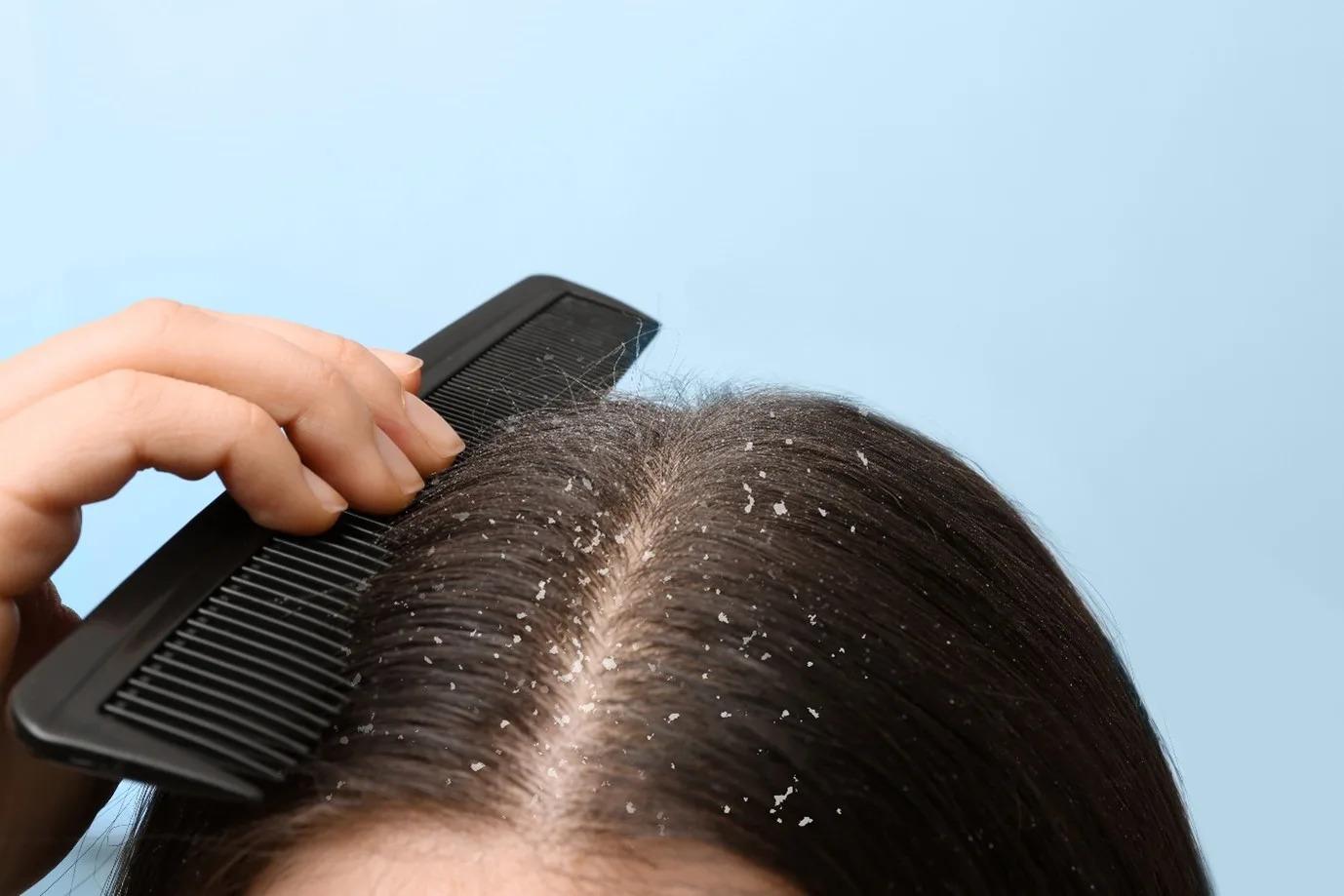
Scalp health is often overlooked until visible flakes, irritation, and persistent itching begin to interfere with daily life. Millions of people experience flaky scalp conditions every year, yet many struggle to determine whether they are dealing with dandruff or simple dryness. While both conditions may appear similar on the surface, they have distinct causes, symptoms, and treatment approaches. Understanding the difference is essential for choosing the right hair care routine and preventing long-term scalp discomfort.
The discussion around dandruff vs dry scalp has become increasingly important in the beauty and wellness industry because scalp health directly affects hair quality, confidence, and overall hygiene. A healthy scalp creates the ideal environment for strong hair growth, while an unhealthy scalp may contribute to irritation, breakage, and excessive shedding.
Many individuals assume that all scalp flakes are caused by dandruff, but that is not always the case. Dry scalp can also lead to visible flakes, itchiness, and irritation, especially during seasonal changes or after using harsh hair products. Without proper diagnosis, people often use the wrong treatments, which can worsen the condition instead of improving it.
This article explores the causes, symptoms, triggers, prevention strategies, and treatment options associated with both dandruff and dry scalp. By understanding these conditions in detail, readers can make informed decisions about scalp care and maintain healthier hair over time.
What Is Dandruff?
Dandruff is a common scalp condition characterized by excessive flaking of the skin on the scalp. It is often associated with itching, irritation, and oily patches. Unlike dry scalp, dandruff is usually linked to an overgrowth of yeast-like fungi called Malassezia, which naturally live on the scalp.
When the scalp produces excess oil, this fungus feeds on the oils and causes irritation. As a result, skin cells shed more rapidly than normal, creating visible flakes. These flakes are often larger, oily, and yellowish-white in appearance.
Dandruff can affect people of all ages, although it is more common during adolescence and adulthood. Hormonal changes, stress, poor hygiene, and environmental factors can all contribute to its development.
Common Symptoms of Dandruff
-
Large, oily flakes on the scalp
-
Persistent itching
-
Redness or inflammation
-
Greasy scalp appearance
-
Flakes appearing on shoulders or clothing
-
Irritation that worsens during stress or winter
In severe cases, dandruff may lead to scalp sensitivity and discomfort that affects confidence and daily activities.
What Is Dry Scalp?
Dry scalp occurs when the skin on the scalp lacks sufficient moisture. Just like dry skin on the face or body, the scalp can become dehydrated due to environmental conditions, excessive washing, or harsh products.
People with dry scalp often notice small, white flakes that resemble dandruff, but the underlying cause is entirely different. The flakes associated with dry scalp are typically smaller and drier than dandruff flakes.
Dry scalp can develop because of cold weather, low humidity, dehydration, or the use of shampoos that strip away natural oils. In some cases, skin conditions like eczema may also contribute to dryness.
Common Symptoms of Dry Scalp
-
Small, dry white flakes
-
Tight or dry feeling on the scalp
-
Mild itching
-
Dull-looking hair
-
Dry skin on other parts of the body
-
Increased sensitivity after washing hair
Unlike dandruff, dry scalp is not usually linked to excessive oil production.
Dandruff vs Dry Scalp: Key Differences
Many people confuse these two conditions because both involve flaking and itching. However, there are several noticeable distinctions that can help identify the issue correctly.
Flake Appearance
One of the biggest indicators in dandruff vs dry scalp comparisons is the appearance of flakes.
-
Dandruff flakes are larger, oily, and yellowish.
-
Dry scalp flakes are smaller, white, and dry.
Scalp Condition
-
Dandruff is commonly associated with an oily scalp.
-
Dry scalp occurs when the scalp lacks moisture.
Itching Severity
Dandruff-related itching is often more intense because inflammation is involved. Dry scalp itching tends to be milder and linked to dehydration.
Causes
-
Dandruff is often caused by fungal overgrowth and excess oil.
-
Dry scalp is usually caused by moisture loss and environmental conditions.
Treatment Approach
The treatments differ significantly:
-
Dandruff may require medicated shampoos with antifungal ingredients.
-
Dry scalp usually improves with moisturizing products and hydration.
Understanding the difference between dandruff and dry scalp is essential because incorrect treatment can aggravate symptoms. For example, using strong dandruff shampoos on a dry scalp may worsen dryness and irritation.
Causes of Dandruff
Several factors contribute to dandruff development. Understanding these triggers can help reduce flare-ups and maintain scalp balance.
Excess Oil Production
An oily scalp creates the ideal environment for fungal growth. When oil production increases, dandruff symptoms may worsen.
Fungal Growth
The fungus Malassezia naturally exists on the scalp, but excessive growth can irritate the skin and accelerate shedding.
Poor Hair Hygiene
Infrequent shampooing allows oil and dead skin cells to build up, increasing the likelihood of dandruff.
Stress
Stress weakens the immune system and may worsen scalp conditions, including dandruff.
Product Sensitivity
Certain styling products, hair sprays, or shampoos can irritate the scalp and trigger flaking.
Seasonal Changes
Cold weather and indoor heating can contribute to scalp imbalance and dandruff flare-ups.
Causes of Dry Scalp
Dry scalp has entirely different triggers compared to dandruff.
Cold and Dry Weather
Low humidity levels remove moisture from the scalp, leading to dryness and flaking.
Overwashing Hair
Frequent washing strips away natural oils that protect the scalp.
Harsh Hair Products
Shampoos containing sulfates or alcohol-based ingredients may dry out the scalp.
Dehydration
Insufficient water intake can affect skin hydration, including the scalp.
Skin Conditions
Eczema and psoriasis may contribute to scalp dryness and irritation.
Aging
As people age, the skin naturally produces less oil, increasing the likelihood of dryness.
How to Diagnose the Condition Correctly
Identifying the correct scalp condition is important for selecting effective treatment.
Examine the Flakes
Observe whether the flakes are oily or dry. Oily flakes generally indicate dandruff, while powdery flakes suggest dry scalp.
Evaluate the Scalp Texture
An oily or greasy scalp often points toward dandruff. Tightness and dryness indicate dry scalp.
Consider Environmental Factors
If symptoms worsen during winter or after excessive washing, dry scalp is more likely.
Observe Hair Product Reactions
If symptoms began after switching shampoos or styling products, irritation or dryness may be the root cause.
Seek Professional Advice
Persistent scalp issues should be evaluated by a dermatologist to rule out psoriasis, seborrheic dermatitis, or allergic reactions.
Best Treatments for Dandruff
Dandruff management usually focuses on reducing fungal growth and controlling excess oil.
Use Medicated Shampoos
Look for ingredients such as:
-
Ketoconazole
-
Zinc pyrithione
-
Selenium sulfide
-
Coal tar
-
Salicylic acid
These ingredients help reduce fungal activity and control flaking.
Wash Hair Regularly
Regular cleansing removes excess oil and dead skin buildup.
Avoid Heavy Hair Products
Oily styling products may worsen dandruff symptoms.
Reduce Stress
Stress management techniques such as exercise, meditation, and quality sleep may help reduce flare-ups.
Maintain a Healthy Diet
Foods rich in zinc, omega-3 fatty acids, and B vitamins support scalp health.
Best Treatments for Dry Scalp
Dry scalp treatment focuses on restoring moisture and protecting the scalp barrier.
Use Gentle Moisturizing Shampoos
Choose sulfate-free shampoos designed for hydration.
Avoid Hot Water
Hot showers strip natural oils from the scalp and worsen dryness.
Apply Natural Oils
Coconut oil, argan oil, and jojoba oil may help lock in moisture.
Stay Hydrated
Drinking enough water supports healthy skin and scalp hydration.
Limit Heat Styling
Frequent blow-drying and heat styling can dry out the scalp further.
Use Humidifiers
Indoor humidifiers help maintain moisture levels during dry weather.
Can Dandruff or Dry Scalp Cause Hair Loss?
A common concern among individuals with scalp issues is whether these conditions contribute to hair loss.
Dandruff itself does not directly cause permanent hair loss, but severe itching and inflammation may weaken hair follicles over time. Excessive scratching can damage the scalp and lead to temporary shedding.
Dry scalp can also contribute to hair breakage if the scalp becomes irritated and unhealthy. However, mild dryness alone is not typically responsible for significant hair loss.
The key is early intervention and proper scalp care. Ignoring scalp irritation for extended periods may create an unhealthy environment for hair growth.
Lifestyle Habits That Improve Scalp Health
Maintaining a healthy scalp requires more than occasional shampooing. Daily habits significantly influence scalp condition and hair quality.
Eat Nutrient-Rich Foods
A balanced diet containing vitamins, proteins, and healthy fats supports scalp function.
Manage Stress Levels
Stress affects hormone balance and may trigger scalp flare-ups.
Avoid Excessive Product Buildup
Using too many styling products can clog follicles and irritate the scalp.
Protect the Scalp From Sun Damage
Excessive sun exposure may dry out and irritate the scalp.
Wash Hair According to Hair Type
People with oily scalps may require more frequent washing than those with dry hair.
Choose Quality Hair Care Products
Products with gentle, nourishing ingredients are less likely to disrupt scalp balance.
Natural Remedies for Scalp Flakes
Some individuals prefer natural remedies alongside traditional treatments.
Tea Tree Oil
Tea tree oil has antimicrobial properties that may help reduce dandruff symptoms.
Aloe Vera
Aloe vera soothes irritation and provides hydration for dry scalp.
Apple Cider Vinegar
Diluted apple cider vinegar may help restore scalp pH balance.
Coconut Oil
Coconut oil deeply moisturizes dry scalp and reduces irritation.
Yogurt and Honey Masks
These ingredients may help nourish and soothe the scalp naturally.
Natural remedies should be used carefully because some individuals may experience sensitivity or allergic reactions.
When to See a Dermatologist
Professional evaluation is important if symptoms persist despite treatment.
Seek medical advice if you experience:
-
Severe itching
-
Bleeding or sores
-
Thick crusts on the scalp
-
Sudden hair loss
-
Persistent redness or swelling
-
Symptoms lasting several weeks
A dermatologist can determine whether the issue involves dandruff, dry scalp, seborrheic dermatitis, psoriasis, or another condition.
Preventing Future Scalp Problems
Long-term scalp health depends on consistency and prevention.
Follow a Scalp Care Routine
Using suitable shampoos and conditioners consistently can prevent recurring issues.
Avoid Overusing Hair Products
Too many chemicals may irritate the scalp barrier.
Keep Hair Tools Clean
Dirty brushes and combs can spread oil and bacteria.
Monitor Seasonal Changes
Adjust your hair care routine during winter and summer to maintain scalp balance.
Maintain Overall Wellness
Hydration, sleep, nutrition, and stress management all contribute to scalp health.
Final Thoughts
Understanding dandruff vs dry scalp is essential for choosing the right treatment and maintaining healthy hair. Although both conditions involve flakes and itching, their causes and solutions differ significantly. Dandruff is commonly linked to excess oil and fungal growth, while dry scalp results from a lack of moisture.
Recognizing the difference between dandruff and dry scalp allows individuals to avoid ineffective treatments and address the root cause of their symptoms. With proper scalp care, hydration, healthy lifestyle habits, and suitable products, most people can successfully manage these common conditions.
Healthy hair begins with a healthy scalp. Paying attention to scalp health not only reduces irritation and flakes but also supports stronger, shinier, and more resilient hair over time. By identifying symptoms early and following a personalized care routine, individuals can maintain long-term scalp comfort and confidence.

 English
 French
 Spanish
 Portuguese
 Deutsch
 Turkish
 Dutch
Dutch
 Italiano
 Russian
 Romaian
 Portuguese (Brazil)
 Greek
Greek
