


Maintenance Uniforms and Workplace Professionalism: What Businesses Should Know
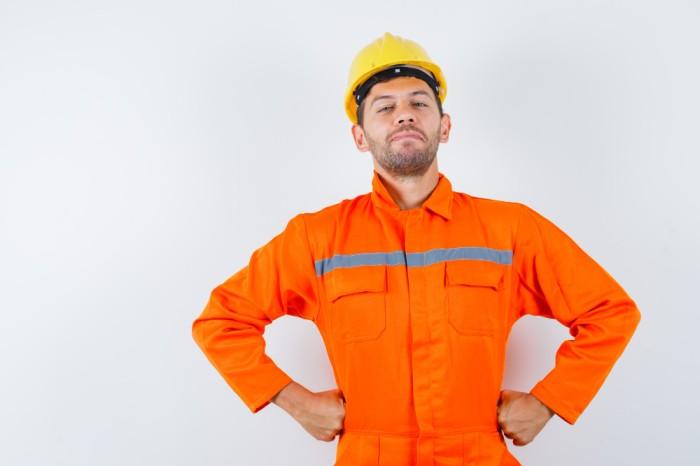
Professionalism is reflected in many parts of a business. It can be seen in how employees communicate, how facilities are maintained, how customers are treated, and how consistently employees present themselves.
For building maintenance teams, clothing is an important part of that presentation. Employees often work directly in customer or tenant spaces, which means their appearance can influence perceptions of the entire organization.
Well-selected maintenance uniforms can support employee identification, comfort, consistency, and professional presentation. Specialty Apparel provides apparel solutions for building maintenance teams that want practical workwear aligned with their business needs.
However, professionalism does not mean choosing clothing based only on appearance. Maintenance employees need apparel that can withstand physical work while remaining comfortable throughout the day. The most effective uniform strategy brings both needs together.
1. Why Maintenance Employees Need Professional Workwear
Maintenance employees often interact with people while performing their jobs. A technician may enter an office to repair equipment. A property employee may respond to a tenant request. A facilities worker may speak with a visitor while completing an inspection. In these situations, clothing becomes part of the interaction.
First Impressions Matter
Customers may not know an employee's technical skills when they first meet them. They can, however, immediately notice whether the person appears prepared and connected to the organization. Professional workwear can help create that initial confidence.
2. Identification Is a Practical Benefit
A recognizable maintenance employee is easier to identify. This can be particularly important in large properties.
Make Employees Easy to Recognize
Company logos, colors, and consistent garment styles can provide immediate visual identification. This can also help employees move confidently through customer areas because people are more likely to understand why they are present.
3. Comfort Should Support Professionalism
An uncomfortable employee may constantly adjust clothing or struggle with movement. That can affect both performance and appearance.
Comfortable Clothing Looks Better
Employees who have clothing that fits correctly are more likely to wear it confidently. Comfort also reduces distractions. Businesses should therefore treat employee comfort as part of professional uniform selection rather than as a separate issue.
4. Maintenance Work Requires Functional Clothing
Building maintenance involves more movement than many office-based jobs. Employees may climb stairs, bend under equipment, reach overhead, kneel, and carry supplies.
Choose Apparel Around Movement
Garments should allow employees to perform these tasks without unnecessary restriction. The uniform should support the employee's job rather than interfere with it.
5. Durability Protects Professional Appearance
A garment can begin looking unprofessional when it becomes faded, damaged, stained, or excessively worn. This may happen faster in maintenance environments.
Monitor Garment Condition
Businesses should establish expectations around garment condition. Employees should know when worn clothing should be reported for replacement. Managers should also monitor which garments require frequent replacement.
6. Consistency Creates a Stronger Image
If one employee wears a branded shirt and another wears generic clothing, the company's appearance can become inconsistent.
Establish Clear Apparel Standards
Businesses should identify approved garments and communicate those requirements to employees. Standards should be simple enough to follow. Consistency does not require every employee to look the same. It requires the clothing to follow a recognizable system.
7. Different Work Areas May Require Different Apparel
Building maintenance teams can work across many environments. One employee may spend most of the day indoors while another regularly handles outdoor inspections.
Allow Practical Differences
Businesses can create a shared visual identity while selecting apparel according to individual responsibilities. This can improve comfort without weakening consistency.
8. Seasonal Conditions Need Attention
Temperature changes can affect employee comfort.
Consider Seasonal Layers
Depending on the work environment, employees may need additional garments during colder periods or lighter options during warmer conditions. The apparel should remain visually connected to the company.
9. Branding Should Be Useful
A uniform can support brand recognition, but branding should not make clothing impractical.
Keep the Design Professional
Company identification should be clear and appropriate. The logo should be visible enough to support recognition while remaining consistent with the overall garment design. Simple branding often creates a stronger professional appearance than an overly complicated design.
10. New Employees Should Receive the Same Standard
A business can have an excellent uniform program but still create inconsistency when new employees are not properly outfitted.
Make Apparel Part of Onboarding
New employees should receive information about uniform requirements early. Their sizes should be collected and appropriate garments prepared. This ensures that new staff members become part of the company's visual standard from the beginning.
11. Replacement Garments Should Follow a Clear Process
Employees should not have to guess whether they can request a replacement.
Establish Simple Guidelines
A clear process can explain when a garment should be replaced and whom the employee should contact. This helps prevent employees from continuing to wear damaged clothing simply because they are unsure what to do.
12. Employee Feedback Can Improve Professionalism
Management may focus on how a uniform looks. Employees experience how it feels and performs.
Listen to the People Wearing the Apparel
Employees can identify practical issues that managers may overlook. They may notice that a garment becomes uncomfortable in warm areas or that a particular style restricts movement. Using employee feedback can improve future apparel decisions.
13. Uniform Management Should Not Become a Burden
A professional appearance is valuable, but maintaining it should not consume unnecessary management time.
Create a Repeatable Process
Businesses should establish clear procedures for sizing, distribution, replacements, and apparel updates. A professional apparel provider can support businesses that want a more structured approach.
Specialty Apparel provides apparel solutions for building maintenance teams and businesses that need workwear aligned with their operational requirements.
14. Professional Apparel Can Support Customer Confidence
Customers may feel more comfortable allowing clearly identified maintenance employees into their spaces. This is especially important in properties where employees enter offices, residences, hotels, or other occupied areas.
Identification Supports Trust
When employees are clearly connected to the organization, customers can better understand who they are and why they are present. Uniforms are not a replacement for proper identification procedures, but they can support the overall customer experience.
15. Review Whether the Uniform Still Works
Businesses should not assume that the first uniform selection will remain perfect forever. Employees change. Work environments change. Company branding changes.
Regular Reviews Keep Apparel Relevant
Managers should review employee feedback, garment condition, replacement patterns, and operational requirements. This can identify areas for improvement before small problems become recurring issues.
16. Build a Uniform Program Around People
Ultimately, the best workwear strategy begins with employees. Businesses should ask what employees need to perform their work safely, comfortably, and professionally. They should also consider what customers need to feel confident when interacting with maintenance staff.
-
Employees need comfort: Clothing should support movement and long working hours.
-
Managers need consistency: Apparel standards should be clear and manageable.
-
Customers need identification: Employees should be recognizable when working in public or occupied areas.
-
Businesses need durability: Garments should suit the conditions in which they are used.
-
Brands need consistency: Apparel should support the organization's professional identity.
These considerations create a more complete approach to workwear.
Conclusion
Maintenance employees play an essential role in keeping buildings functional and presentable. Their clothing should reflect the importance of that work. Professional workwear can help employees remain comfortable, make them easier to identify, and reinforce the organization's image during customer and tenant interactions.
For businesses reviewing their apparel strategy, maintenance uniforms can be an effective foundation for a consistent building maintenance workwear program. Specialty Apparel provides apparel solutions designed around business and employee requirements.
A uniform program should ultimately serve people rather than create another administrative problem. If your business wants to discuss building maintenance apparel, contact Specialty Apparel and review the options available for your team.
FAQs
Q. How do maintenance uniforms contribute to professionalism?
Ans. Consistent and appropriate workwear can make employees look prepared, reinforce company identity, and help customers or tenants recognize authorized maintenance staff.
Q. Should comfort be considered when selecting professional uniforms?
Ans. Yes. Employees often wear uniforms for long periods, so proper fit, movement, fabric, and working conditions should all be considered.
Q. Can maintenance uniforms improve customer confidence?
Ans. Recognizable workwear can help customers understand who is representing the organization. This can be particularly useful when maintenance employees work in occupied spaces.
Q. What should businesses do when uniforms become worn?
Ans. Businesses should have a clear replacement process and monitor garment condition. Worn or damaged clothing should be addressed before it negatively affects employee comfort or professional appearance.
Q. How can a company create consistent maintenance apparel across locations?
Ans. Businesses can establish central apparel standards covering approved garments, company identification, colors, sizing, and replacement procedures while allowing practical differences for specific work environments.

 English
 Arabic
 French
 Portuguese
 Deutsch
 Turkish
 Dutch
Dutch
 Italiano
 Russian
 Romaian
 Portuguese (Brazil)
 Greek
Greek
