


Why Is My Car Making a Clunking Noise When Changing Gears?
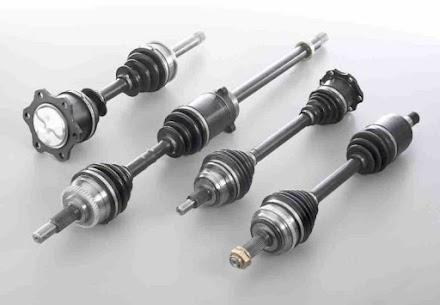
Hearing a clunking noise when changing gears can be concerning, particularly when the sound comes from underneath the vehicle. While an occasional noise may have a simple explanation, repeated clunking during gear changes can indicate wear within the driveline or related mechanical components.
The driveline transfers engine power through the transmission and towards the wheels. Several components work together during this process, and excessive movement or wear in any one of them can create a noticeable clunk.
Understanding the possible causes can help you recognise when your vehicle needs attention and prevent a relatively small fault from developing into a more expensive repair.
What Causes a Clunk When Changing Gears?
When you change gears, the direction or amount of torque travelling through the driveline changes. Healthy driveline components should absorb this change smoothly.
If there is excessive movement or worn components, the change in torque can produce a noticeable clunk.
Potential causes include:
- Worn universal joints.
- Tailshaft wear.
- Differential backlash.
- Damaged engine or transmission mounts.
- Worn CV joints.
- Loose driveline components.
Because several problems can create similar symptoms, accurate diagnosis is important.
1. Worn Universal Joints
Universal joints allow the tailshaft to operate through different angles while transferring power from the transmission to the differential.
Over time, they can develop excessive play.
This may result in:
- Clunking when selecting a gear.
- Noise when accelerating.
- Vibration while driving.
- Driveline shudder.
If the universal joint has significant wear, continued driving may place additional stress on other components.
2. Tailshaft Wear or Damage
The tailshaft is subjected to significant forces whenever the vehicle accelerates, decelerates or changes direction.
Damage may occur because of:
- Normal wear.
- Road impacts.
- Corrosion.
- Previous repairs.
- Heavy towing.
- Off-road use.
If the tailshaft is damaged or its components are worn, you may experience clunking accompanied by vibration.
Professional tailshaft repairs Melbourne can help identify the underlying problem and determine whether the shaft requires repair, balancing or component replacement.
3. Tailshaft Imbalance
An imbalance doesn't always cause a clunk directly, but it can create vibration and additional movement within the driveline.
You may notice:
- Vibration at certain speeds.
- Shuddering during acceleration.
- Noise from underneath the vehicle.
- Reduced driving comfort.
Professional tailshaft balancing Melbourne can correct an imbalance and help the shaft rotate smoothly.
4. Worn Engine or Transmission Mounts
Engine and transmission mounts hold major components securely while allowing a controlled amount of movement.
When a mount becomes worn or damaged, the engine or transmission may move excessively when torque changes.
This can create:
- A noticeable clunk.
- Thumping when accelerating.
- Vibration through the cabin.
- Excessive engine movement.
Because mount problems can closely resemble driveline faults, technicians should inspect both systems.
5. Worn CV Joints
CV joints Melbourne transfer power to the wheels while allowing movement from the steering and suspension.
Worn joints can produce:
- Clicking while turning.
- Vibration during acceleration.
- Clunking under load.
- Rough power delivery.
A complete inspection can determine whether the CV joint is responsible for the noise or whether another driveline component needs attention.
6. Damaged CV Boots
The protective boot surrounding a CV joint keeps grease inside while preventing contaminants from entering.
A damaged boot can lead to:
- Grease loss.
- Dirt contamination.
- Reduced lubrication.
- Premature CV joint wear.
Inspecting CV boots Melbourne during routine servicing can help identify damage before it develops into a more expensive joint failure.
7. Differential Wear
The differential allows the driven wheels to rotate at different speeds while transferring engine power.
Internal wear can create excessive backlash between components. When the direction of torque changes during gear selection or acceleration, this movement may be heard as a clunk.
Differential problems can be more complex than a simple universal joint replacement, which makes professional diagnosis particularly important.
8. Loose or Damaged Driveline Components
A loose mounting bolt, damaged flange or worn connection can also create movement when the driveline changes direction.
Even a relatively small amount of movement can become noticeable when:
- Selecting reverse.
- Selecting drive.
- Accelerating from a stop.
- Releasing the accelerator.
A technician can inspect the relevant connections and determine whether tightening, repair or component replacement is required.
Could the Steering System Be Related?
Steering problems generally don't cause a clunk specifically when changing gears, but multiple mechanical problems can occur at the same time.
If you also notice:
- Heavy steering.
- Fluid leaks.
- Whining while turning.
- Steering wheel vibration.
the power steering pump Melbourne and related steering components may need inspection.
Identifying all symptoms helps technicians avoid focusing on the wrong component.
Melbourne Roads Can Increase Driveline Wear
Melbourne's potholes, tram tracks, speed humps and uneven road surfaces can place additional stress on mechanical components.
Repeated impacts may contribute to:
- Driveline misalignment.
- Universal joint wear.
- Tailshaft damage.
- Suspension problems.
Heavy traffic can also increase wear because of frequent acceleration, braking and gear changes.
If the clunking started after a significant road impact, arrange an inspection as soon as practical.
When Should You Be Concerned?
A single, minor noise doesn't necessarily mean your vehicle is about to fail. However, repeated or worsening clunking should not be ignored.
Arrange a professional inspection if you notice:
- A loud clunk when selecting gears.
- Increasing vibration.
- Shuddering during acceleration.
- Clicking while turning.
- Noise after hitting a pothole.
- Visible grease or fluid leaks.
- Difficulty maintaining smooth acceleration.
Early diagnosis can help prevent further damage.
How Professional Diagnosis Helps
Several components can create similar symptoms, which is why replacing parts based on guesswork can become expensive.
A professional inspection may include checking:
- Tailshaft condition.
- Universal joints.
- Engine and transmission mounts.
- Differential.
- CV joints Melbourne.
- CV boots Melbourne.
- Driveline alignment.
- Steering components.
If a tailshaft issue is identified, tailshaft repairs Melbourne may restore smooth power delivery. If imbalance is the cause, tailshaft balancing Melbourne may be recommended instead.
Supporting Melbourne Drivers
If your vehicle makes a clunking noise when changing gears, don't wait for the sound to become louder or more frequent. A professional driveline inspection can identify worn or damaged components and help prevent more extensive mechanical problems.
Melbourne motorists can also use a workshop's Google Business Profile to check customer reviews, workshop photos, opening hours and recent updates when choosing a local specialist. Whether you require tailshaft repairs Melbourne, tailshaft balancing Melbourne, an inspection of CV joints Melbourne, or attention to damaged CV boots Melbourne, choosing an experienced specialist can help ensure the right repair is completed.
Final Thoughts
A clunk when changing gears can have several causes, from worn universal joints and damaged tailshaft components to engine mounts, differential wear or CV joint problems. The noise itself doesn't always identify the faulty part, so a proper inspection is the safest way to determine the cause.
Addressing driveline symptoms early can reduce the risk of further damage and help keep your vehicle smooth, reliable and comfortable to drive.

 English
 Arabic
 Spanish
 Portuguese
 Deutsch
 Turkish
 Dutch
Dutch
 Italiano
 Russian
 Romaian
 Portuguese (Brazil)
 Greek
Greek
