


How Commercial Locksmiths Plan DFW Lock Systems
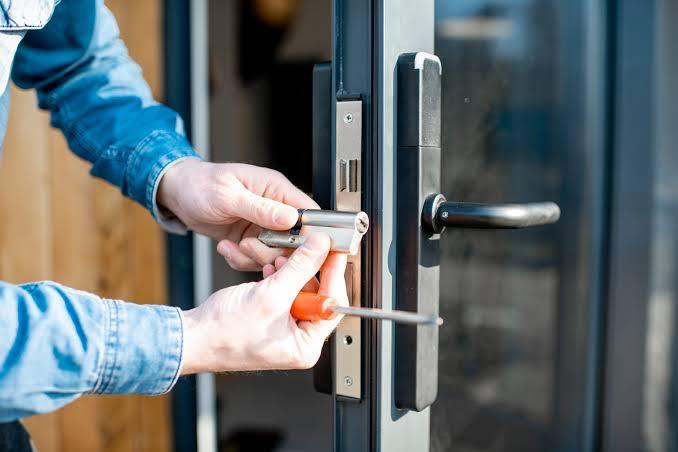
Every commercial property has unique security requirements. An office building, retail store, warehouse, or healthcare facility all require different levels of access control. Instead of installing identical locks throughout a building, professional locksmiths carefully plan lock systems based on how the property operates.
A well-designed lock system improves security, simplifies employee access, and protects valuable assets. Professional planning also reduces future maintenance costs while allowing businesses to expand their security as operations grow. Commercial locksmiths evaluate the entire property before recommending the most suitable locking solution. Commercial lock system planning typically begins with a detailed assessment of building layout, security risks, and access requirements before selecting hardware or key systems.
Understanding Business Security Requirements
Every business operates differently. Before recommending any lock system, commercial locksmiths first identify how employees, managers, visitors, and contractors move throughout the building.
Choosing professional Commercial Locksmith in DFW services allows businesses to receive a complete security assessment before installation begins. Locksmiths evaluate entrances, restricted areas, emergency exits, and daily operations to design a lock system that balances convenience with security. Modern commercial locksmiths commonly assess business layout, access levels, and operational needs before recommending master key systems, high-security locks, or access control solutions.
Evaluating Entry Points
The planning process begins by identifying every entry and exit throughout the property. Exterior doors, employee entrances, delivery doors, server rooms, storage areas, executive offices, and emergency exits all require different security levels.
This evaluation helps determine which locations require high-security locks and which areas need controlled employee access.
Identifying Security Risks
Commercial locksmiths also identify potential vulnerabilities before designing the system.
Factors such as public access, valuable inventory, sensitive information, cash handling, and employee traffic all influence the final security plan.
Understanding Daily Operations
A business that operates twenty-four hours a day has different security requirements than a small office that closes every evening.
Understanding employee schedules, visitor access, cleaning staff, and delivery routines allows locksmiths to recommend practical security solutions without disrupting daily operations.
Choosing the Right Lock System
Once the property's requirements have been evaluated, locksmiths begin selecting the most appropriate locking hardware.
Different businesses require different combinations of mechanical locks, electronic locks, master key systems, and access control technology.
Expert Emergency Locksmith in DFW services also play an important role in commercial security planning by ensuring businesses receive immediate assistance if lock failures, damaged hardware, or unexpected lockouts occur after installation. Emergency support is an important consideration when designing long-term business security systems.
High Security Lock Installation
Businesses that store valuable inventory or confidential information often benefit from high-security locks designed to resist picking, drilling, and unauthorized key duplication.
These locks provide stronger physical protection while reducing opportunities for forced entry.
Master Key System Planning
Many commercial properties require different access levels for employees, supervisors, and management.
Instead of carrying multiple keys, authorized personnel can use master key systems that provide access only to approved areas. Effective master key planning starts with mapping every door and defining which employees or roles need access before any locks are keyed.
Electronic Access Control
Modern businesses increasingly combine traditional locks with electronic access systems.
Keypads, access cards, mobile credentials, and biometric readers provide additional security while allowing administrators to manage employee access more efficiently.
The Importance of Planning Before Installation
Installing commercial locks without proper planning often creates security gaps and unnecessary expenses. A structured security plan ensures every lock serves a specific purpose while supporting future business growth.
Learning about the history of commercial lock system development demonstrates how business security has evolved from simple mechanical locks to integrated access control systems that improve both protection and operational efficiency.
Creating Access Levels
Not every employee needs access to every area of the building.
Commercial locksmiths organize access into different levels based on employee responsibilities, helping businesses maintain better control over sensitive locations.
Planning for Future Expansion
As businesses grow, new offices, departments, and employees may require additional access.
Planning ahead allows locksmiths to design flexible systems that can expand without replacing the entire security infrastructure.
Supporting Compliance
Many industries must follow security regulations for protecting customer information, financial records, medical data, or valuable inventory.
Properly planned lock systems help businesses maintain compliance while improving overall workplace security.
Common Commercial Lock Systems Used by Businesses
Every commercial property has different operational requirements. After completing the initial assessment, locksmiths recommend lock systems that match the building's security goals, employee structure, and daily workflow.
Standard Commercial Deadbolt Systems
Many offices and small businesses rely on commercial-grade deadbolts for exterior doors and private offices. These locks provide dependable security while remaining easy to maintain.
Professional locksmiths recommend hardware based on door construction, expected traffic, and long-term durability rather than using a one-size-fits-all approach.
Restricted Key Systems
Businesses that require greater control over key duplication often choose restricted key systems.
These systems prevent unauthorized key copying and provide business owners with better control over who can obtain replacement keys. They are commonly used in financial institutions, healthcare facilities, and professional offices.
Integrated Access Control
Larger commercial properties frequently combine mechanical locks with electronic access systems.
Card readers, keypad entry, mobile credentials, and biometric verification improve security while allowing administrators to monitor access, update permissions, and quickly remove access for former employees.
Industry-Specific Security Planning
Different industries face different security challenges. Commercial locksmiths customize lock systems according to the operational needs of each business instead of recommending identical solutions.
Retail Stores
Retail businesses require secure access to inventory rooms, cash offices, employee entrances, and receiving areas.
A properly planned lock system helps reduce unauthorized access while allowing employees to move efficiently throughout the property.
Medical Facilities
Healthcare providers must protect patient information, medications, and specialized equipment.
Commercial locksmiths design lock systems that support restricted access while allowing authorized medical staff to move quickly during daily operations.
Warehouses and Distribution Centers
Warehouses often contain valuable inventory and multiple loading areas with frequent employee and contractor access.
Planning secure access points helps reduce security risks while maintaining efficient day-to-day operations across large facilities.
Maintaining Commercial Lock Systems
Planning a lock system is only the first step. Regular maintenance helps ensure locks continue operating smoothly and securely for years.
Routine inspections allow locksmiths to identify worn components before they become security concerns. Preventive maintenance can also reduce emergency repairs and extend the lifespan of commercial hardware.
Learning from commercial security planning experiences shared by business owners can also provide practical insight into maintaining reliable lock systems and avoiding common security mistakes.
Periodic Security Reviews
Business operations often change over time. Employee turnover, office renovations, and departmental expansion may require updates to access permissions.
Regular security reviews help ensure the existing lock system continues to meet the company's current needs.
Upgrading Existing Systems
Technology continues to evolve, and many businesses eventually upgrade from traditional locks to integrated access control solutions.
Professional locksmiths evaluate existing hardware and recommend upgrades that improve security without replacing components unnecessarily.
Benefits of Professional Lock System Planning
Working with an experienced commercial locksmith provides long-term advantages beyond simply installing locks.
Professional planning improves building security, simplifies employee access, reduces future maintenance costs, and supports business growth.
Instead of reacting to security problems after they occur, businesses benefit from a proactive strategy that identifies vulnerabilities before they become expensive issues.
Well-planned systems also make future expansions easier by allowing additional locks and access points to be integrated into the existing security framework.
Frequently Asked Questions
Why is lock system planning important for commercial properties?
Planning ensures every area of the building receives the appropriate level of security while allowing employees to access only the locations necessary for their responsibilities.
What is a master key system?
A master key system allows designated personnel to unlock multiple authorized doors using one key while restricting access for other users based on their assigned permissions.
Can commercial lock systems be expanded later?
Yes. Professionally planned systems are designed to support future growth, allowing businesses to add doors, offices, or access levels without replacing the entire system.
How often should commercial locks be inspected?
Most businesses benefit from routine inspections at least once a year or whenever significant staffing changes, renovations, or security incidents occur.
Can electronic access systems work with traditional locks?
Yes. Many commercial properties combine mechanical locks with electronic access control to create flexible and highly secure systems.
Conclusion
Planning a commercial lock system involves much more than selecting locks for individual doors. It requires evaluating business operations, identifying security risks, organizing access levels, and preparing for future growth. A professionally designed system improves security, supports efficient daily operations, and protects valuable business assets.
Whether securing a small office, retail store, medical facility, or large warehouse, DFW Affordable Locksmith provides customized commercial locksmith solutions designed to meet the unique security requirements of businesses throughout the Dallas–Fort Worth area.

 English
 Arabic
 French
 Spanish
 Portuguese
 Deutsch
 Turkish
 Dutch
Dutch
 Italiano
 Russian
 Romaian
 Portuguese (Brazil)
