


Can Gastric Bypass Surgery Help With Metabolic Syndrome
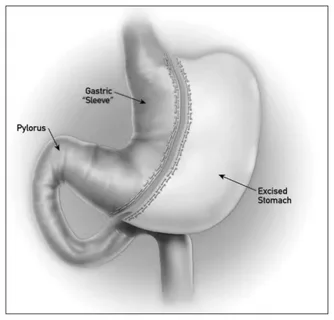
Metabolic syndrome is a group of health conditions that often occur together and can significantly increase the risk of serious diseases such as type 2 diabetes, heart disease, and stroke. It is commonly associated with excess body weight, insulin resistance, high blood pressure, abnormal cholesterol levels, and increased abdominal fat. For people who have struggled with obesity and related metabolic problems despite lifestyle changes, bariatric surgery may provide an effective long term treatment option.
For suitable patients, Gastric Bypass Surgery in Islamabad can be more than a weight loss procedure. Gastric bypass may help improve several metabolic conditions by reducing excess weight and changing certain hormonal and metabolic processes in the body. However, it is important to understand who may benefit, how the procedure works, its potential advantages, and what long term lifestyle changes are required.
What Is Metabolic Syndrome
Metabolic syndrome is not a single disease. Instead, it describes a combination of risk factors that can occur together and increase the likelihood of developing serious health problems.
Main Features of Metabolic Syndrome
-
Abdominal obesity: Excess fat around the waist is strongly associated with metabolic problems.
-
High blood pressure: Elevated blood pressure can place additional strain on the heart and blood vessels.
-
High blood sugar: Insulin resistance can cause blood glucose levels to rise over time.
-
Abnormal cholesterol: Low HDL cholesterol and elevated triglycerides may increase cardiovascular risk.
-
Insulin resistance: The body's cells become less responsive to insulin, making blood sugar regulation more difficult.
When several of these factors occur together, the risk of developing type 2 diabetes and cardiovascular disease can increase substantially.
How Gastric Bypass Surgery Works
Gastric bypass is a type of bariatric surgery designed to help people with obesity achieve significant and sustainable weight loss. During the procedure, the surgeon creates a smaller stomach pouch and connects it to a lower section of the small intestine.
The Two Main Effects of Gastric Bypass
-
Reduced stomach capacity: The smaller stomach pouch allows patients to feel full after eating smaller portions.
-
Changes in nutrient absorption: Food bypasses part of the digestive system, reducing the amount of calories and some nutrients absorbed.
-
Hormonal changes: Gastric bypass can influence hormones involved in appetite, hunger, and blood sugar regulation.
-
Improved insulin sensitivity: Weight loss and metabolic changes can help the body respond more effectively to insulin.
These effects make gastric bypass different from simply following a calorie restricted diet because the procedure can influence both eating behavior and metabolic function.
Can Gastric Bypass Help With Metabolic Syndrome
Yes, gastric bypass can potentially improve several components of metabolic syndrome, particularly in people with obesity who meet accepted criteria for bariatric surgery.
Improvement in Blood Sugar Control
One of the important potential benefits of gastric bypass is improved blood glucose control.
-
Weight loss can reduce insulin resistance.
-
The body may become more responsive to insulin.
-
Blood glucose levels may improve.
-
Some patients with type 2 diabetes experience significant improvement or remission.
-
Diabetes medications may sometimes be reduced under medical supervision.
These improvements can occur alongside weight loss, although the extent of benefit differs between individuals.
Better Blood Pressure Management
Excess weight can contribute to high blood pressure by increasing strain on the cardiovascular system. Significant weight loss after gastric bypass may help lower blood pressure.
-
Reduced body weight can decrease cardiovascular strain.
-
Blood pressure may become easier to control.
-
Some patients may require fewer medications under their physician's supervision.
-
Lower blood pressure can contribute to a reduced long term cardiovascular risk.
Patients should never stop or change blood pressure medication without guidance from their healthcare provider.
Improvement in Cholesterol Levels
Abnormal cholesterol levels are another important component of metabolic syndrome. Weight loss following gastric bypass may contribute to healthier cholesterol and triglyceride levels.
-
Triglyceride levels may decrease.
-
HDL cholesterol may improve.
-
Overall metabolic health may become better.
-
Cardiovascular risk factors can potentially be reduced.
Results depend on factors such as diet, physical activity, genetics, existing medical conditions, and long term adherence to treatment recommendations.
Why Weight Loss Matters for Metabolic Health
Obesity, particularly excess abdominal fat, is closely connected with insulin resistance and inflammation. Losing excess weight can therefore have benefits that extend beyond appearance.
Changes That May Occur After Significant Weight Loss
-
Improved insulin sensitivity
-
Better blood glucose control
-
Reduced blood pressure
-
Healthier cholesterol levels
-
Reduced strain on joints
-
Improved mobility
-
Better sleep quality
-
Lower risk of obesity related health complications
Gastric bypass should therefore be viewed as a metabolic health intervention as well as a weight management procedure.
Who May Consider Gastric Bypass Surgery
Gastric bypass is not suitable for everyone who wants to lose weight. Candidates are generally evaluated based on factors such as body mass index, obesity related health conditions, previous weight loss attempts, overall health, and readiness to follow long term lifestyle changes.
Factors Your Bariatric Team May Consider
-
Your current BMI and weight history
-
Existing obesity related conditions
-
Type 2 diabetes or insulin resistance
-
High blood pressure
-
Sleep apnea
-
Cholesterol abnormalities
-
Previous weight management attempts
-
Medical and surgical history
-
Eating patterns and lifestyle
-
Psychological readiness
-
Ability to attend long term follow up appointments
A detailed consultation is essential before deciding whether gastric bypass is an appropriate option.
Gastric Bypass Surgery in Islamabad
People considering bariatric treatment often search for experienced surgical teams, appropriate facilities, comprehensive consultations, and reliable follow up care. Choosing the right bariatric center is important because successful treatment involves much more than the operation itself.
What to Look for in a Bariatric Surgery Center
-
Experienced bariatric surgeons
-
Appropriate hospital and surgical facilities
-
Preoperative medical assessment
-
Nutritional counseling
-
Anesthesia and surgical support
-
Postoperative monitoring
-
Long term follow up
-
Guidance regarding diet and physical activity
-
Support for managing nutritional deficiencies
A comprehensive approach can help patients understand both the benefits and responsibilities associated with bariatric surgery.
What Happens Before Gastric Bypass Surgery
Before surgery, patients typically undergo a detailed medical assessment. The purpose is to determine whether surgery is appropriate and identify any health issues that need to be addressed beforehand.
Common Preoperative Assessments
-
Medical history evaluation
-
Physical examination
-
Blood tests
-
Blood glucose assessment
-
Blood pressure evaluation
-
Nutritional assessment
-
Anesthesia evaluation
-
Assessment of existing medical conditions
-
Dietary consultation
-
Psychological or behavioral assessment when appropriate
Your surgeon may recommend additional investigations depending on your individual health profile.
Recovery After Gastric Bypass Surgery
Recovery varies from person to person. Immediately after surgery, patients generally follow a carefully structured diet that progresses gradually from liquids to soft foods and eventually regular healthy foods.
Important Recovery Guidelines
-
Follow the prescribed dietary stages.
-
Drink adequate fluids according to your medical team's instructions.
-
Eat slowly and chew food thoroughly.
-
Take recommended vitamins and minerals.
-
Avoid foods that your healthcare team advises against.
-
Begin physical activity gradually.
-
Attend scheduled follow up appointments.
-
Report unusual or concerning symptoms promptly.
Following postoperative instructions is an important part of achieving safe and sustainable results.
Diet After Gastric Bypass
Diet plays a major role in long term success after gastric bypass. Because the stomach pouch is significantly smaller, patients need to focus on nutrient dense foods rather than large meals.
Foods Commonly Emphasized After Surgery
-
Protein rich foods
-
Lean meats and fish
-
Eggs
-
Low fat dairy products when tolerated
-
Vegetables
-
Appropriate fruits
-
Whole grains when introduced by the healthcare team
-
Adequate fluids
Patients should follow an individualized diet plan provided by their bariatric surgeon or dietitian rather than relying on generic online meal plans.
Exercise and Lifestyle Changes
Surgery can provide a powerful tool for weight management, but it does not eliminate the need for healthy lifestyle habits.
Healthy Habits After Gastric Bypass
-
Gradually increase physical activity.
-
Follow your recommended exercise program.
-
Prioritize protein and nutrient rich foods.
-
Maintain adequate hydration.
-
Attend regular medical checkups.
-
Take prescribed nutritional supplements.
-
Monitor your weight and metabolic health.
-
Develop sustainable eating habits.
Combining surgery with healthy lifestyle choices can support better long term outcomes.
Potential Risks and Side Effects
Like any major surgical procedure, gastric bypass has potential risks. The level of risk depends on individual health, surgical factors, and adherence to postoperative recommendations.
Possible Risks May Include
-
Bleeding
-
Infection
-
Blood clots
-
Leakage
-
Nutritional deficiencies
-
Dehydration
-
Dumping syndrome
-
Changes in bowel habits
-
Gallstones
-
Ulcers
-
Weight regain
Your bariatric surgeon should explain the potential benefits and risks before surgery so you can make an informed decision.
Long Term Monitoring After Gastric Bypass
Long term follow up is essential because gastric bypass permanently changes the digestive system. Patients may require ongoing monitoring of their nutritional status and metabolic health.
Follow Up May Include
-
Weight monitoring
-
Blood glucose assessment
-
Blood pressure monitoring
-
Cholesterol testing
-
Vitamin and mineral testing
-
Dietary review
-
Supplement management
-
Lifestyle counseling
Regular follow up can help identify nutritional deficiencies or other issues before they become serious.
Gastric Bypass and Long Term Metabolic Health
The potential metabolic benefits of gastric bypass extend beyond the initial period of weight loss. For appropriate patients, sustained weight reduction may help improve several obesity related health conditions.
However, outcomes are not guaranteed. Long term success depends on multiple factors, including the patient's health, adherence to dietary recommendations, physical activity, follow up care, and ability to maintain healthy habits.
Is Gastric Bypass the Right Choice for You
Deciding whether gastric bypass is appropriate requires an individualized medical evaluation. The procedure can offer significant benefits for people with severe obesity and related metabolic conditions, but it is not a quick fix or cosmetic shortcut.
A qualified bariatric surgeon can evaluate your BMI, medical history, metabolic conditions, previous weight loss efforts, and overall health to determine whether gastric bypass may be suitable for you.
Why Choose Slimthetics Clinic for Bariatric Care
For individuals exploring Gastric Bypass Surgery in Islamabad, choosing a clinic that focuses on comprehensive bariatric care can make the treatment journey more structured and informed. Slimthetics Clinic provides bariatric consultation and weight management services designed around individual patient needs.
Your Bariatric Journey at Slimthetics Clinic
-
Professional assessment before surgery
-
Individualized treatment planning
-
Bariatric surgical consultation
-
Nutritional guidance
-
Postoperative monitoring
-
Long term weight management support
-
Guidance for maintaining healthier lifestyle habits
At Slimthetics Clinic, the goal is not simply to help patients lose weight but to support meaningful improvements in overall health and quality of life. If obesity is affecting your blood sugar, blood pressure, cholesterol, mobility, or daily wellbeing, a personalized bariatric consultation can help you understand whether gastric bypass is an appropriate option for your health goals.
Final Thoughts
Gastric bypass can be an effective treatment option for appropriately selected patients with severe obesity and metabolic health problems. By supporting substantial weight loss and influencing metabolic pathways, the procedure may improve conditions associated with metabolic syndrome, including insulin resistance, type 2 diabetes, high blood pressure, and abnormal cholesterol.
If you are considering gastric bypass, remember that the decision should be based on a complete medical assessment rather than weight alone. Working with an experienced bariatric team and committing to long term nutritional, physical activity, and follow up recommendations can help you get the greatest possible benefit from treatment.

 English
 Arabic
 French
 Spanish
 Portuguese
 Deutsch
 Turkish
 Dutch
Dutch
 Italiano
 Russian
 Portuguese (Brazil)
 Greek
Greek
