


Carbon Fiber Wrapping Contractors for Concrete Strengthening
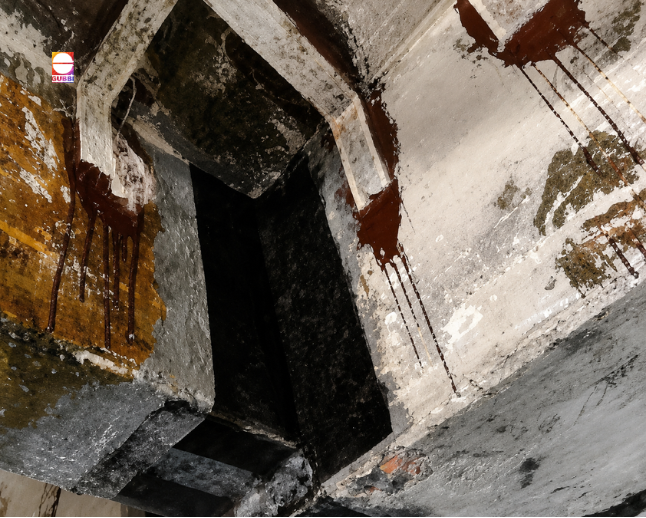
Carbon fiber wrapping has become a practical solution for strengthening aging, damaged, or overloaded concrete structures without adding excessive weight. Unlike conventional strengthening methods, carbon fiber systems can improve structural performance while preserving much of the existing geometry. Property owners, facility managers, and engineers often consider carbon fiber wrapping services when columns, beams, slabs, or other concrete members require additional capacity, confinement, or rehabilitation without extensive demolition.
Why Structures Need Carbon Fiber Strengthening
When concrete members develop cracks, corrosion-related damage, inadequate reinforcement, or increased load requirements, simply repairing the visible surface may not solve the underlying structural concern. Carbon fiber wrapping contractors assess the member, understand the reason for distress, and select an appropriate strengthening system. This makes carbon wrapping more than material application; it becomes part of a planned structural rehabilitation strategy based on existing conditions, design requirements, and site limitations.
What Is Carbon Fiber Reinforced Polymer?
Carbon fiber reinforced polymer, commonly called CFRP, consists of high-strength carbon fibers combined with a suitable polymer resin system. When correctly designed and installed, the composite works with the existing structural member to improve performance. Its high strength-to-weight ratio makes carbon fiber useful where conventional steel strengthening could add considerable weight, require more installation space, or create difficult access conditions around existing concrete members overall.
Benefits of Carbon Fiber Wrapping Services
One major reason clients choose carbon fiber wrapping is the ability to strengthen structures with limited disruption. A properly planned system can often be installed without major changes to building layouts, equipment locations, or usable floor areas. This is valuable in industrial facilities, commercial buildings, parking structures, bridges, and occupied properties where shutting down operations for lengthy structural strengthening work may create significant operational and financial challenges.
Where Carbon Fiber Wrapping Is Used
Carbon fiber wrapping services can address several strengthening requirements, but the exact application depends on structural assessment and engineering design. Columns may require confinement and improved axial performance, while beams can need additional flexural or shear capacity. Slabs and other members may also benefit from CFRP reinforcement. The right solution depends on loads, existing reinforcement, concrete condition, member geometry, environmental exposure, and intended service life.
Carbon Fiber Wrapping for Columns
A common application is carbon fiber wrapping for columns, particularly where additional confinement or strengthening is required. Columns can experience deterioration from corrosion, accidental damage, design deficiencies, increased loads, or changes in building use. CFRP systems can provide external reinforcement around suitable members while maintaining a comparatively thin profile. This approach is useful when conventional jacketing would reduce available space or require more extensive construction activities.
Carbon Fiber Wrapping for Beams
Beam strengthening is another important application for carbon fiber systems. Existing beams may require additional capacity after changes in building usage, increased equipment loads, structural deterioration, or deficiencies identified during assessment. Depending on the engineering requirement, CFRP materials can improve flexural or shear performance. Successful beam strengthening depends on correct surface preparation, anchorage details where required, resin selection, installation quality, and adherence to the engineered strengthening scheme.
Selecting Experienced Carbon Fiber Wrapping Contractors
Before selecting carbon fiber wrapping contractors, clients should understand that material quality alone does not guarantee structural performance. The contractor must understand concrete repair, substrate preparation, resin application, fiber orientation, curing requirements, and safety. More importantly, installation should follow an engineering design appropriate to the structure. Experienced carbon fiber wrapping contractors coordinate assessment, repair preparation, material application, inspection, and documentation rather than treating wrapping as simple finishing.
Importance of Proper Surface Preparation
Surface preparation is an important stage in a carbon fiber strengthening project. Loose concrete, dust, laitance, coatings, grease, and other contaminants can affect bonding between the existing substrate and the CFRP system. Damaged concrete may need suitable repair before wrapping begins. Sharp edges are treated according to system requirements, while cracks, voids, and uneven areas are addressed so the strengthening material can achieve proper contact and load transfer.
How Carbon Fiber Wrapping Is Installed
The installation process generally begins after the structural member has been assessed and prepared. The specified resin or primer is applied to the prepared surface, followed by placement of carbon fiber fabric or the selected CFRP component in the required orientation. Additional resin is used according to the system specification to integrate the fibers. Layers, overlaps, anchorage, and curing are controlled carefully because installation errors can influence final strengthening performance when conditions permit.
Environmental Conditions and CFRP Installation
Environmental conditions can affect carbon fiber wrapping work. Temperature, humidity, moisture, surface condition, and chemical exposure should be considered before and during installation. Resin systems have specific application requirements, and the substrate must meet relevant conditions for bonding. For outdoor or aggressive environments, the completed system may require protective measures based on project design. Proper planning helps prevent premature deterioration and supports long-term performance.
Is Carbon Fiber Wrapping Suitable for Every Structure?
A structural assessment should come before deciding whether carbon fiber wrapping is appropriate. Visible cracks or concrete deterioration do not automatically mean CFRP is the correct solution. Engineers may investigate concrete strength, reinforcement details, corrosion, load conditions, member dimensions, damage patterns, and the cause of distress. In some cases, concrete repair, steel jacketing, concrete jacketing, or another strengthening method may be suitable. The objective is to address the structural requirement.
Factors Affecting Carbon Fiber Wrapping Cost
Cost is another major consideration for property owners searching for carbon fiber wrapping services. The final price cannot be determined accurately from area or material quantity alone because conditions vary. Costs can depend on structural assessment, access, substrate repair, number of layers, fiber type, resin system, surface preparation, scaffolding, protection, testing, and site conditions. Comparing contractors only by quoted material rates may overlook factors that affect quality and value.
How to Choose Carbon Wrapping Contractors
For clients evaluating carbon wrapping contractors, it is useful to ask how the contractor manages quality control from assessment through completion. Important considerations include technical experience, trained installation teams, approved materials, surface preparation procedures, curing controls, inspection practices, safety systems, and project documentation. A contractor should also explain the proposed strengthening approach clearly. Choosing a capable team can reduce installation risks and help ensure the work follows engineering requirements.
Lightweight Structural Strengthening Solution
Carbon fiber wrapping can be valuable when structural strengthening must be completed with minimal added dead load. Traditional strengthening systems can involve heavier steel or concrete components, additional supports, larger construction zones, and longer installation periods. CFRP is lightweight and can be adapted to many member shapes. However, its benefits should always be evaluated against the structural problem, environmental conditions, fire requirements, constructability, and the overall strengthening design.
Fire Protection and Carbon Fiber Systems
Fire performance and protective requirements should not be overlooked when planning CFRP strengthening. Carbon fibers have different properties from the resin matrix that holds the system together, and the resin can have temperature limitations. Where required, suitable fire protection or protective coatings may need to be incorporated. The design team should consider the building's fire strategy, exposure conditions, occupancy requirements, and applicable standards before finalizing the strengthening system and protection.
Minimizing Disruption During Structural Repairs
For industrial and commercial properties, structural strengthening often needs to happen without completely stopping operations. Carbon fiber wrapping can support phased repair strategies when access, safety, and sequencing are properly planned. Sections can sometimes be prepared and strengthened in stages around operational constraints. This does not eliminate temporary restrictions or safety controls, but it can help reduce disruption compared with more invasive structural rehabilitation methods in suitable applications.
Experience Matters When Choosing Contractors
Selecting the right carbon fiber wrapping contractors should also involve reviewing previous experience with similar structures. A team familiar with residential buildings may not have the same experience required for industrial plants, bridges, parking structures, or heavily loaded commercial facilities. Ask whether the contractor has handled comparable member types, access conditions, environmental exposure, and strengthening requirements. Project-specific experience can help identify practical installation challenges before they become costly during execution.
Choosing a Structural Strengthening Partner
For organizations planning structural rehabilitation, the best approach is to treat carbon fiber strengthening as part of a repair strategy rather than an isolated product purchase. A professional assessment can identify whether deterioration must first be repaired, whether corrosion protection is needed, and where strengthening is actually required. For projects, Gubbi Civil Engineers Limited can be considered when clients need a structured approach combining assessment, repair planning, and strengthening execution.
Long-Term Performance of Carbon Fiber Wrapping
The expected service life of a CFRP strengthening system depends on design, material compatibility, installation quality, environmental exposure, and maintenance. Good workmanship begins with a sound substrate and continues through correct fiber placement, resin saturation, curing, protection, and inspection. Regular structural maintenance remains important after strengthening. Carbon fiber should not be viewed as a substitute for addressing water ingress, corrosion, concrete deterioration, or other conditions that contributed to structural distress.
What to Prepare Before Hiring a Contractor
Before appointing a carbon fiber wrapping contractor, prepare clear information about the structure and the problem being investigated. Drawings, previous repair records, structural audit findings, photographs, access limitations, operating conditions, and known load changes can help the team understand the project. A site inspection may then determine the required repair sequence and strengthening scope. Clear information can improve planning, reduce unexpected work, and support more reliable project budgeting.
Ultimately, carbon fiber wrapping is most effective when engineering judgment and installation quality work together. It offers a lightweight and adaptable method for strengthening suitable concrete members while potentially reducing disruption compared with heavier conventional systems. Clients searching for carbon fiber wrapping services should focus on the complete solution: assessment, design, substrate repair, material selection, skilled installation, protection, inspection, and maintenance. This approach supports safe, durable, and practical rehabilitation decisions.

 English
 French
 Spanish
 Portuguese
 Deutsch
 Turkish
 Dutch
Dutch
 Italiano
 Russian
 Romaian
 Portuguese (Brazil)
 Greek
Greek
