


How Should jiangsuxinfeng Power Drills Match Different Jobs?
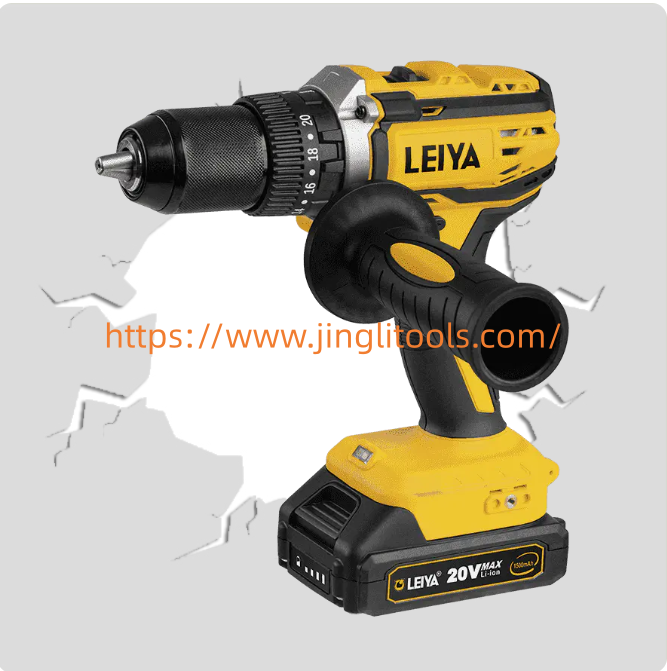
Power Drills can be used across many workshop, repair, installation, and home improvement tasks, but the right configuration depends on what you plan to drill and how often the tool will be used. Wood, metal, plastic, tile, and masonry all respond differently to drilling. Rather than selecting equipment by one specification alone, buyers can look at the material, hole dimensions, bit type, speed, torque, battery system, and working environment together.
Start With the Material
The workpiece should guide the initial selection.
Wood is commonly drilled for furniture, cabinetry, framing, installation, and general workshop projects. Different wood products can respond differently depending on density, thickness, and the required hole finish. A suitable wood bit can help control the entry point and cutting action.
Metal requires a different approach. Heat can build up through friction, particularly when drilling harder materials or using larger bits. HSS and other metal-oriented bits are commonly selected for metal applications, while drilling speed and lubrication may need to be adjusted according to the material.
Plastic also deserves attention because excessive friction can generate heat and affect the shape of the hole. Masonry materials such as brick and concrete generally require suitable masonry bits, with hammer action being relevant for certain applications. (This Old House notes that suitable bits allow drill/drivers to handle materials including wood, metal, and masonry.)
Choose the Bit Before the Speed
The machine is only part of the drilling system. The bit directly contacts the workpiece, so its material, diameter, shape, and intended application should be considered before setting the tool.
A wood bit is not designed around the same cutting conditions as a metal bit. Likewise, masonry requires an accessory intended for abrasive mineral-based materials.
Hole diameter matters as well. A small pilot hole places different demands on the tool than a large opening made with a hole saw or another specialty accessory.
Before starting a job, check the accessory manufacturer's recommended materials and size range. This simple step can help prevent an unsuitable combination of bit and workpiece.
Match Torque and Speed to the Task
Torque and speed work together during drilling and fastening.
Lower speeds can be useful when greater control is needed, while different materials and bit diameters may require different operating conditions. Many cordless models provide multiple speed settings or adjustable controls so operators can adapt the tool to the task.
Torque is particularly relevant when driving fasteners or working with larger bits. A higher torque setting is not automatically appropriate for every job. Too much force can damage a fastener, accessory, or workpiece.
Current buying guidance also treats torque, RPM, and adjustable settings as useful factors when comparing cordless drill configurations.
What Does Chuck Size Tell You?
Chuck capacity affects the range of bits that can be secured in the tool.
A common cordless configuration uses a 3/8-inch or 1/2-inch chuck, although other formats are available. The appropriate size depends on the accessories and applications the user expects to handle.
For general workshop purchasing, it can be helpful to compare the chuck capacity with the largest bit sizes normally used. Buyers should also check whether the intended accessories are compatible with the chuck mechanism.
This is especially relevant for distributors building a product range. Different customers may need different chuck configurations depending on their applications.
How Important Is Battery Capacity?
For cordless equipment, battery specifications deserve attention alongside the tool itself.
Voltage can provide an indication of the electrical platform, while amp-hour capacity relates to the amount of stored energy. However, battery capacity also affects weight, charging requirements, and how the tool is handled during extended work.
A workshop that performs short drilling jobs may have different battery requirements from a team working throughout the day. Some users may prefer having two batteries so one can be used while the other is charging.
Battery compatibility can also influence purchasing decisions when customers want to use several cordless tools within the same product system.
Consider the Operator and Workspace
Technical specifications are not the only things that matter.
Tool weight, balance, handle design, trigger control, and overall dimensions can affect handling during repeated work. If the operator needs to drill overhead, work inside a narrow cabinet, or move around a construction site, tool dimensions may become especially relevant.
A cordless design can provide freedom of movement where electrical outlets are limited or cables would interfere with the task. A corded model may suit a fixed workstation where continuous electrical access is available.
The right configuration therefore depends on how and where the equipment will actually be used.
Think About Your Product Range
For distributors and importers, product selection involves more than choosing one model.
jiangsuxinfeng provides power tool manufacturing solutions for different workshop and industrial applications. Buyers can consider product configurations according to voltage, chuck size, motor type, torque range, speed settings, battery options, packaging, and intended market.
It can also be useful to discuss accessories, replacement components, product documentation, customization requirements, and order specifications with the manufacturer before building a purchasing plan.
A clear understanding of customer applications can help distributors organize different models around woodworking, metalworking, installation, maintenance, construction, and general workshop tasks.
Build Your Choice Around the Job
Choosing a suitable cordless drilling solution becomes easier when the process starts with practical questions.
What material will be drilled? What hole size is required? Which bit will be used? How frequently will the tool operate? Does the workspace require cordless mobility? What battery capacity and chuck size fit the application?
Answering these questions gives buyers a useful framework for comparing different configurations without relying on a single specification.
jiangsuxinfeng works with customers seeking power tool solutions for different professional and workshop applications. Product information and available solutions can be reviewed at https://www.jinglitools.com/

 English
 Arabic
 French
 Portuguese
 Deutsch
 Turkish
 Dutch
Dutch
 Italiano
 Russian
 Romaian
 Portuguese (Brazil)
 Greek
Greek
