


Property Snagging Guide for Smart Home Buyers
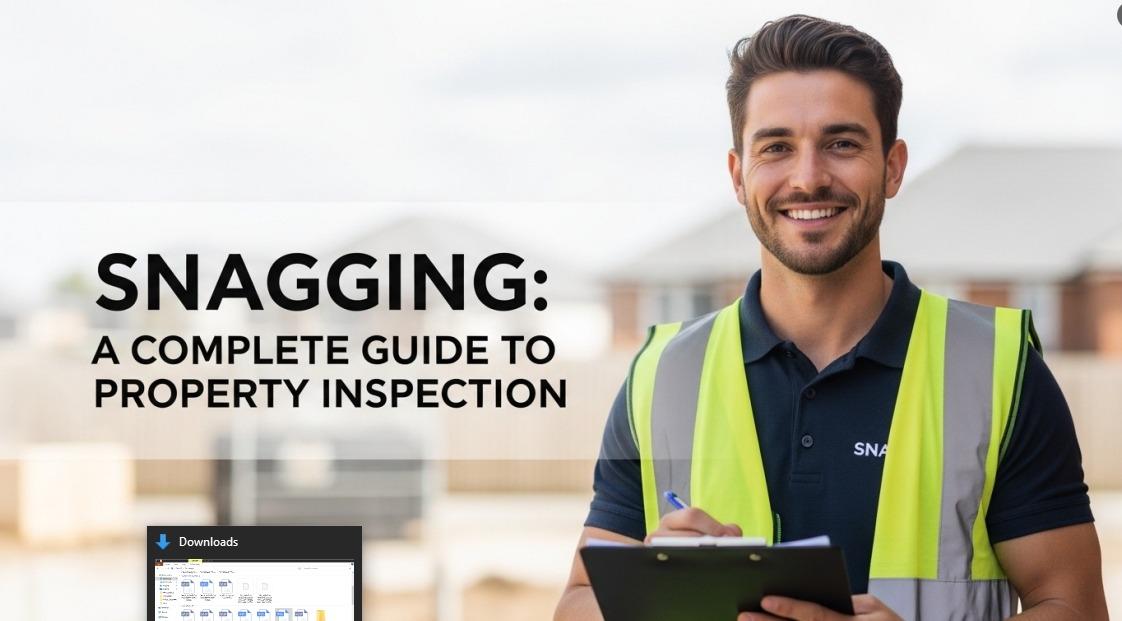
Property snagging is a vital step in the property buying journey that helps ensure your new home is delivered in perfect condition. It involves a careful inspection of the property to identify defects, unfinished work, or poor construction quality before you fully take ownership. This process is especially useful for newly built homes, but it can also be applied to resale properties.
For many buyers, property snagging acts as a safety check. It ensures that everything in the home works properly and meets expected standards. Without this process, small issues can go unnoticed and later turn into expensive repairs.
What Is Property Snagging?
Property snagging is the process of examining a property in detail to find faults or imperfections. These faults, known as snags, may include cosmetic issues like uneven paint or more serious problems like faulty wiring or plumbing.
After inspection, a snagging list is created. This list includes all the issues found in the property and is shared with the builder or seller. They are then expected to fix these problems before the final handover.
Why Property Snagging Matters
Property snagging is important because it protects your investment. Buying a home is a major financial commitment, and any hidden defects can lead to stress and additional costs later.
By identifying problems early, you can ensure that the developer takes responsibility for repairs. It also gives you confidence that your new home is safe, comfortable, and built to a good standard.
Common Problems Found During Snagging
During a snagging inspection, many types of issues can be discovered. These problems can affect both the appearance and functionality of the property.
Common snagging issues include:
- Poor finishing on walls and ceilings
- Doors and windows that do not close properly
- Leaking pipes or poorly fitted fixtures
- Electrical sockets that are not working
- Uneven flooring or loose tiles
- Cracks or gaps in surfaces
Even minor defects can reduce the quality of your living experience, so it is important to address them early.
The Property Snagging Process
The snagging process begins with a detailed inspection of the entire property. Each area, including rooms, kitchens, bathrooms, and external spaces, is carefully checked.
Inspectors look at structural elements, fittings, and finishes. They test utilities like water supply and electricity to ensure everything functions properly.
Once the inspection is complete, a detailed snagging report is prepared. This report clearly lists all identified issues. The builder or seller then reviews the report and completes the necessary repairs.
After the fixes are done, a follow-up inspection may be carried out to confirm that all issues have been resolved.
When Should You Carry Out Property Snagging?
The best time to perform property snagging is before you move into the property. This allows you to highlight issues while the builder is still responsible for fixing them.
It is also helpful to inspect the property again after some time, as certain defects may appear later due to usage or environmental factors.
Benefits of Property Snagging
Property snagging offers several advantages that make it an essential step for buyers.
- Helps detect hidden issues early
- Ensures better construction quality
- Reduces future repair costs
- Improves safety and comfort
- Gives peace of mind to homeowners
By addressing defects before moving in, you can avoid unnecessary hassle and enjoy your property from the start.
DIY Snagging or Professional Help
Some buyers choose to inspect their property themselves, while others hire professionals. Both approaches have their advantages.
A DIY inspection can help you notice visible issues, especially if you take your time and check carefully. However, professionals have the expertise to identify hidden problems that may not be obvious.
Professional snagging services use advanced tools and follow a structured process to ensure a thorough inspection. This can be especially useful for larger or more complex properties.
Tips for Effective Property Snagging
To get the best results from property snagging, it is important to be thorough and organized.
- Inspect the property during daylight for better visibility
- Check every room and corner carefully
- Test all fixtures, fittings, and appliances
- Take clear notes of any defects
- Communicate clearly with the builder or seller
Paying attention to detail can make a big difference in ensuring your property is in perfect condition.
FAQs
What does property snagging include?
Property snagging includes inspecting the entire property for defects, such as construction faults, poor finishing, and issues with electrical or plumbing systems.
Is property snagging necessary for new homes?
Yes, even new homes can have defects. Property snagging ensures that these issues are identified and fixed before you move in.
Can I carry out snagging on my own?
Yes, you can perform snagging yourself, but professional inspections are more detailed and can identify hidden issues.
What happens after the snagging report is prepared?
The report is given to the builder or seller, who is responsible for fixing the identified issues before final handover.
Does snagging only cover visible problems?
No, snagging can also identify hidden issues, especially when carried out by experienced professionals.
Why is property snagging important for buyers?
It helps protect your investment by ensuring that your property is safe, functional, and free from defects.
Conclusion
Property snagging is a crucial step that ensures your new home meets the quality and safety standards you expect. It allows you to identify and fix issues before they become bigger problems, saving time, money, and stress in the future.
Whether you choose to do it yourself or hire professionals, the key is to carry out a detailed inspection and address all defects properly. A well-executed snagging process gives you confidence in your purchase and helps you enjoy your new home without worry.

 English
 Arabic
 French
 Spanish
 Portuguese
 Deutsch
 Turkish
 Dutch
Dutch
 Russian
 Romaian
 Portuguese (Brazil)
 Greek
Greek
