


How to Clean a Wound Based on Its Type: Cuts, Scrapes, Punctures, and More
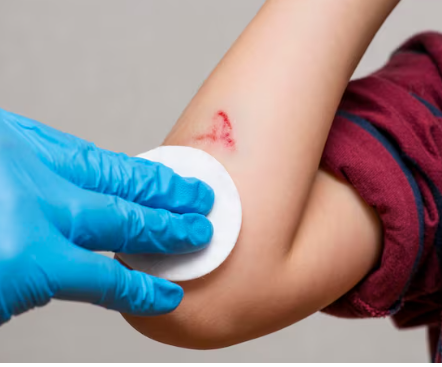
Not every wound is the same, so treating every injury with exactly the same routine can be a mistake. A shallow scrape from falling on a sidewalk has different care considerations than a deep cut from a sharp object or a puncture from stepping on something pointed. Understanding how to clean a wound begins with recognizing what kind of injury you are dealing with and whether basic home care is appropriate.
The size, depth, cause, location, and amount of contamination can all influence wound care. Some minor injuries can be cleaned and protected at home, while others require professional assessment even when the opening looks small.
First, Identify What Happened
Before cleaning an injury, consider how it occurred. Did the skin scrape against a rough surface? Was it cut by a sharp object? Did something puncture the skin? Was the injury caused by a bite?
The mechanism of injury provides useful information about potential contamination and tissue damage. A wound that looks small on the surface may still extend deeper into the tissue.
Start by washing your hands with soap and clean water. If the wound is bleeding, apply steady pressure using clean gauze or a clean cloth before focusing on cleaning.
Scrapes: Focus on Gentle Rinsing
Scrapes, also called abrasions, occur when the skin rubs against a rough surface. They commonly affect the knees, elbows, hands, and other exposed areas.
Because a scrape can cover a relatively large surface area, it may contain dust, sand, or tiny particles. When considering how to clean a wound caused by an abrasion, gentle rinsing is usually more appropriate than aggressive scrubbing.
Allow clean running water to wash over the affected area. Remove loose debris without repeatedly rubbing the skin.
If dirt remains deeply embedded or the abrasion is extensive, professional evaluation may be appropriate.
Small Cuts: Clean After Controlling Bleeding
A minor cut occurs when something sharp breaks the skin. Kitchen utensils, paper edges, tools, and household objects can all cause cuts.
The first priority is bleeding control. Apply direct, steady pressure with clean gauze or a clean cloth.
Once bleeding has stopped or significantly decreased, gently rinse the cut with clean water. Clean the surrounding skin carefully and avoid aggressive rubbing.
A suitable dressing can help protect the injury from dirt and friction.
Deep Cuts Need More Than Basic Cleaning
A deep cut should not automatically be treated like a minor scratch. If the wound is deep, widely separated, or associated with significant bleeding, professional medical assessment may be necessary.
Cuts that affect sensation or movement can also involve deeper structures beneath the skin.
In these circumstances, attempting to repeatedly clean the wound at home should not delay medical care. Apply appropriate pressure to control bleeding and seek professional attention.
Puncture Wounds Can Be Deceptive
A puncture wound may have a tiny opening while extending deeper beneath the surface. These injuries can occur from nails, needles, sharp tools, or other pointed objects.
Because the visible opening does not necessarily indicate the depth of tissue injury, punctures may require professional assessment.
Do not forcefully probe the wound or attempt to enlarge the opening so that you can clean deeper inside. This can cause additional injury.
If a puncture wound is heavily contaminated, painful, deep, or caused by a potentially contaminated object, seek appropriate medical advice.
Animal and Human Bites Require Extra Attention
Bites deserve special consideration because bacteria can be introduced into tissue through the teeth.
Even a bite that appears small can become infected. The appropriate response may depend on the animal or person involved, the location of the wound, and the circumstances surrounding the injury.
Clean the area gently as an initial first-aid measure, but do not assume that cleaning alone is sufficient. Professional evaluation may be appropriate after an animal or human bite.
Burns Are Not Ordinary Wounds
A burn involves tissue damage caused by heat, chemicals, electricity, or other sources. It should not automatically be treated using the same routine as a cut or scrape.
The appropriate first aid depends on the type and severity of the burn. Extensive burns, deep burns, electrical injuries, chemical exposure, and burns affecting sensitive areas require prompt medical assessment.
Do not apply random household substances to a burn simply because they are available.
Wounds With Embedded Objects
Sometimes an injury contains glass, metal, wood, gravel, or another foreign object. If the material is deeply embedded, do not attempt to dig it out yourself.
Trying to remove an object can increase bleeding, damage surrounding tissue, or make the injury worse.
Instead, protect the area and seek professional medical assessment. The appropriate method of removal depends on the object and the injury.
Wounds on the Hands Need Special Care
The hands are involved in countless daily activities, so injuries in this area can interfere with normal movement.
A small superficial cut may be managed with basic wound care, but deeper injuries involving the fingers, joints, nails, or palm can require more careful evaluation.
If a hand injury causes numbness, weakness, reduced movement, or significant swelling, seek professional attention.
Wounds Near Joints Can Reopen Easily
Injuries around the knee, elbow, ankle, wrist, or other joints are repeatedly exposed to movement.
Even after bleeding stops, bending and stretching can place stress on healing tissue. Protecting the area from unnecessary friction and excessive movement may help prevent repeated irritation.
If movement causes significant pain or the wound repeatedly separates, professional assessment may be useful.
Face and Eye Injuries Need Caution
Cuts and wounds near the eyes or other sensitive facial structures should be treated carefully.
An injury involving the eye itself, significant facial tissue, or an area with substantial bleeding may require professional evaluation. Do not apply inappropriate products near the eye simply because they are commonly used elsewhere on the skin.
When the location is sensitive, it is better to seek specific medical guidance than rely on general wound-care methods.
How Cleaning Changes With Contamination
The amount and type of contamination matter. A clean kitchen cut and a scrape that occurred on muddy ground do not present exactly the same circumstances.
For a minor contaminated wound, gentle rinsing with clean running water can help remove loose material. Avoid aggressive scrubbing or probing.
If contamination is extensive or material remains embedded, professional treatment may be necessary.
What Every Minor Wound Has in Common
Although wound types differ, several basic principles remain useful.
Wash your hands before handling the injury. Control bleeding when necessary. Use clean water to rinse suitable minor wounds. Avoid unnecessary trauma to damaged tissue. Protect the area with an appropriate dressing and monitor its progress.
These steps provide a foundation for understanding how to clean a wound without assuming every injury requires the same level of treatment.
Recognizing Possible Infection
Regardless of wound type, monitor for changes that may indicate infection.
Increasing redness, warmth, swelling, worsening pain, pus-like drainage, unpleasant odor, or fever can be concerning.
Redness that spreads beyond the immediate wound area should receive particular attention. If the injury appears increasingly worse rather than gradually improving, seek professional medical evaluation.
When a Wound Should Be Professionally Assessed
Home wound care is not appropriate for every injury. Seek medical attention for severe bleeding, deep or widely separated wounds, significant tissue damage, embedded objects, bites, serious punctures, or injuries affecting movement or sensation.
You should also seek guidance when you cannot determine how deep the wound is or when the injury is not improving as expected.
People with circumstances that may interfere with normal healing may require individualized wound-care advice as well.
Think Beyond the Appearance
A wound's surface appearance can sometimes be misleading. A tiny puncture may extend deeper than a large superficial scrape, while a broad abrasion may be painful but limited to the upper layers of skin.
That is why the cause and characteristics of an injury matter when deciding how to manage it.
Rather than choosing a treatment solely because a wound “looks small,” consider the mechanism, depth, contamination, location, and symptoms.
Conclusion
Understanding how to clean a wound requires more than memorizing one universal routine. Scrapes, cuts, punctures, bites, burns, and wounds containing foreign objects can have different care considerations.
Gentle cleaning and protection may be suitable for many minor injuries, but deep wounds, severe bleeding, bites, punctures, embedded objects, and injuries involving movement or sensation may require professional evaluation.
The safest approach is to match the level of care to the type and severity of the injury while avoiding aggressive cleaning methods that can cause additional damage.
FAQs
Are puncture wounds more serious than ordinary cuts?
A puncture can be concerning because the visible opening may be small even when the injury extends deeper into tissue. Depending on its cause and depth, professional assessment may be appropriate.
How should I clean a scraped knee?
Wash your hands and gently rinse the scrape with clean running water. Remove only loose debris without aggressive scrubbing, then protect the area with a suitable clean dressing if needed.
Do animal bites need medical attention?
Animal bites can introduce bacteria into tissue and may require professional evaluation. Do not assume that cleaning the wound at home completely addresses the risks associated with a bite.
What if a wound contains glass or another object?
Do not dig into the injury or forcefully remove a deeply embedded object. Protect the area and seek professional medical assessment.

 Arabic
 French
 Spanish
 Portuguese
 Deutsch
 Turkish
 Dutch
Dutch
 Italiano
 Russian
 Romaian
 Portuguese (Brazil)
 Greek
Greek
