


Alopecia Areata Causes, Symptoms & Treatment
· Sudden hair loss can feel confusing, frightening, and isolating.
· Young people may notice bald patches without warning.
· Understanding the cause can reduce unnecessary worry.
· Early professional evaluation helps distinguish different hair-loss conditions.
· Remember, hair loss does not define your identity.
What is Alopecia Areata?
· Alopecia Areata is an autoimmune condition affecting hair follicles.
· The immune system mistakenly targets healthy hair follicles.
· Hair loss can affect the scalp, beard, eyebrows, or eyelashes.
· It is not contagious and cannot spread between people.
· Many people experience regrowth, although recurrence remains possible.
How Does It Develop?
· The immune response temporarily disrupts normal follicle growth. Visit Us www.honneteaesthetics.com
· This can create smooth, round, or oval bald patches.
· New patches may appear while older areas regrow.
· Stress may influence flare-ups but does not directly cause disease.
· A dermatologist can confirm the diagnosis through examination.
Types of Alopecia Areata
· Different patterns describe how extensively hair loss develops.
· Recognizing the pattern helps guide appropriate treatment decisions.
· Severity can change over time in individual patients.
· Some people remain stable with limited patchy loss.
· Others may develop more widespread hair loss.
Patchy alopecia areata.
· This common form causes one or multiple bald patches.
· Patches usually appear smooth without obvious scalp inflammation.
· They may affect scalp, beard, eyebrows, or eyelashes.
· Hair can regrow naturally in some affected areas.
· New patches can still develop during regrowth.
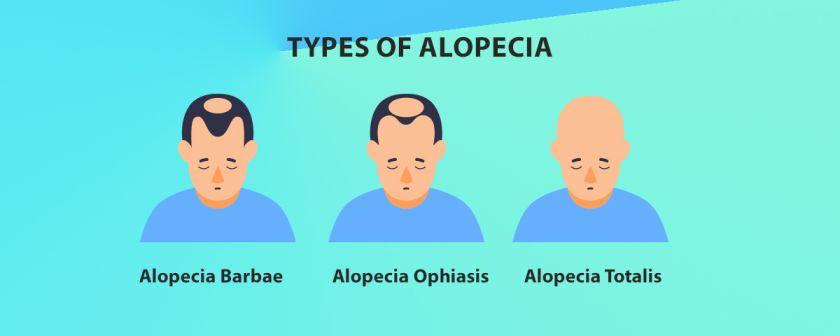
Alopecia totalis.
· Alopecia totalis means complete scalp hair loss occurs.
· It can develop after widespread patchy hair loss.
· Young people can experience this more extensive pattern.
· Regrowth remains possible, but outcomes vary considerably.
· Dermatological monitoring becomes especially important with extensive loss.
Alopecia universalis.
· Alopecia universalis involves hair loss across the body.
· Scalp, eyebrows, eyelashes, beard, and body hair may disappear.
· Nail changes can sometimes accompany extensive disease.
· This form is uncommon but can be emotionally challenging.
· Specialist treatment may help manage widespread hair loss.
Things to Avoid When You Have Alopecia Areata
· Avoid tight hairstyles that pull repeatedly on vulnerable hair.
· Limit harsh chemical treatments and excessive heat styling.
· Do not scratch, aggressively massage, or pick affected areas.
· Avoid unverified supplements promising guaranteed hair regrowth.
· Never delay diagnosis because online remedies seem convincing.
Causes and Risk Factors of Alopecia Areata
· Genetic susceptibility can increase the likelihood of developing disease.
· Family history may indicate increased autoimmune vulnerability.
· Thyroid disease, vitiligo, psoriasis, and eczema can coexist.
· Smoking may also be associated with increased disease risk.
· Having risk factors does not guarantee future hair loss.
Symptoms of Alopecia Areata Self-care
· Sudden smooth bald patches are the classic visible symptom.
· Some people experience itching, tingling, or burning sensations.
· Eyebrow or eyelash loss can affect eye protection.
· Nail dents, ridges, brittleness, or splitting may occur.
· Report new or rapidly spreading symptoms promptly.
Hair Changes
· Hair may regrow with a thinner or lighter appearance.
· Short broken hairs can appear around active patches.
· Some areas may recover while others continue shedding.
· Eyebrow and eyelash loss deserves careful cosmetic planning.
· Photographing patches monthly can help track progression.
Home Treatment Tips
· Home care should protect remaining hair and scalp comfort.
· It cannot replace professional diagnosis or medical treatment.
· Choose simple routines rather than aggressive regrowth experiments.
· Track changes using consistent lighting and photographs.
· Seek specialist advice when loss becomes persistent or extensive.
Nutrition & Lifestyle
· Eat balanced meals containing sufficient protein and micronutrients.
· Iron, vitamin D, and other deficiencies require medical assessment.
· Do not take high-dose supplements without professional guidance.
· Regular sleep and exercise support overall physical wellbeing.
· Stress management can improve coping during unpredictable flare-ups.
Gentle Hair Care
· Use gentle cleansing suited to your scalp needs.
· Avoid tight ponytails, braids, extensions, and repeated traction.
· Reduce frequent straightening, bleaching, and high-temperature styling.
· Protect exposed scalp from strong sunlight and cold.
· Choose soft hats or scarves when coverage feels comfortable.
Advanced Alopecia Areata Treatment Options
· Treatment depends on age, severity, duration, and affected areas.
· Some mild cases can reasonably receive observation initially.
· Prescription therapies may reduce immune activity around follicles.
· Extensive disease may require systemic treatment approaches.
· A dermatologist should individualize every treatment plan.
Medications & Topical Therapies
· Corticosteroids are commonly used for limited patchy disease.
· Minoxidil may support maintenance of regrown hair.
· Contact immunotherapy can be considered for extensive cases.
· JAK inhibitors are newer options for eligible patients.
· Medication choice requires assessment of benefits and risks.
Alopecia Areata Injection Therapies
· Corticosteroid injections can target individual bald patches directly.
· Dermatologists commonly repeat injections several weeks apart.
· Visible regrowth may begin within several months when effective.
· Temporary discomfort or skin changes can occur after injections.
· These injections require administration by trained medical professionals.
Platelet-Rich Plasma (P-RP) Therapy
· PRP uses concentrated platelets prepared from your own blood.
· Research suggests potential benefits for selected alopecia patients.
· However, evidence for alopecia areata remains limited.
· Studies show uncertainty regarding effectiveness compared with steroids.
· Discuss realistic expectations before choosing PRP therapy.
Alopecia Areata Hair Transplant
· Hair transplantation is generally not a first-line treatment.
· Active autoimmune attacks can affect transplanted follicles too.
· Transplant suitability depends strongly on disease stability.
· A specialist must assess diagnosis, activity, and donor supply.
· Do not confuse autoimmune alopecia with pattern baldness.
Life Support & Counseling
· Hair loss can affect confidence, relationships, school, and work.
· Counseling can help young people manage emotional distress.
· Support groups may reduce feelings of isolation and embarrassment.
· Wigs, hairpieces, scarves, and cosmetic options remain valid choices.
· Seeking emotional support is a strength, never a weakness.
· Professional evaluation at Honnete Aesthetics can be considered alongside dermatologist-led care.
· Any clinic should prioritize diagnosis, realistic expectations, and safety.
Final Thoughts
Alopecia areata can be unpredictable, but treatment options continue improving.
Accurate diagnosis is the foundation for responsible hair-loss management.
Avoid miracle cures, aggressive routines, and unsupported medical promises.
Track changes, protect your scalp, and seek qualified guidance.
With appropriate care, confidence can grow alongside treatment progress.
Honnete Aesthetics can be one option for discussing hair-restoration concerns, but treatment should follow an appropriate medical assessment.

 Arabic
 French
 Spanish
 Portuguese
 Deutsch
 Turkish
 Dutch
Dutch
 Italiano
 Russian
 Romaian
 Portuguese (Brazil)
 Greek
Greek
