


How Coarse and Fine Hair Behave Differently During Laser Hair Removal
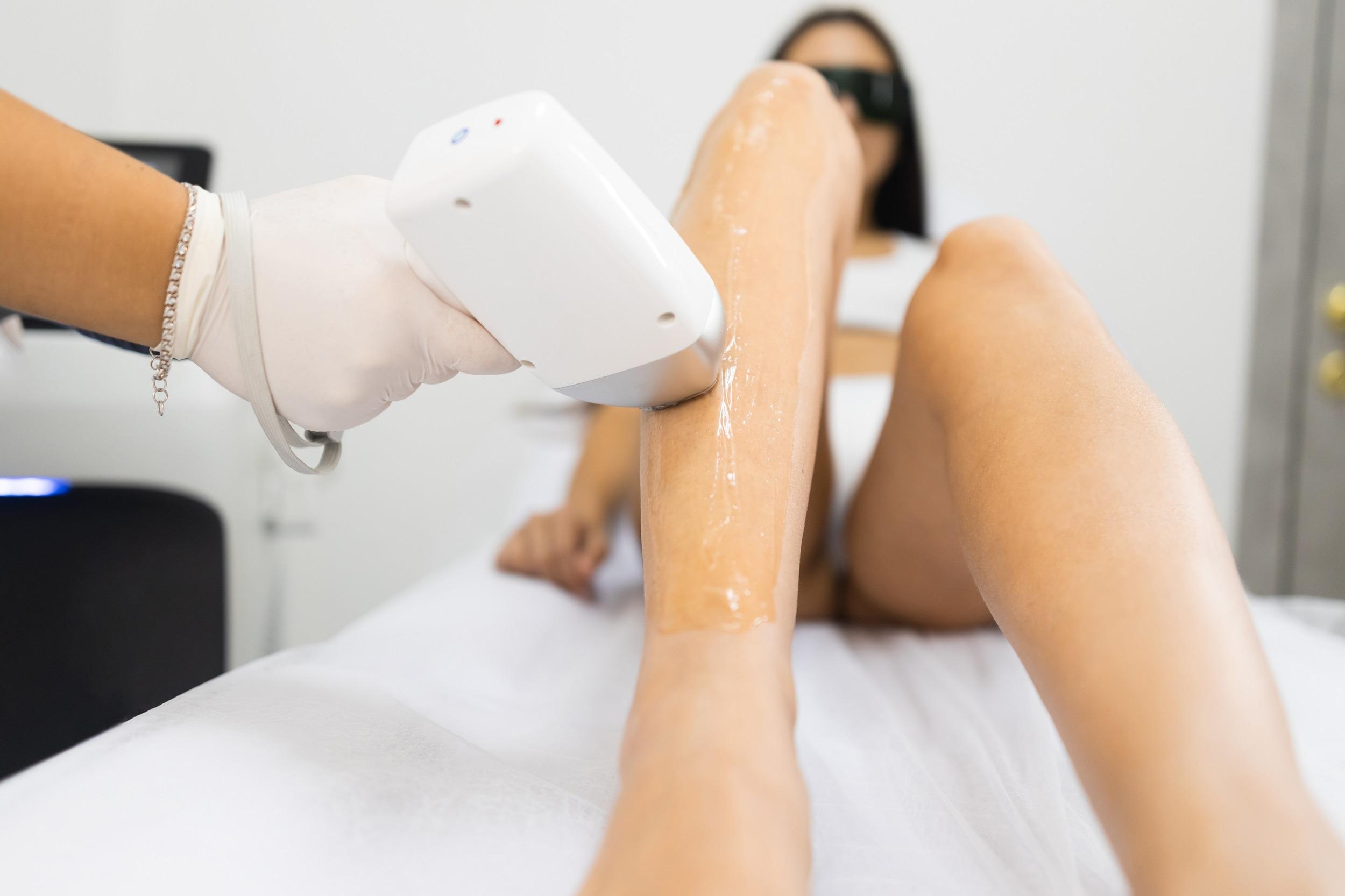
Hair thickness is one of the important factors that can influence how the skin and hair respond during laser treatment. Coarse and fine hairs contain different amounts of pigment and have different physical characteristics, which can affect how effectively laser energy is absorbed. For people considering Laser Hair Removal In Islamabad, understanding the difference between coarse and fine hair can help set realistic expectations about treatment response, session requirements, and long-term hair reduction.
What Makes Coarse and Fine Hair Different?
Hair thickness refers to the diameter of the individual hair shaft.
Coarse hair has a larger diameter and is often more noticeable on the skin. Fine hair has a smaller diameter and may be softer, lighter, or less visible.
These differences matter during laser hair removal because the treatment relies on absorbing light energy through pigment in the hair.
Coarse, dark hair generally provides a stronger target for many laser systems, while very fine hair may contain less pigment and can be more challenging to treat.
How Laser Hair Removal Targets Hair
Laser hair removal uses concentrated light energy to target pigment within the hair.
The pigment absorbs the energy, which is converted into heat. This heat can affect structures within the hair follicle that contribute to hair growth.
The goal is to target the follicle while protecting the surrounding skin.
Because hair thickness, pigmentation, and follicle characteristics differ from person to person, treatment settings may need to be customized rather than using the same approach for everyone.
Why Coarse Hair Often Responds Differently
Coarse hair usually has a larger diameter and can contain a greater amount of pigment.
This can provide the laser with a more substantial target.
For example, coarse dark hair in areas such as the underarms or bikini region may respond differently from fine hair on the arms or face.
Patients with coarse hair may notice visible changes in hair density and regrowth as treatment progresses.
However, hair thickness alone does not guarantee a particular outcome. Skin tone, laser technology, treatment settings, growth stage, and individual biology also influence results.
How Fine Hair Behaves During Treatment
Fine hair can be more challenging because there is less hair shaft for the laser energy to target.
Very fine hairs may also contain less pigment, depending on their color.
This means that some fine hairs may respond more slowly or require a different treatment strategy.
Fine facial hair can be particularly variable because hormonal influences may affect growth patterns.
A professional assessment can help determine whether the existing hair characteristics are suitable for the selected laser technology.
Coarse Hair vs. Fine Hair
| Hair characteristic | Coarse hair | Fine hair |
|---|---|---|
| Hair diameter | Larger | Smaller |
| Visible appearance | Usually more noticeable | Often less noticeable |
| Pigment target | Often more substantial | May be limited |
| Laser response | Can be more apparent | May be more challenging |
| Common areas | Underarms, bikini, some facial/body areas | Arms, some facial areas, lighter body hair |
| Treatment planning | Based on density, thickness, and skin tone | May require careful assessment |
| Maintenance | May still be needed | May vary according to regrowth |
These are general patterns. Individual results can vary significantly.
Hair Color Matters Alongside Thickness
Thickness is only one part of laser hair removal.
Hair color is equally important because laser systems target pigment.
Dark, coarse hair often provides a strong target for laser energy.
However, a fine dark hair can still contain pigment and may respond differently from a fine light-colored hair.
Grey, white, and some very light hairs may have limited response to certain laser technologies because they contain little of the pigment required for effective laser absorption.
Does Coarse Hair Always Need Higher Laser Settings?
Not necessarily.
Treatment settings should be selected according to the complete picture rather than hair thickness alone.
The provider may consider skin tone, hair color, thickness, treatment area, follicle depth, previous response, and the specific laser technology being used.
Increasing energy without considering these factors is not automatically better.
The goal is to use an appropriate treatment setting that effectively targets the hair while maintaining suitable skin protection.
Why Skin Tone Is Important
The laser interacts with pigment not only in the hair but also in the surrounding skin.
This makes skin tone an important consideration during treatment planning.
For people with darker skin tones, careful selection of laser technology and treatment parameters can help reduce unnecessary absorption of energy by the surrounding skin.
A qualified provider can assess the patient's skin and hair characteristics before determining the appropriate approach.
Different Body Areas Have Different Hair Types
Hair thickness can vary significantly across the body.
Underarm and bikini-area hair is often relatively coarse, while hair on the arms may be finer.
Facial hair can be particularly unpredictable because hormones may influence the growth of certain follicles.
Chest and back hair can also vary in thickness and density.
As a result, one patient may experience different rates of hair reduction in different body areas.
Why Fine Facial Hair Requires Special Consideration
Fine facial hair can be more difficult to target than thick, pigmented hair.
The face may also have greater hormonal sensitivity, particularly around the chin, jawline, upper lip, and neck.
Some facial hair can become more noticeable as hormonal changes occur.
For this reason, a careful assessment is important before treating fine facial hair.
Patients should understand that treatment outcomes can vary depending on the specific hair characteristics and the technology used.
Hair Growth Cycles Affect Both Hair Types
Hair follicles naturally move through different growth stages.
Laser treatment is generally most effective when the hair is in an appropriate active growth phase.
Not every follicle is active at the same time.
This means that even patients with coarse hair may require multiple sessions to achieve broader hair reduction.
Fine hair follows the same basic growth-cycle principle, although its physical characteristics may make individual follicles more challenging to target.
Why Multiple Sessions Are Needed
One laser session cannot effectively target every hair follicle.
Some follicles may be in a resting stage when treatment takes place. Other follicles may become active between appointments.
Repeated sessions allow the treatment plan to address additional follicles as they enter a suitable growth stage.
The number of sessions varies according to:
- Hair thickness
- Hair color
- Skin tone
- Treatment area
- Hair density
- Hormonal factors
- Individual response
- Laser technology
There is therefore no universal number of sessions that guarantees the same result for every patient.
What Happens to Coarse Hair During a Treatment Course?
Patients with coarse, dark hair may notice visible changes as treatment progresses.
Hair may begin growing back more slowly, and overall density may decrease.
Some remaining hairs may become finer over time.
However, the response is gradual rather than immediate.
It is also possible for some follicles to remain active and produce hair between appointments.
This is not necessarily a sign that treatment is ineffective.
What Happens to Fine Hair During a Treatment Course?
Fine hair may show a less obvious response.
Because individual hairs may be smaller and contain less pigment, changes can be harder to notice.
Some fine hairs may remain even after significant reduction in thicker hair.
This is why patients should discuss the characteristics of their remaining hair with their provider rather than judging results only by the number of visible hairs.
Can Hair Become Finer After Laser Treatment?
Hair that regrows after treatment may sometimes appear finer or less noticeable.
As the overall density decreases, the remaining hair may also have different characteristics from the original growth.
However, individual follicles can respond differently, and results are not identical for every patient.
Maintenance treatment may sometimes be considered when new growth becomes noticeable.
Preparing for Laser Hair Removal
Preparation instructions depend on the treatment area and laser system.
Patients are commonly advised to shave rather than wax or pluck before treatment because shaving leaves the follicle beneath the skin.
Waxing and plucking remove the hair from the follicle, which can interfere with the target needed by certain laser systems.
Patients should follow the specific preparation instructions provided by their treatment provider.
Aftercare for Coarse and Fine Hair
After treatment, temporary redness, warmth, or sensitivity can occur.
The skin should be treated gently according to the provider's aftercare instructions.
Sun protection can be particularly important because recently treated skin may be more sensitive to environmental exposure.
Patients should avoid unnecessary irritation and should contact their provider if they experience unusual or severe skin reactions.
FAQs About Coarse and Fine Hair
Is coarse hair easier to treat with laser?
Coarse, pigmented hair can provide a stronger target for many laser systems, but treatment success depends on several factors, including skin tone, hair color, technology, and individual response.
Is fine hair harder to remove?
Fine hair can be more challenging because it may contain less pigment and provide a smaller target for laser energy.
Does hair color matter more than thickness?
Both matter. Laser treatment depends significantly on pigment, while hair thickness also affects the amount of target available.
Can laser hair removal work on fine facial hair?
It may, but fine facial hair can be more challenging and may be influenced by hormones. A professional assessment is important.
Why does some hair remain after several sessions?
Different follicles grow at different times, and some hairs may be finer or less pigmented. Hormonal factors can also influence regrowth.
Does coarse hair disappear after one session?
Usually, no. Multiple sessions are generally required because hair follicles are active at different stages of the growth cycle.
Can remaining hair become finer?
Some patients notice finer or less noticeable regrowth as treatment progresses, although individual responses vary.
Does skin tone affect treatment?
Yes. Skin pigmentation must be considered when selecting the laser technology and treatment settings.
Will I need maintenance treatments?
Some people may need maintenance sessions because new growth can occur over time, particularly when hormonal factors are involved.
Understanding Your Hair Type Can Improve Expectations
Coarse and fine hair do not behave exactly the same way during laser hair removal. Coarse, dark hair often provides a more substantial target for laser energy, while fine hair can be more difficult to target because of its smaller diameter and potentially lower pigment content. Nevertheless, hair thickness is only one factor in determining treatment response.
Skin tone, hair color, follicle characteristics, growth cycle, treatment area, hormonal influences, laser technology, and individual biology all play a role. A personalized assessment can therefore be more useful than assuming that every patient or body area will respond identically.
If you want to understand how your particular hair thickness, pigmentation, and skin characteristics may affect laser treatment, consulting a qualified team at Dynamic Aesthetic Clinic can help you explore a personalized approach and set realistic expectations for your hair-reduction journey.

 English
 Arabic
 French
 Spanish
 Deutsch
 Turkish
 Dutch
Dutch
 Italiano
 Russian
 Romaian
 Portuguese (Brazil)
 Greek
Greek
