


Blood Clotting Disorders: When to see a Hematologist
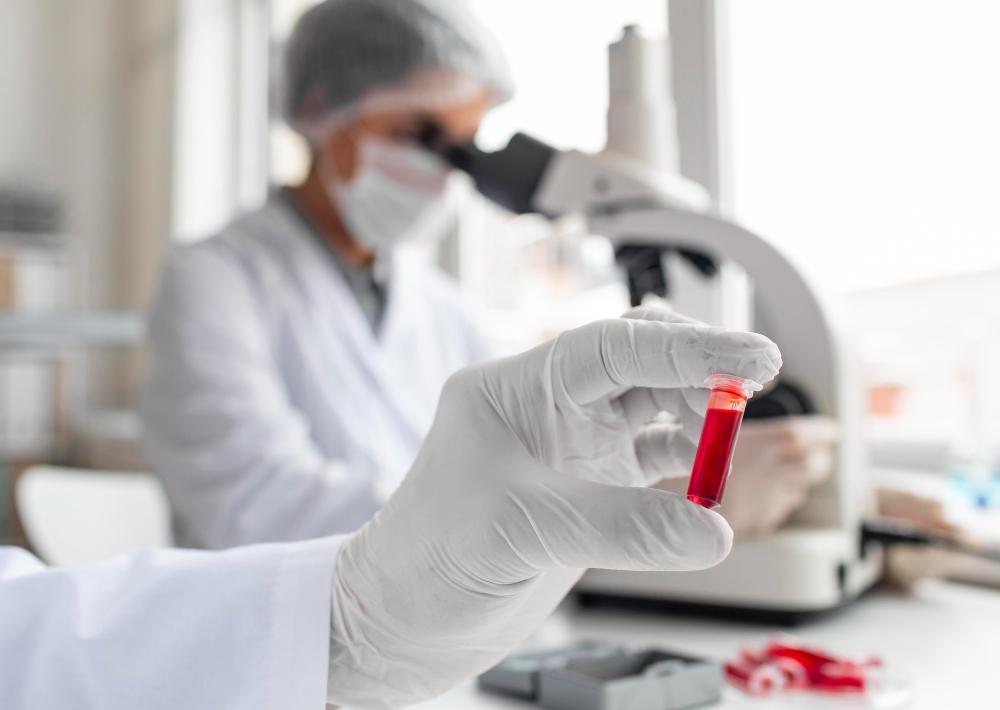
Blood clotting is the body's natural way of stopping bleeding after an injury. However, when the clotting process does not work properly, it can lead to serious health problems. Some people develop clots too easily, while others experience excessive bleeding because their blood does not clot as it should. Both situations require timely medical attention to prevent complications.
Knowing the warning signs of a blood clotting disorder can help you seek treatment before the condition becomes more serious. Whether the problem is inherited or develops later in life, early diagnosis makes a significant difference in treatment outcomes. If you are looking for a hematologist in Tampa, FL, understanding when to seek expert care is the first step toward protecting your health. At Comprehensive Hematology Oncology, patients receive personalized evaluations and advanced care for a wide range of blood disorders.
What Are Blood Clotting Disorders?
Blood clotting disorders are conditions that affect the body's ability to form or dissolve blood clots normally. These disorders generally fall into two categories:
-
Conditions that cause excessive bleeding
-
Conditions that increase the risk of abnormal blood clots
A healthy clotting system keeps a careful balance. It prevents too much bleeding after an injury while avoiding unnecessary clot formation inside blood vessels. When this balance is disrupted, medical evaluation becomes important.
Some clotting disorders are inherited and present from birth, while others develop because of illness, medications, pregnancy, surgery, or certain medical conditions.
Why Does Proper Blood Clotting Matter?
Blood clots play an essential role in healing. When you are injured, platelets and clotting proteins work together to stop bleeding. Once healing is complete, the clot naturally dissolves.
Problems occur when:
-
Blood clots form without an injury
-
Clots fail to dissolve properly
-
Bleeding continues longer than expected
-
Small injuries cause excessive blood loss
These situations may affect daily life and, in severe cases, become life-threatening if left untreated.
What Causes Blood Clotting Disorders?
Several factors can increase the risk of clotting disorders.
Common causes include:
-
Genetic clotting conditions
-
Liver disease
-
Certain autoimmune diseases
-
Cancer
-
Pregnancy
-
Hormonal medications
-
Major surgery
-
Long periods of inactivity
-
Obesity
-
Smoking
In many cases, more than one risk factor contributes to the condition.
What Are the Common Symptoms?
Symptoms vary depending on whether the blood clots too much or not enough.
Signs of excessive clotting include:
-
Swelling in one leg
-
Pain or tenderness in the calf
-
Warm skin over the affected area
-
Sudden shortness of breath
-
Chest pain
-
Rapid heartbeat
These symptoms could indicate a deep vein thrombosis (DVT) or pulmonary embolism, both of which require immediate medical attention.
Signs of excessive bleeding include:
-
Frequent nosebleeds
-
Bleeding gums
-
Heavy menstrual bleeding
-
Easy bruising
-
Blood in urine or stool
-
Bleeding that lasts longer than normal after injuries
If these symptoms occur repeatedly, they should not be ignored.
When Should You See a Hematologist?
Many people delay seeking medical care because symptoms appear mild at first. However, blood disorders often become more serious without proper diagnosis.
You should consider seeing a specialist if you experience:
-
Repeated unexplained blood clots
-
Family history of clotting disorders
-
Frequent unexplained bruising
-
Long-lasting bleeding after cuts
-
Multiple miscarriages linked to clotting problems
-
Swelling or pain in one leg
-
Blood clot during pregnancy
-
Abnormal blood test results
-
Bleeding after dental work or surgery that seems excessive
A specialist can identify the underlying cause and recommend the most appropriate treatment plan.
How Are Blood Clotting Disorders Diagnosed?
Diagnosis usually begins with a detailed medical history and physical examination.
Your doctor may recommend:
-
Complete blood count (CBC)
-
Clotting factor tests
-
Platelet function testing
-
Prothrombin Time (PT)
-
Activated Partial Thromboplastin Time (aPTT)
-
D-dimer blood test
-
Genetic testing
-
Ultrasound imaging
-
CT scan when needed
These tests help determine whether your body forms clots correctly and identify the specific disorder affecting you.
What Treatments Are Available?
Treatment depends on the type and severity of the disorder. Common treatment options include:
Blood-thinning medications: These medicines help prevent dangerous clot formation in high-risk patients.
Clotting factor replacement: Patients with inherited bleeding disorders may receive replacement clotting proteins.
Compression therapy: Compression stockings may improve blood circulation and reduce clotting risks in certain patients.
Lifestyle modifications
Doctors often recommend:
-
Staying physically active
-
Drinking enough water
-
Maintaining a healthy weight
-
Avoiding smoking
-
Managing chronic conditions
-
Following medication instructions carefully
Ongoing monitoring: Regular follow-up appointments ensure treatment continues to work safely and effectively.
At Comprehensive Hematology Oncology, specialists develop personalized treatment plans based on each patient's medical history, risk factors, and overall health. If you need an experienced hematologist in Tampa, FL, early consultation can help reduce complications and improve long-term outcomes.
Can Blood Clotting Disorders Be Prevented?
Not every blood clotting disorder can be prevented, especially inherited conditions. However, many acquired risk factors can be managed.
Helpful preventive measures include:
-
Walking regularly during long trips
-
Staying hydrated
-
Exercising consistently
-
Maintaining a healthy weight
-
Following prescribed medications
-
Avoiding tobacco products
-
Managing diabetes and high blood pressure
-
Attending routine medical checkups
People with a family history of clotting disorders should discuss screening with their healthcare provider.
Living Well with a Blood Clotting Disorder
Many people successfully manage blood clotting disorders with proper treatment and regular medical care. Following your treatment plan, recognizing warning signs, and keeping scheduled appointments can significantly reduce complications.
Education is equally important. Understanding your condition allows you to respond quickly if symptoms change and helps you maintain a healthy, active lifestyle. With modern diagnostic tools and personalized treatment options, most patients can continue their normal daily activities while effectively managing their condition.
Frequently Asked Questions
1. What is the most common blood clotting disorder?
Deep vein thrombosis (DVT) and inherited clotting disorders such as Factor V Leiden are among the most commonly diagnosed conditions.
2. Are blood clotting disorders hereditary?
Some are inherited, while others develop later because of medical conditions, medications, or lifestyle factors.
3. Can blood clotting disorders be cured?
Some conditions can be managed long-term, while others require lifelong monitoring and treatment.
4. Is a blood clot always dangerous?
Not every clot is dangerous, but clots that travel to the lungs, brain, or heart require emergency medical treatment.
5. Can lifestyle changes lower my risk?
Yes. Staying active, maintaining a healthy weight, avoiding smoking, and following medical advice can help reduce your risk.
Take the Next Step Toward Better Blood Health
Blood clotting disorders should never be ignored, especially if symptoms continue or worsen. Early diagnosis can help prevent serious complications and improve your quality of life. If you notice unusual bleeding, unexplained bruising, or signs of abnormal clotting, don't wait to seek medical advice.
At Comprehensive Hematology Oncology, our experienced team is committed to providing compassionate, evidence-based care for patients with blood disorders. If you're searching for a trusted hematologist in Tampa, FL, schedule a consultation today to receive a thorough evaluation and a personalized treatment plan designed to support your long-term health.

 Arabic
 French
 Spanish
 Portuguese
 Deutsch
 Turkish
 Dutch
Dutch
 Italiano
 Russian
 Romaian
 Portuguese (Brazil)
 Greek
Greek
