


Home Parenteral Nutrition (TPN) & Enteral Tube Nursing in Greater Noida & Dwarka
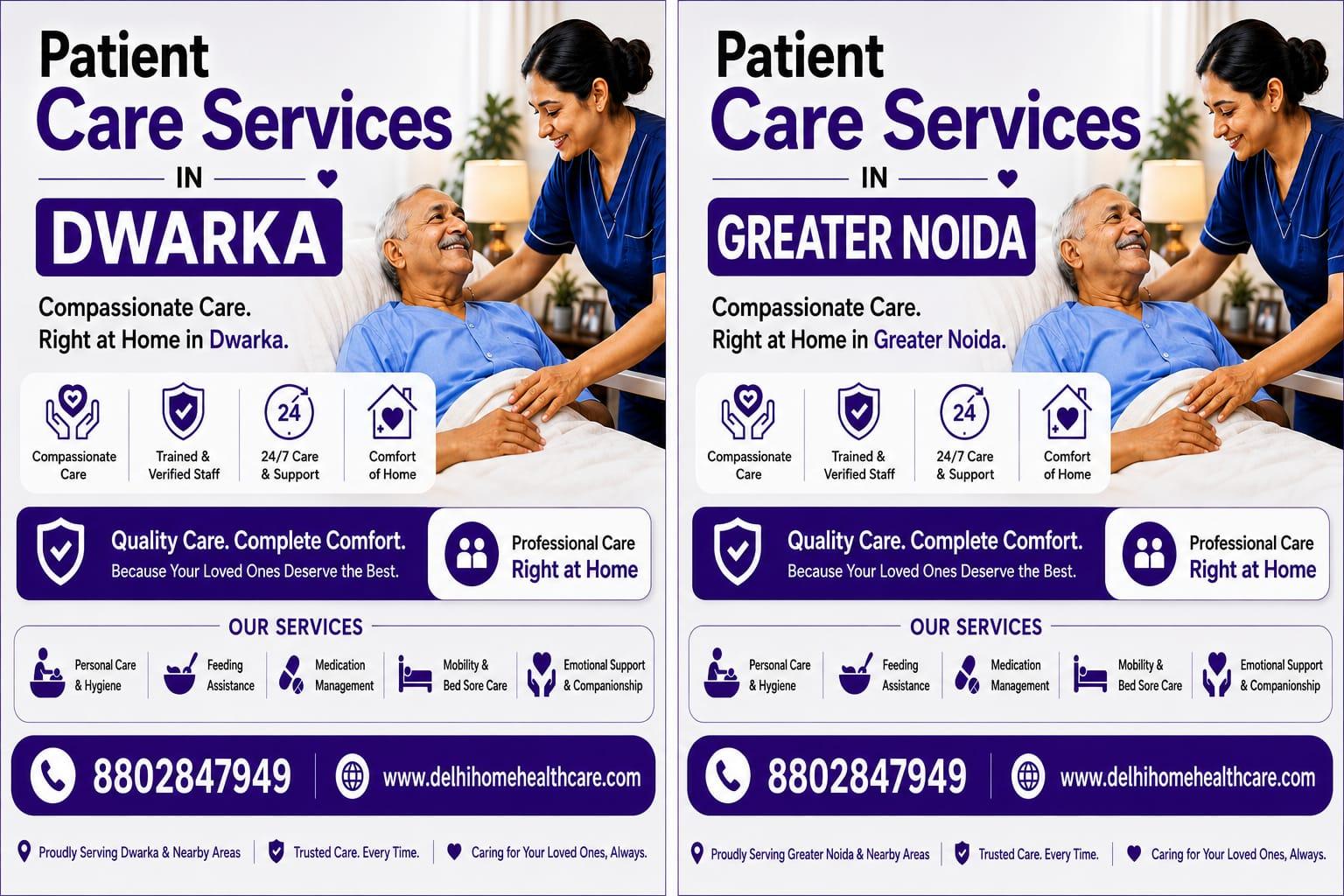
360° Comprehensive Home Parenteral Nutrition (HPN), Total Parenteral Nutrition (TPN) & Enteral Tube Nursing Guide for Greater Noida, Dwarka Delhi, and Delhi NCR
An exhaustive clinical, operational, and practical nursing manual covering home-based Total Parenteral Nutrition (TPN) intravenous administration, Central Line/PICC catheter maintenance, Percutaneous Endoscopic Gastrostomy (PEG) tube feeding, Nasogastric (Ryle's) tube management, electrolyte logging, and 24/7 patient attendant services across Greater Noida, Dwarka Delhi, and the National Capital Region.
Table of Comprehensive Contents
- 1. The Clinical Spectrum of Advanced Nutritional Support at Home
- 2. Biological & Psychological Advantages of In-Home TPN and Enteral Care
- 3. Specialized Clinical Care Modules: Parenteral (TPN/HPN) vs. Enteral (PEG/NG) Nursing
- 4. Essential Clinical Nursing Protocols: Infection Prevention, Line Dressing & Clog Management
- 5. Regional Operational Focus: Greater Noida vs. Dwarka Delhi
- 6. Specialized Nutritional Care Cost Structure & Budgeting in Delhi NCR
- 7. Frequently Asked Questions (FAQs) & Caregiver Vetting Framework
1. The Clinical Spectrum of Advanced Nutritional Support at Home
Providing adequate nutrition to patients suffering from severe gastrointestinal failure, advanced oncological malignancies, neurological dysphagia, short bowel syndrome, or post-surgical gut rest is critical for survival and tissue regeneration. When patients lose the ability to chew, swallow, or digest food naturally through the gastrointestinal tract, specialized clinical nutritional delivery modalities become necessary.
Nutritional support falls into two primary categories: Enteral Nutrition (EN)—delivering liquid formulas directly into the stomach or small intestine via Nasogastric (NG) tubes, Nasojejunal (NJ) tubes, or Percutaneous Endoscopic Gastrostomy (PEG) tubes; and Parenteral Nutrition (PN/TPN)—delivering sterile macronutrients (amino acids, dextrose, lipid emulsions), vitamins, and minerals directly into the bloodstream via Central Venous Catheters (CVC) or Peripherally Inserted Central Catheters (PICC lines).
While acute initiation of TPN or enteral tube placement occurs in tertiary hospital wards, long-term maintenance is safest and most sustainable at home. Transitioning to a structured home health setup protects immunocompromised patients from hospital-acquired infections (HAIs) while ensuring precise infusion rates, sterile catheter dressings, and comfortable daily feeding routines directly at the patient's bedside.
2. Biological & Psychological Advantages of In-Home TPN and Enteral Care
Managing parenteral and enteral nutrition at home through professional clinical care delivers vital biological, emotional, and financial benefits over long-term hospital stays:
Complete Elimination of Central Line Catheter Sepsis Exposure
Patients on Total Parenteral Nutrition (TPN) carry central venous catheters directly entering high-flow blood vessels. In hospital wards, exposure to multi-drug resistant superbugs creates high risks of Catheter-Related Bloodstream Infections (CRBSIs). A clean home environment significantly lowers systemic sepsis hazards.
Restoration of Dignity & Family Bonding
Being tethered to IV infusion pumps or feeding tubes in a sterile hospital room induces depression and anxiety. Receiving scheduled TPN infusions or enteral feeds at home allows patients to rest in familiar domestic surroundings, improving emotional resilience and sleep quality.
100% Undivided One-on-One Nursing Vigilance
Unlike hospital floor nurses who split duties among multiple complex beds, a private home critical care nurse focuses 100% of their shift on a single patient, ensuring exact infusion pump programming, strict blood glucose tracking, and instant response to line occlusions.
Substantial Financial Savings for Families
Maintaining a patient in a private hospital bed purely for daily TPN infusions or tube feedings incurs heavy room charges. Setting up professional home TPN nursing cuts daily medical expenses by up to 60% without compromising clinical precision.
3. Specialized Clinical Care Modules: Parenteral (TPN/HPN) vs. Enteral (PEG/NG) Nursing
Nutritional care plans are customized according to the patient's specific gastrointestinal functionality and intravenous access type:
3.1 Total Parenteral Nutrition (TPN / HPN) Infusion Nursing
For patients with non-functional gastrointestinal tracts requiring complete intravenous feeding:
- Aseptic Line Connection & Priming: Connecting sterile 3-in-1 TPN bags to infusion pumps using strict non-touch technique, chlorhexidine hub scrubbing, and inline micro-filters.
- Infusion Pump Rate Management: Programming volumetric pumps for cyclic or 24-hour TPN delivery to prevent sudden glycemic spikes or fluid overload.
- Sterile PICC / CVC Dressing Changes: Changing transparent biopatch dressings weekly using sterile chlorhexidine prep and sterile gloves.
- Blood Glucose Monitoring: Checking fingerstick blood glucose every 4 to 6 hours to manage TPN-induced hyperglycemia or hypoglycemia.
3.2 Enteral Tube Care (PEG, NG & NJ Tube Feeding)
For patients with functional digestive tracts who cannot swallow safely (post-stroke, head and neck cancer, coma):
- Ryle's (Nasogastric) Tube Care: Verifying tube placement via pH testing or auscultation before feeds, securing nose tapes, and flushing with warm water to prevent clogs.
- PEG / G-Tube Stoma Care: Cleaning the abdominal gastrostomy stoma site daily, rotating the bumper 360 degrees to prevent buried bumper syndrome, and managing leakage.
- Bolus vs. Continuous Feed Administration: Administering prescribed commercial enteral formulas via gravity bags or enteral pumps while keeping the patient elevated at 45 degrees to prevent aspiration.
4. Essential Clinical Nursing Protocols: Infection Prevention, Line Dressing & Clog Management
Caring for TPN or tube-fed patients requires disciplined clinical daily tracking routines:
1. Catheter-Related Bloodstream Infection (CRBSI) Prevention
TPN solutions contain high dextrose and lipid concentrations, making them an ideal growth medium for bacteria and fungi. Nurses enforce strict aseptic techniques, change IV tubing every 24 hours, and keep central hubs capped with alcohol-impregnated protectors.
2. Enteral Tube Clog Unblocking Protocol
Enteral tubes can clog due to thick formulas or crushed medications. Nurses prevent clogs by performing warm water flushes before and after every feed and medication pass. If clogs occur, gentle warm water pulsing with a 60mL syringe is performed safely.
3. Metabolic & Electrolyte Charting
Nurses record daily fluid intake/output, log body weight trends, inspect peripheral tissue for edema, and coordinate with attending physicians for weekly liver function tests (LFT) and serum electrolyte monitoring.
5. Regional Operational Focus: Greater Noida vs. Dwarka Delhi
Delivering prompt, reliable home TPN and enteral nursing across NCR’s vast residential sectors requires strong localized caregiver networks and fast deployment capabilities:
Reliable TPN & Tube Care Coverage in Greater Noida
Greater Noida features wide residential sectors, independent villas, and large gated townships in Sector Alpha, Beta, Gamma, Delta, Omega, Zeta, Techzone, Pari Chowk, and Greater Noida West (Noida Extension). Multi-generational families in these spacious homes frequently require full-time live-in caretakers. Through specialized patient care services in greater noida provided by Delhi home healthcare services, families receive background-verified attendants and registered nurses who manage daily hygiene, TPN infusions, and PEG tube care in close coordination with regional gastroenterology departments.
Dedicated Solutions in Dwarka, Delhi
Dwarka is one of Delhi's largest planned sub-cities, comprising Sectors 1 to 23, DDA societies, and luxury apartment complexes. Working professionals across Dwarka need dependable caregivers to assist tube-fed family members without disrupting daily work routines. Through our specialized patient care services in dwarka delhi, we deploy flexible 12-hour day/night staff and 24-hour live-in caretakers to ensure continuous family peace of mind and professional clinical support.
6. Specialized Nutritional Care Cost Structure & Budgeting in Delhi NCR
Transparent pricing helps families plan long-term TPN and enteral care with complete financial clarity. Below is an estimated rate overview across Greater Noida, Dwarka, and Delhi NCR:
| Service Category | Caregiver Scope & Skills | Shift Duration | Approximate Price Range (INR) |
|---|---|---|---|
| Non-Medical Tube Feeding Attendant | Gravity Tube Feed Assistance, Bathing, Position Turning, Diaper Change | 12-Hour Shift | ₹800 – ₹1,200 per day |
| 24/7 Live-In Enteral Attendant | Round-the-clock Feeding Support, Night Hygiene, Position Turning | 24-Hour Live-In | ₹22,000 – ₹32,000 per month |
| Semi-Trained ANM Nurse | Ryle's Tube Feeding, PEG Stoma Care, Oral Meds, Vital Log | 12-Hour / 24-Hour | ₹1,400 – ₹2,200 per day |
| Registered GNM / B.Sc TPN Nurse | Sterile TPN Infusion, PICC Dressing, Glucose Log, IV Meds, Catheter | 12-Hour / 24-Hour | ₹1,800 – ₹3,500 per day |
7. Frequently Asked Questions (FAQs) & Caregiver Vetting Framework
Essential Vetting Checklist Before Hiring an Agency
- Mandatory Verification: Confirm that staff members undergo complete Aadhaar verification, address checks, and local police background clearance.
- TPN & Infusion Skill Matching: Ensure nurses have documented experience in central line sterile dressings, TPN pump operation, and enteral feeding tubes.
- Replacement Guarantee: Verify that the agency guarantees a qualified replacement caregiver within 2 to 4 hours if primary staff takes leave.
- Emergency Preparedness: Confirm that nurses are trained in recognizing bloodstream infection signs, hypoglycemia, and rapid medical escalation.
Frequently Asked Questions (FAQs)
Q1. Can Total Parenteral Nutrition (TPN) be safely administered at home?
A: Yes. With certified GNM/B.Sc critical care nurses managing sterile line connections, volumetric infusion pumps, transparent PICC dressings, and daily blood glucose checks, TPN can be safely administered at home.
Q2. How quickly can a TPN nurse or tube care caregiver be deployed in Greater Noida or Dwarka?
A: Verified patient care attendants or registered home nurses can typically be deployed to family residences within 4 to 8 hours of receiving an inquiry.
Q3. What is the difference between Ryle's tube and PEG tube feeding?
A: A Ryle's tube is a flexible tube inserted through the nose into the stomach, ideal for short-term feeding (up to 4–6 weeks). A PEG tube is surgically placed directly through the abdominal wall into the stomach, designed for long-term enteral nutrition.
Conclusion: Restoring Clinical Nutrition, Dignity, and Comfort at Home
Managing specialized enteral feeding or intravenous Total Parenteral Nutrition requires clinical precision, strict sterility, and empathetic daily care. By choosing professional home healthcare, you ensure that your loved one receives hospital-standard attention right in the warmth of home.
Whether you require patient care services in greater noida or trusted patient care services in dwarka delhi, professional home care delivers exact, dependable support. Connect with verified clinical nutrition experts today to arrange a personalized care plan.
Contact Delhi Home Healthcare Services
📞 Phone: 8802847949 / 7011181480
🌐 Website: https://delhihomehealthcare.com/
📍 Office Address: Block A, G001, Royal Avenue Apartment, Sarfabad, Sector 73, Noida, Uttar Pradesh 201307
📍 Our Services: Home Parenteral Nutrition (TPN), Enteral Tube Feeding, PEG Tube Care, PICC Line Dressing, Home Patient Care, Home Nursing, Elder Care, Patient Attendant Services, and 24×7 Home Healthcare Services across Delhi NCR, Greater Noida, and Dwarka.

 Arabic
 French
 Spanish
 Portuguese
 Deutsch
 Turkish
 Dutch
Dutch
 Italiano
 Russian
 Romaian
 Portuguese (Brazil)
 Greek
Greek
