


Why Sustainable Office Solutions and Eco-Friendly Hospitality Furniture Are Redefining Modern Workspaces
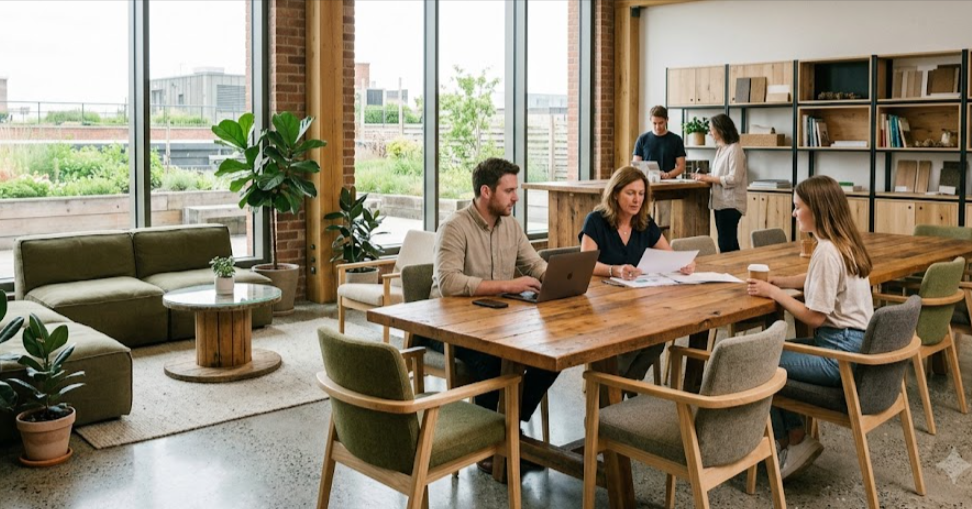
When you walk into a boutique hotel lobby, a corporate headquarters, or a bustling co-working space, the first thing you notice isn’t the lighting or the floor plan—it’s the furniture. Textures, materials and aesthetics set the tone before any conversation even begins.
Speed, mass production and low cost have long been the watchwords of the contract furniture industry. But the times have changed. Today, business leaders, hoteliers and facility managers are asking a much tougher question. What happens to this furniture in five or ten years?
As sustainability transitions from a corporate buzzword to a core operational standard, closing the gap between high-end aesthetic appeal and environmental responsibility has become essential. By examining the work of progressive hospitality furniture manufacturers alongside contemporary sustainable office solutions we can see how workplaces and commercial environments are being re-imagined from the ground up.
The Hidden Effect of Commercial Furniture
Traditional commercial furniture is heavily reliant on resource-intensive materials, such as virgin timber, petroleum-based synthetic foams and chemical adhesives that emit toxic volatile organic compounds (VOCs). When office leases expire or hotels are refurbished on a regular five- to seven-year cycle, millions of tonnes of desks, chairs and custom joinery go straight to landfills.
This “fast furniture” model is creating a huge carbon footprint in several areas:
Deforestation: Sourcing unsustainably harvested wood destroys important biodiversity hotspots.
Indoor Air Pollution: Synthetic glues and finishes off-gas VOCs that contribute to poor indoor air quality for hotel guests and employees.
End-of-Life Waste: Composite boards with heavy glue bonding are non-recyclable and can’t be easily broken down or repurposed.
In response to this trend, businesses of all types are seeking smarter ways to build, furnish, and maintain their operations.
How Hospitality Furniture Manufacturers Are Leading Design Innovation
A tough ask for hospitality settings. Furniture must be able to cope with continuous heavy use, while looking and feeling luxurious. Hotel chairs, lounge seating and dining tables take a lot more abuse than the average home furnishings.
Top hospitality furniture manufacturers are showing that you don’t have to trade off the environment to get high durability and eye-catching aesthetics. This is how the leading manufacturers are innovating:
1. Ethically Sourced Raw Materials
Rather than virgin timber, manufacturers are using FSC-certified (Forest Stewardship Council) woods, fast-growing bamboo, reclaimed timber and post-consumer recycled metals.
2. Low VOC and Non-Toxic Finishes
Guest rooms and lobbies don’t use traditional solvent-borne lacquers anymore, but high-durability water-based finishes and non-toxic powder coatings to maintain indoor air quality.
3. Modular & Repairable Design
Today’s hospitality furniture is designed with modularity in mind, with interchangeable components so you won’t have to replace a whole sofa or bed frame if one section gets worn out. A broken armrest or worn cushion cover can be replaced separately, adding years to the life of the piece.
Sustainable Office Solutions: Designing the Office of the Future
Hybrid work is transforming corporate real estate, and the office is no longer just a place to sit at a computer, it’s a destination to gather for collaboration, culture and focus. Companies are finding that the physical environment reflects their values.
Adding sustainable office solutions into commercial space planning offers real, tangible benefits:
Ergonomically Designed, Eco-Friendly Seating: Task chairs made from ocean-bound recycled plastics and non-toxic mesh offer long-term comfort and reduce plastic waste.
Circular Lifecycle Management: Companies can be involved in take-back schemes when moving or redecorating an office or can remanufacture or donate usable items rather than throwing away old furniture.
Natural Biophilic Materials: Using natural wood tones, stone, and plant installations to help reduce stress, improve focus, and create a healthier indoor environment.
Expert platforms like Green Loop Global can offer helpful insights to companies that want to embed green practices into their operations and supply chain and learn how to adopt circular economic principles and sustainable corporate practices.
Key benefits of switching
So what are the obvious benefits to business of investing in green commercial furniture and office design?
Enhanced Brand Image: Brands that exhibit genuine environmental responsibility are more likely to be chosen by customers, hotel guests and high-caliber potential employees.
Healthier Indoor Environments: Less off-gassing means better air quality, fewer sick days and better overall wellness for staff and visitors.
Long-Term Savings: Quality modular furniture lasts longer and requires fewer replacements and costly repairs in the long run.
LEED and WELL Certification Support :With sustainable sourcing, organisations can earn points towards respected green building certifications.
Conclusion: Designing for the future
Hospitality and office design are still blending. Offices today look and feel like welcoming hotel lounges and hotels are adding dedicated, ergonomic workspaces for digital nomads and business travellers.
By working with responsible hospitality furniture manufacturers and embracing sustainable office solutions, businesses can build beautiful, functional and durable environments – all without costing the planet. Today’s decisions, thoughtful, sustainable choices, lay the groundwork for a healthier, more resilient workplace tomorrow.

 English
 Arabic
 Spanish
 Portuguese
 Deutsch
 Turkish
 Dutch
Dutch
 Italiano
 Russian
 Romaian
 Portuguese (Brazil)
 Greek
Greek
