


YG-1 Additives from DongHai: How Do They Outperform in Harsh Conditions
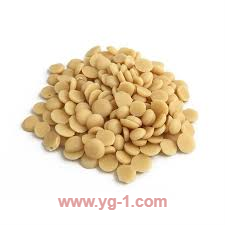
Mechanical friction and environmental oxygen constantly attack rubber products, gradually eroding surface integrity and internal molecular structure. Wear removes material layers through repeated contact, while oxidative aging breaks polymer chains, causing cracks, hardening, or softening.rubber processing additives from YG-1 intervene at the molecular level to slow these destructive processes. They modify crosslink density, enhance filler dispersion, and introduce stabilizing groups that neutralize free radicals. Without such chemical assistance, even high-grade elastomers fail prematurely under dynamic loads or thermal exposure. Does the selection of appropriate rubber processing additives determine the ultimate service lifespan of a finished component?
Wear resistance depends heavily on uniform filler distribution and strong polymer-filler interactions. Carbon black and silica, common reinforcing fillers, require specific surface treatments to bond effectively with rubber chains. Processing aids reduce agglomeration, ensuring each filler particle contributes to abrasion resistance. Simultaneously, anti-degradants—including phenolic antioxidants and amine-based antiozonants—scavenge reactive species generated during service. These compounds migrate to the surface, forming a protective barrier against ozone cracking. The synergy between reinforcement and stabilization creates a composite that withstands repeated flexing, sliding, and impact without significant mass loss.
Temperature elevation accelerates oxidative chain scission, yet appropriate additives manage heat-induced degradation effectively. Metal soaps and fatty acid derivatives improve thermal conductivity within the compound, dissipating frictional heat more rapidly. This thermal management reduces localized hot spots where oxidation initiates. Furthermore, certain processing aids act as secondary antioxidants, regenerating primary stabilizers and sustaining protection over extended periods. Industrial testing demonstrates that additive-treated samples retain tensile strength and elongation after accelerated aging protocols, whereas untreated specimens show dramatic property decline.
The mechanism of anti-aging protection involves both preventive and curative actions. Preventive additives intercept peroxides before they attack unsaturated bonds, while curative agents decompose hydroperoxides into harmless products. This dual strategy extends induction time—the period during which no significant property change occurs. For products exposed to outdoor environments, UV stabilizers and waxes form a physical shield against radiation and moisture. Combining these functions within a single additive package simplifies formulation while maximizing protective efficiency. Manufacturers achieve consistent quality without complex multi-step mixing procedures.
Practical application reveals that additive choice influences processability and final performance simultaneously. Low molecular weight processing oils reduce compound viscosity, allowing fillers to disperse thoroughly during mixing. Thorough dispersion ensures each volume element possesses identical resistance characteristics. In contrast, poor dispersion creates weak points where wear concentrates and aging initiates preferentially. Therefore, selecting additives from a reliable source guarantees batch-to-batch reproducibility, eliminating unpredictable variations that compromise product reliability.
Industry demands increasingly rigorous specifications for automotive seals, conveyor belts, and tire treads—applications where wear and aging directly impact safety and economy. Each application requires tailored additive packages addressing specific stressors: high-speed friction, chemical exposure, or cyclic strain. Formulators adjust antioxidant levels, wax content, and crosslinker types to match operating conditions. This customization relies on deep knowledge of elastomer chemistry and additive interactions, expertise that specialized manufacturers develop through decades of research and field feedback.
Evaluating additive effectiveness demands comprehensive testing, including DIN abrasion, ozone chamber exposure, and thermal aging at elevated temperatures. These standardized methods quantify performance improvements, providing data for quality assurance and product development. Results consistently show that properly formulated additive systems double or triple service intervals compared to unprotected compounds. Such measurable gains translate into lower replacement frequencies, reduced downtime, and enhanced user satisfaction across diverse industries.
For manufacturers seeking proven additive solutions, exploring technical resources clarifies available options and their respective advantages. Detailed guidance on additive types, recommended dosages, and handling procedures supports informed decision-making. Accessing this knowledge base https://www.yg-1.com enables formulators to match specific product requirements with appropriate chemical aids, ensuring optimal protection against wear and aging without unnecessary trial-and-error.

 English
 Arabic
 French
 Spanish
 Portuguese
 Deutsch
 Turkish
 Dutch
Dutch
 Italiano
 Russian
 Portuguese (Brazil)
 Greek
Greek
