


AWS Cloud Cost Optimization: Best Practices for Reducing Cloud Expenses
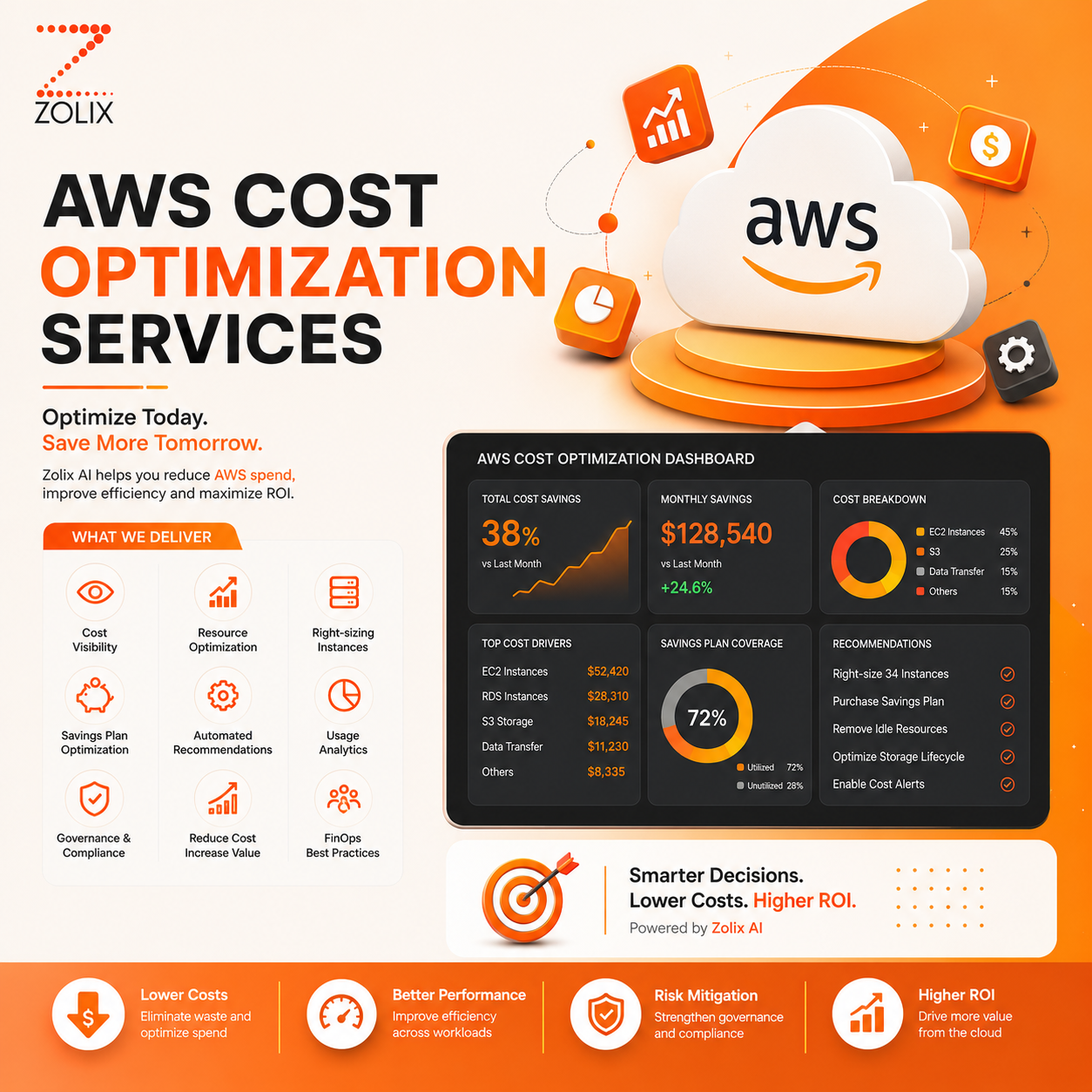
Cloud computing has revolutionized the way businesses build, deploy, and manage applications. It offers flexibility, scalability, and improved operational efficiency, but without proper planning, cloud costs can increase rapidly. AWS cloud cost optimization is the practice of managing cloud resources efficiently to reduce unnecessary expenses while maintaining high performance, security, and reliability. By implementing effective optimization strategies, organizations can maximize the value of their cloud infrastructure and improve long-term financial performance.
Why AWS Cloud Cost Optimization Matters
As businesses expand their cloud environments, they often deploy additional virtual machines, storage services, databases, and networking resources. Over time, some of these resources become underutilized or remain active despite no longer being required. These inefficiencies contribute to higher monthly cloud bills.
AWS cloud cost optimization helps organizations gain visibility into resource utilization, identify unnecessary spending, and make informed decisions that improve operational efficiency. It also supports accurate budgeting and sustainable cloud growth.
Monitor Cloud Resource Usage
Continuous monitoring is the foundation of successful AWS cloud cost optimization. Organizations should regularly analyze resource utilization across compute instances, storage, networking, and databases to understand where cloud expenses originate.
Real-time monitoring helps identify idle resources, unusual usage patterns, and unexpected cost increases. Early detection allows businesses to take corrective action before unnecessary expenses accumulate.
Rightsize Computing Resources
Many organizations allocate more computing capacity than their workloads actually require. Overprovisioned virtual machines and databases increase operational costs without delivering additional value.
Rightsizing ensures that infrastructure matches workload requirements. Regular performance evaluations allow organizations to adjust resource capacity based on demand, improving efficiency while reducing cloud expenses.
Optimize Storage Management
Storage costs can increase significantly as organizations accumulate outdated backups, duplicate files, application logs, and inactive business data. Regular storage reviews help identify resources that can be archived or deleted.
Implementing lifecycle management policies automatically moves infrequently accessed data to lower-cost storage options, improving storage efficiency and supporting effective AWS cloud cost optimization.
Use Auto Scaling for Dynamic Workloads
Cloud workloads often experience changing traffic patterns throughout the day. Auto scaling automatically adjusts computing resources according to application demand, ensuring optimal performance during peak usage while reducing unnecessary capacity during quieter periods.
This dynamic approach improves application availability and helps organizations avoid paying for idle infrastructure, making it a vital part of AWS cloud cost optimization.
Automate Cost Optimization Processes
Automation simplifies cloud administration and improves consistency across infrastructure management. Automated workflows can identify idle resources, schedule development environments, optimize storage usage, and generate detailed usage reports without constant manual intervention.
Automation reduces operational effort while ensuring optimization policies are consistently applied throughout the cloud environment.
Strengthen Governance and Financial Control
Strong governance practices improve accountability and help organizations maintain financial discipline. Resource tagging, access controls, standardized deployment processes, and regular infrastructure audits provide better visibility into cloud spending.
These governance measures enable accurate cost allocation across departments and projects while preventing unnecessary resource creation and reducing operational waste.
Best Practices for AWS Cloud Cost Optimization
Organizations can improve cloud efficiency by following these best practices:
- Monitor cloud resource utilization continuously.
- Rightsize virtual machines and databases regularly.
- Enable auto scaling for variable workloads.
- Remove unused or idle cloud resources.
- Optimize storage using lifecycle management policies.
- Configure budgets and spending alerts.
- Automate repetitive optimization tasks.
- Apply resource tags for accurate cost allocation.
- Conduct regular cloud infrastructure and cost audits.
- Continuously review performance and spending trends.
Conclusion
AWS cloud cost optimization is an ongoing process that enables organizations to control cloud expenses while maintaining high levels of performance, scalability, and reliability. By monitoring resource usage, rightsizing infrastructure, optimizing storage, leveraging auto scaling, automating management tasks, and implementing strong governance practices, businesses can significantly reduce unnecessary cloud costs. A proactive optimization strategy not only improves operational efficiency but also supports long-term business growth, financial stability, and the sustainable use of cloud resources.

 English
 Arabic
 French
 Spanish
 Portuguese
 Deutsch
 Turkish
 Italiano
 Russian
 Romaian
 Portuguese (Brazil)
 Greek
Greek
