


What Is Root Canal Treatment? Everything You Need to Know
Tooth pain has a way of taking over your entire day. If your dentist has recommended a best root canal treatment in Dombivli, you're probably wondering what the procedure actually involves, why it's needed, and whether it's as intimidating as it sounds. The good news is that modern root canal treatment is a routine, well-understood procedure designed to save a damaged tooth rather than remove it — and understanding how it works can make the whole experience far less stressful.
Understanding the Structure of Your Tooth
To understand why a root canal is necessary, it helps to know what's happening beneath the visible surface of a tooth. Every tooth has a hard outer layer of enamel, a middle layer called dentin, and an inner chamber that houses the pulp. This pulp contains nerves, blood vessels, and connective tissue that keep the tooth alive during its early development. Once a tooth has fully matured, it can survive without this pulp because the surrounding tissues continue to nourish it.
Problems begin when bacteria find their way into this inner chamber. This usually happens through a deep cavity, a crack, or repeated dental procedures on the same tooth. When bacteria reach the pulp, they cause inflammation and infection that, left untreated, can lead to intense pain, abscess formation, and even bone loss around the root tip.
Why Root Canal Treatment Becomes Necessary
One of the most common reasons patients end up needing this procedure is untreated decay. A cavity that isn't addressed early doesn't stay contained to the enamel — it spreads deeper, and effective tooth decay treatment at that stage often means addressing the pulp directly rather than simply filling a surface cavity. Trauma from an injury, a cracked tooth from biting down on something hard, or a tooth that has undergone multiple fillings over the years can all lead to the same outcome: an infected or dying pulp that needs to be treated at its source.
Ignoring the warning signs rarely makes them go away. Instead, the infection tends to worsen, sometimes spreading to the bone and surrounding tissue, which can turn a straightforward procedure into a more complex one.
What Happens During the Procedure
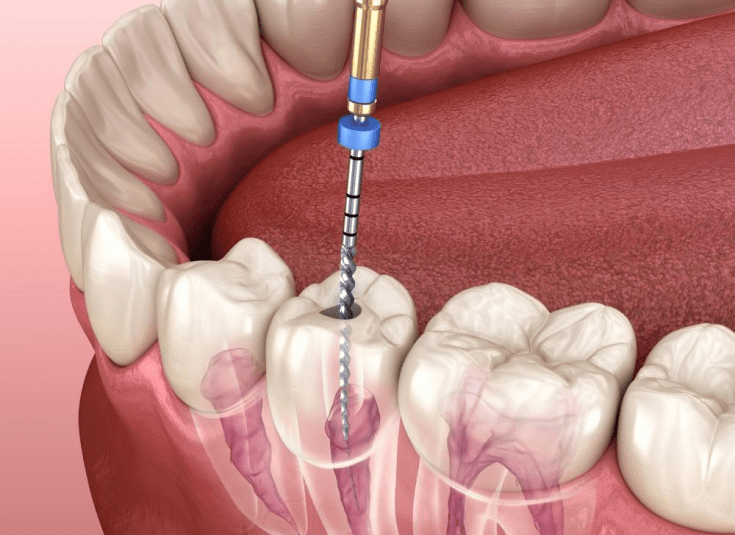
A root canal is performed in a series of careful, methodical steps. First, the area is numbed thoroughly so the patient feels minimal discomfort throughout. The dentist then creates a small opening in the top of the tooth to access the pulp chamber. Using fine instruments, the infected or inflamed pulp tissue is removed from the canals inside the root.
Once the canals are cleaned out, they're shaped and disinfected to eliminate any remaining bacteria. This step is critical, since leftover bacteria can cause reinfection later. The empty canals are then filled with a biocompatible material that seals them completely, preventing future contamination. In many cases, a temporary filling is placed first, followed by a permanent crown once the tooth has settled, restoring both strength and function.
Common Myths That Cause Unnecessary Fear
Much of the anxiety around this treatment comes from outdated ideas. Many people still believe the procedure itself is painful, when in reality the discomfort people associate with root canals usually comes from the infection itself — not the treatment that resolves it. With modern anesthesia and techniques, most patients report the experience feels similar to getting a routine filling.
Another misconception is that extraction is always a simpler solution. While removing a tooth might seem quicker, it creates gaps that can affect chewing, shift surrounding teeth over time, and often requires more extensive (and expensive) restorative work later, like implants or bridges. Saving the natural tooth whenever possible is usually the better long-term choice for oral health.
Recovery After Treatment
Recovery is typically straightforward. Mild soreness or sensitivity for a few days afterward is normal and manageable with over-the-counter pain relief. Most people return to their regular activities the same day or the next. It's important to avoid chewing on the treated tooth until the permanent crown is placed, since the tooth is more fragile without full pulp support.
Good oral hygiene afterward — regular brushing, flossing, and avoiding excessive pressure on the restored tooth — helps ensure long-term success. A root-canal-treated tooth, properly restored and cared for, can last a lifetime.
When to See a Dentist
If you're experiencing persistent tooth pain, sensitivity to hot or cold that lingers, swelling around a tooth, or discoloration, it's worth getting evaluated sooner rather than later. Catching an infection early often means a simpler, faster treatment. If you're searching for a reliable dentist in Dombivli to assess your symptoms, an early consultation can save you both discomfort and cost down the line. Understanding what root canal treatment involves is the first step toward approaching it with confidence rather than fear — and toward protecting a tooth that's still very much worth saving.

 English
 Arabic
 French
 Spanish
 Portuguese
 Deutsch
 Turkish
 Dutch
Dutch
 Italiano
 Russian
 Romaian
 Portuguese (Brazil)
