


Rethinking Small Cars in the Age of Electrification
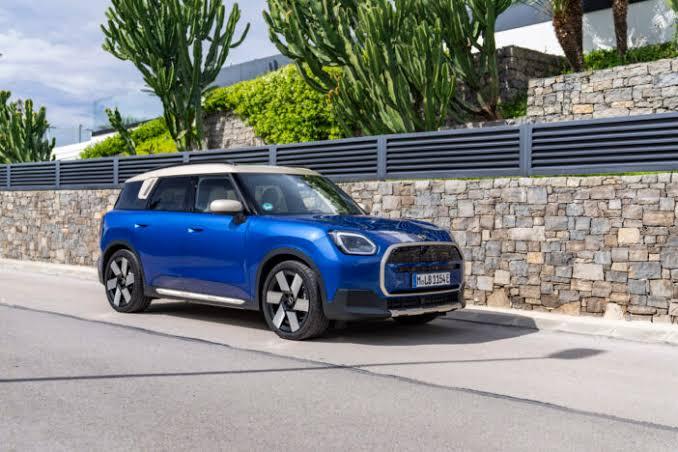
The automotive sector is currently going through one of its biggest transformations in a long time. Manufacturers in every field are rethinking what their cars look like under the hood and under the floor as battery technology develops and the charging infrastructure expands. Electrification is slowly becoming a standard expectation for entire car lineups, no longer confined to showcase models or specialised experiments.
For a class that has historically been defined by lightweight and simplicity, this change offers a fascinating question: How could compact cars, which initially came out with modest combustion engines, adapt to a future built with batteries and electric motors? The answer reveals a lot about the direction of the industry as a whole.
Balancing Compact Design With Battery Technology
Traditionally, little cars have been defined by being lightweight, effective and manoeuvrable. On the other hand, batteries are bulky and it is a true engineering challenge to fit them into a compact design without compromising control or interior dimensions. To include battery packs while maintaining the agility that first made these cars attractive, manufacturers had to rethink chassis design, weight allocation and even seating configurations.
This challenge frequently results in a vehicle that is more advanced than its predecessor with a combustion engine. Instant torque from electric drivetrains can actually improve the responsive, eager feeling that consumers of tiny cars have long appreciated. In some respects, electrification has offered engineers new tools to hone the character of small cars rather than diluting it.
The Diversity Within Compact Car Lineups Today
Rarely do modern manufacturers use a single model to please every type of customer. Instead, they design families of cars that appeal to various demands and have similar style concepts. These include sporty hatchbacks, city runabouts and small crossovers that provide a little bit more ride height and cargo capacity without totally sacrificing the small footprint.
As shown by the variety of mini-car models, manufacturers are attempting to appeal to both traditionalists who desire the classic small-car experience and modern consumers drawn to slightly larger, more versatile compact vehicles. Maintaining brand identity while adapting to changing consumer demands is challenging, especially as urban customers seek vehicles that are both easy to park and suitable for small families or weekend trips.
Electric Crossovers Enter the Compact Segment
The increasing number of electric compact vehicles is a sign of this transition, combining the agility of small cars with the slightly elevated seating position and storage flexibility that crossover buyers expect. It may be the clearest indication of how the market is evolving. These models, which integrate a new drivetrain with familiar dimensions, usually act as a bridge for customers who are reluctant to go entirely to electric vehicles.
A helpful example of this trend in practice is the Mini Countryman EV. It proves that a company can expand a compact-focused design concept into a larger, electrified body type without losing the driving personality connected with its smaller siblings. Its existence exemplifies a broader trend in the automotive sector. Manufacturers are being driven by electrification to expand the size of their models while upholding the standards that initially made their compact lineups appealing.
What This Means for Buyers Going Forward
Customers now have more options than ever thanks to this evolution. Customers no longer have to choose between the practicality of a crossover and the fun factor of a hatchback or between the agility of a compact car and the efficiency of an EV. Compact electric vehicles increasingly sit at the intersection of all three categories as the distinctions between them become more blurry.
This suggests that the process of making decisions has grown more complicated. Along with the more traditional elements like handling, appearance and cost, consumers increasingly evaluate things like battery range, charging speed and software features. This offers consumers a greater range of automobiles that uphold the fundamental appeal of compact design: efficiency, personality and a sense of connection to the road. It's a more complicated but possibly richer environment that has been updated for the electric era.

 English
 Arabic
 French
 Spanish
 Deutsch
 Turkish
 Dutch
Dutch
 Italiano
 Russian
 Romaian
 Portuguese (Brazil)
 Greek
Greek
