


When Anxiety Starts Controlling Your Life: Signs and Support
Anxiety is a natural response to stress. It helps us stay alert during challenging situations and prepares us to react to potential threats. However, when anxiety becomes overwhelming, persistent, and difficult to manage, it can begin to control your daily life. Millions of people worldwide struggle with anxiety disorders that affect their work, relationships, physical health, and overall well-being.
Understanding the warning signs and knowing where to find support can make a significant difference. In this guide, we'll explore how anxiety impacts everyday life, the common symptoms to watch for, and effective ways to regain control.
What Happens When Anxiety Takes Over?
Occasional worry is normal, but chronic anxiety goes beyond temporary stress. It creates a cycle of fear, overthinking, and emotional distress that can interfere with daily activities.
People experiencing severe anxiety often find themselves constantly anticipating problems, avoiding situations they once enjoyed, or feeling unable to relax. Over time, anxiety can impact both mental and physical health, leading to fatigue, reduced concentration, and even Sleep Disorders.
The good news is that anxiety is manageable with the right support, lifestyle changes, and professional treatment.
Common Signs That Anxiety Is Controlling Your Life
Recognizing the symptoms early can help prevent anxiety from becoming more severe.
1. Constant Worry and Overthinking
One of the most noticeable signs of anxiety is persistent worry. You may find yourself repeatedly thinking about worst-case scenarios or struggling to stop negative thoughts.
Common signs include:
· Excessive concern about everyday situations
· Difficulty controlling worries
· Fear of making mistakes
· Constant need for reassurance
2. Physical Symptoms of Anxiety
Anxiety doesn't only affect the mind. It often produces physical symptoms that can feel alarming.
These may include:
· Rapid heartbeat
· Muscle tension
· Headaches
· Sweating
· Stomach discomfort
· Shortness of breath
· Dizziness
Many people initially mistake these symptoms for a physical illness before realizing anxiety is the underlying cause.
3. Sleep Problems and Fatigue
Anxiety and sleep are closely connected. Racing thoughts can make it difficult to fall asleep or stay asleep throughout the night.
Common sleep-related symptoms include:
· Insomnia
· Frequent waking
· Nightmares
· Restless sleep
· Daytime exhaustion
Long-term anxiety can contribute to serious Sleep Disorders, affecting both mental and physical health.
4. Avoidance Behaviors
When anxiety becomes intense, people often avoid situations that trigger discomfort.
Examples include:
· Avoiding social gatherings
· Skipping work meetings
· Postponing important decisions
· Avoiding travel
· Refusing to try new experiences
While avoidance may provide temporary relief, it often strengthens anxiety over time.
5. Difficulty Concentrating
Persistent anxiety can make it difficult to focus on tasks. Many people describe feeling mentally overwhelmed or distracted by constant worry.
This can impact:
· Work performance
· Academic success
· Daily responsibilities
· Personal relationships
In some cases, healthcare providers may evaluate underlying conditions and discuss treatment options that improve focus and cognitive performance.
The Connection Between Anxiety and Sleep Disorders
Sleep and anxiety influence each other in powerful ways. Poor sleep can worsen anxiety symptoms, while anxiety can disrupt sleep quality.
Research consistently shows that individuals with anxiety disorders are more likely to experience:
· Insomnia
· Delayed sleep onset
· Fragmented sleep
· Reduced sleep quality
Lack of restorative sleep affects mood, memory, immune function, and emotional regulation.
Creating healthy sleep habits is an important step in anxiety management. This includes maintaining a consistent bedtime, limiting screen exposure before sleep, and reducing caffeine intake.
How Anxiety Affects Your Daily Life
Untreated anxiety can have widespread consequences.
Relationships
Anxiety can make communication difficult and create misunderstandings with friends, family members, and partners.
Career and Education
People experiencing severe anxiety may struggle with presentations, deadlines, decision-making, and workplace interactions.
Physical Health
Chronic anxiety increases stress hormone levels, which may contribute to:
· High blood pressure
· Digestive issues
· Chronic fatigue
· Weakened immune response
Emotional Well-Being
Anxiety often leads to feelings of frustration, helplessness, irritability, and low self-confidence.
Effective Ways to Manage Anxiety
While anxiety can feel overwhelming, many strategies can help reduce symptoms and improve quality of life.
Practice Mindfulness
Mindfulness techniques encourage you to focus on the present moment rather than future worries.
Helpful practices include:
· Deep breathing exercises
· Meditation
· Progressive muscle relaxation
· Guided visualization
Stay Physically Active
Regular exercise is one of the most effective natural anxiety-management tools.
Benefits include:
· Reduced stress hormones
· Improved mood
· Better sleep quality
· Increased confidence
Even a 30-minute walk can provide noticeable relief.
Limit Anxiety Triggers
Certain habits can worsen anxiety symptoms.
Consider reducing:
· Excess caffeine
· Alcohol consumption
· Nicotine use
· Excessive social media exposure
Build a Support Network
Talking with trusted friends, family members, or support groups can help reduce feelings of isolation.
Many people find comfort in sharing their experiences with others who understand what they are going through.
Treatment Options for Anxiety
Professional treatment can significantly improve symptoms for individuals with moderate to severe anxiety.
Therapy
Cognitive Behavioral Therapy (CBT) is considered one of the most effective treatments for anxiety disorders. It helps individuals identify negative thought patterns and develop healthier coping strategies.
Medication
Healthcare providers may recommend medications when anxiety symptoms become difficult to manage through lifestyle changes alone.
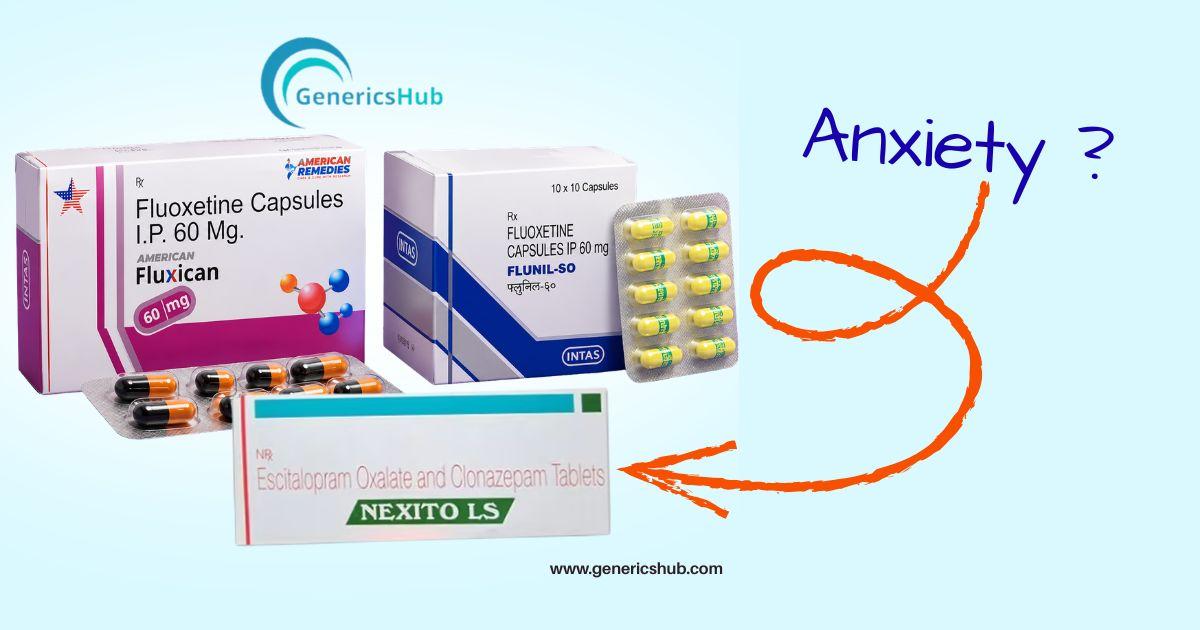
Common options may include antidepressants and anti-anxiety medications such as Nexito LS when prescribed by a qualified healthcare professional. Treatment plans should always be individualized and monitored by a healthcare provider.
For individuals experiencing excessive daytime sleepiness related to sleep conditions, medications such as Modafinil may sometimes be prescribed under medical supervision. However, these medications are not direct treatments for anxiety itself.
Similarly, medications like Fluxican 60 Mg may be prescribed in specific situations by healthcare professionals depending on an individual's mental health needs. Always follow medical guidance before starting any medication.
When Should You Seek Professional Help?
Consider speaking with a healthcare professional if:
· Anxiety persists for several weeks or months
· Symptoms interfere with work or relationships
· Sleep problems become severe
· Panic attacks occur frequently
· You avoid daily activities because of fear
· Self-help strategies are not providing relief
Early intervention often leads to better outcomes and improved quality of life.
Shop Anxiety and Wellness Support Through Genericshub
Access to reliable healthcare products is important for individuals managing anxiety, depression, and related Sleep Disorders. At genericshub, customers can explore a wide range of medications and wellness solutions from trusted manufacturers. Whether you are located in the UK, the United States, Australia, Canada, or other international regions, genericshub provides a convenient platform for accessing healthcare products globally. Always consult a licensed healthcare professional before purchasing or using prescription medications to ensure they are appropriate for your condition.
Conclusion
Anxiety can gradually take control of your thoughts, behaviors, and daily routine if left unmanaged. Recognizing the warning signs early is essential for protecting your mental and physical health. Persistent worry, sleep disturbances, avoidance behaviors, and physical symptoms are all indicators that anxiety may require attention.
Fortunately, effective support is available. Through therapy, healthy lifestyle changes, professional guidance, and appropriate treatment options, it is possible to break the cycle of anxiety and regain control of your life. If anxiety is affecting your daily functioning, reaching out for help is a powerful first step toward recovery.
Frequently Asked Questions
Can anxiety cause physical symptoms?
Yes. Anxiety can lead to headaches, muscle tension, rapid heartbeat, stomach discomfort, dizziness, and fatigue.
Are sleep disorders linked to anxiety?
Yes. Anxiety is strongly associated with insomnia and other sleep-related issues that affect overall health and well-being.
Is Nexito LS used for anxiety?
Healthcare providers may prescribe Nexito LS as part of an individualized treatment plan for certain anxiety-related conditions. Always use it under medical supervision.
Can exercise help reduce anxiety?
Yes. Regular physical activity helps lower stress hormones, improve mood, and support better sleep quality.
Where can I find anxiety support products online?
Many people explore wellness and healthcare options through platforms like genericshub, while always consulting healthcare professionals before using prescription medications.

 English
 Arabic
 French
 Spanish
 Portuguese
 Deutsch
 Turkish
 Dutch
Dutch
 Russian
 Romaian
 Portuguese (Brazil)
 Greek
Greek
