


Berberine HCL Pakistan: Where It Comes From and How It Is Produced
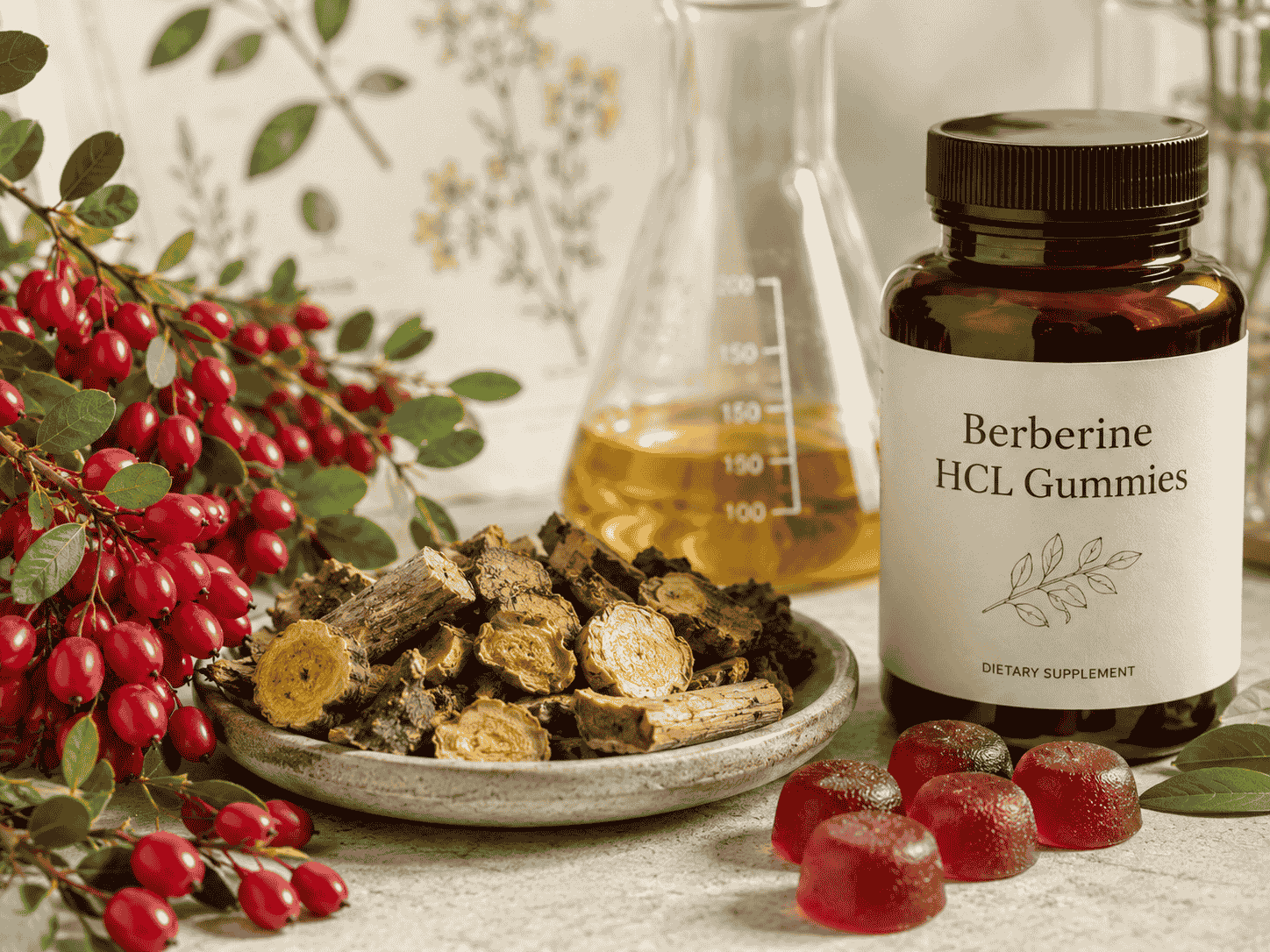
Berberine is often described as a plant-based compound, but that simple description leaves several important questions unanswered. It does not come from one specific fruit, herb, or country. Instead, it is a naturally occurring alkaloid found in several medicinal plant species, particularly within their roots, rhizomes, stems, and bark.
Its best-known botanical source is barberry, a group of thorny shrubs belonging to the Berberis genus. However, commercial berberine may also be obtained from plants such as Chinese goldthread, goldenseal, Indian barberry, and the Amur cork tree. These plants naturally produce berberine as part of their chemical defence systems.
For consumers researching berberine hcl Pakistan, understanding this botanical origin is useful because a purified berberine ingredient is not the same as powdered barberry fruit or a general herbal extract. The plant species, plant part, extraction method, purification process, and final assay can all influence what is actually present in a supplement.
Berberine HCL is the hydrochloride salt form of the isolated compound. Manufacturers commonly use this form because it can be purified, measured, tested, and incorporated into consistent servings more reliably than an undefined whole-plant preparation. The letters “HCL” therefore describe the chemical form of the ingredient—not the plant from which it originated.
What Is Berberine?
Berberine is a naturally occurring isoquinoline alkaloid. Alkaloids are nitrogen-containing plant compounds that frequently have strong biological activity, distinctive colours, or bitter flavours.
In its purified form, berberine has a characteristic yellow colour. It occurs in multiple botanical families and is not exclusive to barberry. The compound has been identified in plants including:
-
Berberis vulgaris, commonly called European barberry
-
Berberis aristata, commonly called Indian barberry or tree turmeric
-
Coptis chinensis, known as Chinese goldthread or Huanglian
-
Hydrastis canadensis, commonly called goldenseal
-
Phellodendron amurense, known as the Amur cork tree
These plants contain many natural constituents in addition to berberine. A raw plant extract may include palmatine, jatrorrhizine, magnoflorine, polyphenols, tannins, sugars, and other compounds. Purified berberine HCL, by comparison, is processed to provide a more defined amount of the target alkaloid.
Does Berberine Come from Barberry Fruit?
Barberry is closely associated with berberine, but the red berries are not necessarily the main commercial source of the compound.
In many Berberis species, the roots, root bark, stem bark, and woody tissues contain more concentrated alkaloids than the edible fruit. Research on Berberis asiatica, for example, found significantly higher berberine levels in the roots than in the stem bark. Berberine content can also vary according to altitude, soil conditions, climate, species, age, and the plant part being tested.
This distinction matters because “barberry powder,” “barberry fruit extract,” and “berberine HCL” should not be treated as interchangeable ingredients.
A serving of dried barberry fruit may contain a wide and unpredictable range of natural compounds. A purified Berberine supplement is usually designed to deliver a stated quantity of berberine rather than an unspecified quantity of the entire plant.
The brightly coloured berries may still have nutritional and culinary value, but eating barberries is not equivalent to taking a measured dose of purified berberine HCL.
Other Important Botanical Sources of Berberine
Indian barberry
Berberis aristata has a long history of use in South Asian traditional practices. It is sometimes referred to as daruharidra, daruhaldi, or tree turmeric because its yellow inner wood and roots contain alkaloid pigments.
Its regional familiarity makes it particularly relevant when discussing Berberine HCL in Pakistan. Nevertheless, the presence of a traditional plant name on a label does not reveal the amount of purified berberine unless the product also provides a standardized assay or clearly stated dose.
Chinese goldthread
Coptis chinensis is another major botanical source. Its dried underground stem, or rhizome, contains berberine alongside related alkaloids such as palmatine.
Scientific extraction studies have reported substantial berberine content in Coptis chinensis rhizomes, although the recovered amount varies with the solvent, temperature, extraction time, and analytical method.
Amur cork tree
Phellodendron amurense is a tree traditionally valued for its bark. Research has identified berberine and other isoquinoline alkaloids within the plant, with accumulation differing between tissues.
Goldenseal
Goldenseal is a North American medicinal plant whose roots and rhizomes contain berberine, hydrastine, and related constituents. A goldenseal extract is therefore chemically different from purified berberine, even though berberine contributes to its natural alkaloid profile.
Berberine HCL Pakistan: Why the Botanical Source Matters
The name of the source plant does not automatically determine whether a product is effective or high quality. A well-controlled manufacturing process can produce highly purified berberine from different berberine-containing plants.
However, botanical traceability still matters. Manufacturers should be able to identify the raw material, authenticate the plant species, specify the plant part used, and test the resulting ingredient.
Substitution or misidentification can occur when similarly coloured roots, barks, or herbal powders enter a poorly controlled supply chain. Accurate botanical identification helps reduce the risk of using the wrong species or an ingredient with an unexpectedly low alkaloid content.
The source also influences sustainability. Harvesting roots or stripping bark may kill or seriously damage a plant. Responsible suppliers therefore need cultivation, harvesting, and traceability systems that protect plant populations and maintain consistent raw-material quality.
Consumers do not usually need to choose a supplement solely because it comes from one particular Berberis species. They should instead look for transparency regarding botanical identity, standardization, contaminant testing, and the amount of berberine provided per serving.
How Berberine Is Extracted from Plants
The exact manufacturing process differs between suppliers, but plant-derived berberine production generally follows several major stages.
1. Selection and preparation of plant material
Roots, rhizomes, stems, or bark are collected, authenticated, cleaned, dried, and ground into smaller particles. Grinding increases the surface area exposed to the extraction liquid.
2. Solvent extraction
The prepared plant material is mixed with a suitable extraction medium. Published methods include water, acidified water, ethanol solutions, methanol in laboratory analysis, and other specialised solvent systems.
The objective is to move berberine and related soluble compounds from the plant cells into the liquid phase. Temperature, solvent concentration, pH, extraction time, and particle size can all affect recovery.
Modern research has examined ultrasound-assisted, microwave-assisted, pressurised-liquid, and deep-eutectic-solvent extraction to improve efficiency or reduce extraction time. These scientific methods illustrate the range of available technologies, although they do not imply that every commercial manufacturer uses the same process.
3. Filtration and concentration
After extraction, the insoluble plant material is separated from the liquid. The extract may then be concentrated by removing part of the solvent under controlled conditions.
At this stage, the liquid still contains multiple plant constituents. It is a concentrated botanical extract rather than pure berberine.
4. Separation and purification
Manufacturers can use precipitation, selective solvents, adsorption resins, membrane systems, chromatography, or repeated crystallisation to separate berberine from other alkaloids and plant compounds.
Laboratory research has demonstrated that chromatographic techniques can isolate berberine from Berberis vulgaris root and stem extracts while distinguishing it from related alkaloids such as magnoflorine, palmatine, and jatrorrhizine.
5. Formation of berberine hydrochloride
The purified compound can be processed into its hydrochloride salt and crystallised. This stage creates the ingredient commonly listed as berberine HCL or berberine hydrochloride.
Salt formation is a normal pharmaceutical and nutraceutical manufacturing technique. It does not mean the original botanical compound has been replaced with an unrelated chemical. Instead, it places the compound into a defined form that can be isolated, dried, characterised, and measured.
6. Drying, milling and quality testing
The purified crystals are dried and milled into a consistent powder. Analytical testing may then confirm identity, purity, concentration, moisture, microbial quality, heavy metals, and residual processing solvents.
Methods such as high-performance liquid chromatography can measure berberine and distinguish it from related compounds. The result should be a standardized ingredient with a known assay rather than a variable herbal powder.
7. Formulation into a finished supplement
The tested berberine HCL powder can then be incorporated into capsules, tablets, powders, or Berberine HCL Gummies.
Gummy production requires additional ingredients to create flavour, texture, stability, and serving consistency. A gummy is therefore not simply a piece of barberry extract. It is a formulated delivery system containing a measured active ingredient within a food-like matrix.
Is Berberine HCL Natural or Synthetic?
The answer depends on how the ingredient was produced.
Berberine naturally occurs in plants, and much of the commercial ingredient is obtained through botanical extraction and purification. However, the final berberine HCL powder has been processed substantially beyond the original root or bark.
Describing it as “plant-derived” can therefore be more precise than suggesting it is an unprocessed herb. Purification removes much of the original plant matrix, while hydrochloride salt formation creates a standardized chemical form.
The term “natural” alone does not prove purity, safety, sustainability, or effectiveness. A high-quality ingredient still requires authentication, controlled processing, contaminant testing, and accurate dosage information.
Why Purified Berberine Is Used Instead of Whole Barberry
Most research discussions about Berberine HCL benefits refer to defined quantities of berberine rather than ordinary servings of barberry fruit.
Using a purified compound provides several practical advantages:
-
The dose can be measured more consistently.
-
Researchers can compare one intervention with another.
-
Manufacturers can test the identity and assay of the ingredient.
-
Consumers can see how much berberine is present per serving.
-
Related plant alkaloids can be controlled or removed.
This does not mean that purified berberine is automatically suitable for everyone. Berberine can influence glucose metabolism and may interact with prescription medicines. People who are pregnant, breastfeeding, managing diabetes, or taking regular medication should seek guidance from a qualified healthcare professional before using it.
How Consumers Can Evaluate a Berberine Supplement
A trustworthy label should make it clear whether the product contains purified berberine HCL, a standardized herbal extract, or a general barberry preparation.
Consumers should check for:
-
The exact ingredient name
-
Berberine quantity per serving
-
Number of capsules or gummies per serving
-
Botanical source, when disclosed
-
Batch number and expiry date
-
Manufacturer or importer details
-
Storage and safety instructions
-
Evidence of identity, purity, and contaminant testing
Claims about Berberine HCl benefits should also be interpreted carefully. Origin and purification establish what the ingredient is; they do not guarantee a specific health outcome for every user.
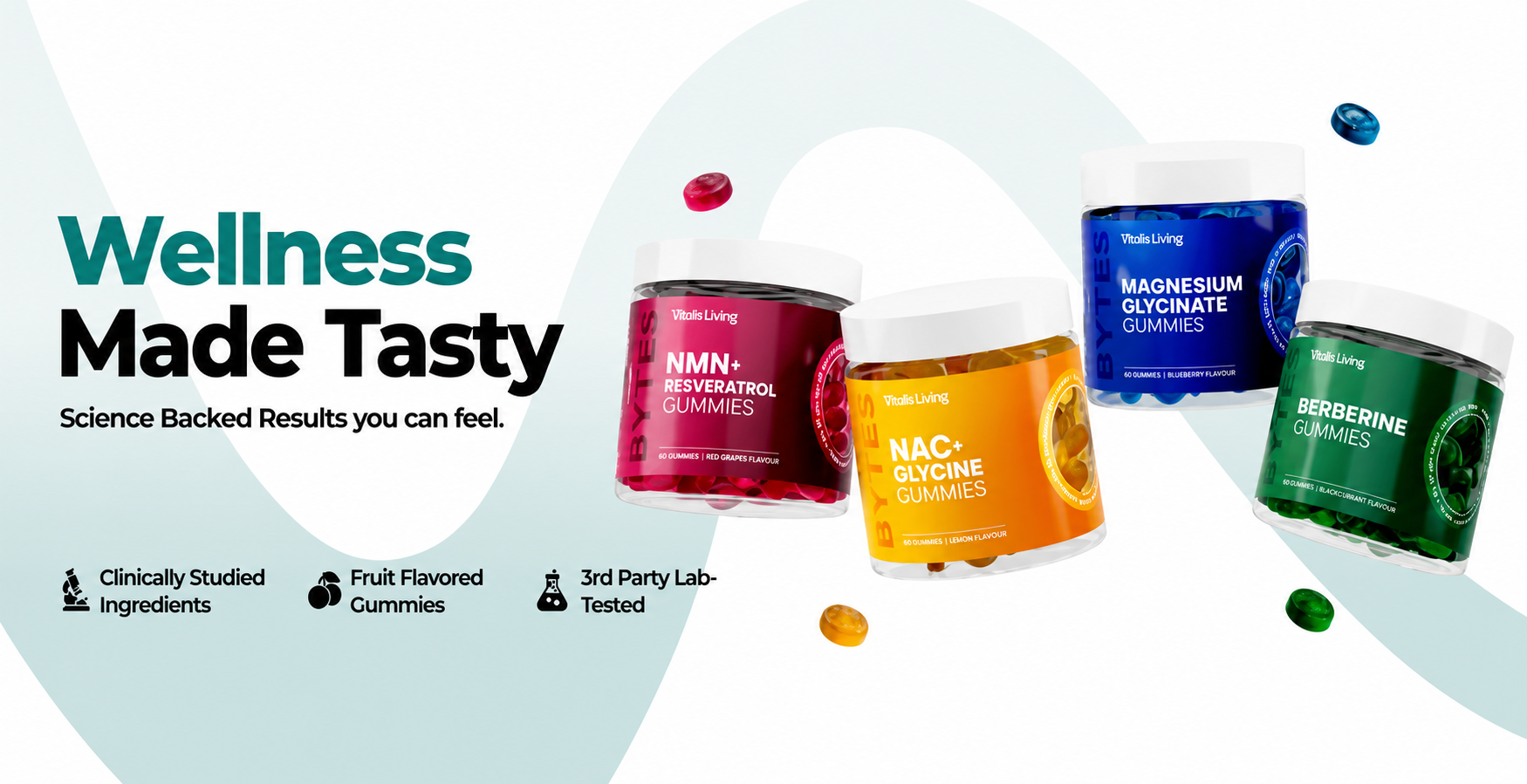
Near the end of the buying process, consumers may encounter locally available products from companies such as Vitalis Living. Regardless of brand, the decision should be based on transparent dosing, responsible claims, traceable manufacturing, and suitable professional advice.
Conclusion
Berberine begins as a naturally occurring alkaloid produced by several plants, including barberry, Chinese goldthread, goldenseal, Indian barberry, and the Amur cork tree. In many species, the roots, rhizomes, and bark contain more concentrated berberine than the fruit.
Commercial production usually involves plant authentication, extraction, filtration, separation, purification, hydrochloride salt formation, drying, testing, and formulation. The result is a standardized ingredient that differs significantly from ordinary barberry powder or fruit.
For consumers comparing berberine HCL Pakistan products, the most important questions are not simply whether the label says “natural.” Botanical traceability, ingredient identity, tested purity, serving strength, responsible manufacturing, and appropriate safety guidance provide a clearer picture of quality.
Frequently Asked Questions
1. Is barberry the same as berberine?
No. Barberry is a plant or fruit, while berberine is one of the natural alkaloids found in certain parts of Berberis plants. Barberry also contains many other compounds.
2. Which part of the barberry plant contains the most berberine?
Berberine concentration varies by species and growing conditions, but roots, root bark, stems, and bark commonly contain higher levels than the edible berries. Some research has found higher concentrations in roots than in stem bark.
3. What does HCL mean in berberine HCL?
HCL means hydrochloride. It identifies the salt form in which purified berberine is supplied. This form allows the ingredient to be crystallised, tested, measured, and formulated into consistent servings.
4. Are Berberine HCL Gummies made directly from barberry fruit?
Not usually. Gummies are generally made by incorporating a measured berberine HCL ingredient into a formulated gummy base. The berberine may originally have been extracted from a root, rhizome, stem, or bark rather than the fruit.
5. How can buyers verify the source of berberine HCL in Pakistan?
They can review the label, ask the supplier which plant species and plant part were used, request information about standardization or laboratory testing, and confirm that the product clearly states the amount of berberine per serving. A vague claim such as “contains barberry” does not confirm a standardized berberine dose.

 English
 Arabic
 French
 Spanish
 Portuguese
 Deutsch
 Dutch
Dutch
 Italiano
 Russian
 Romaian
 Portuguese (Brazil)
 Greek
Greek
