


A Homeowner's Guide to Choosing Flat Weave Rugs That Last for Years
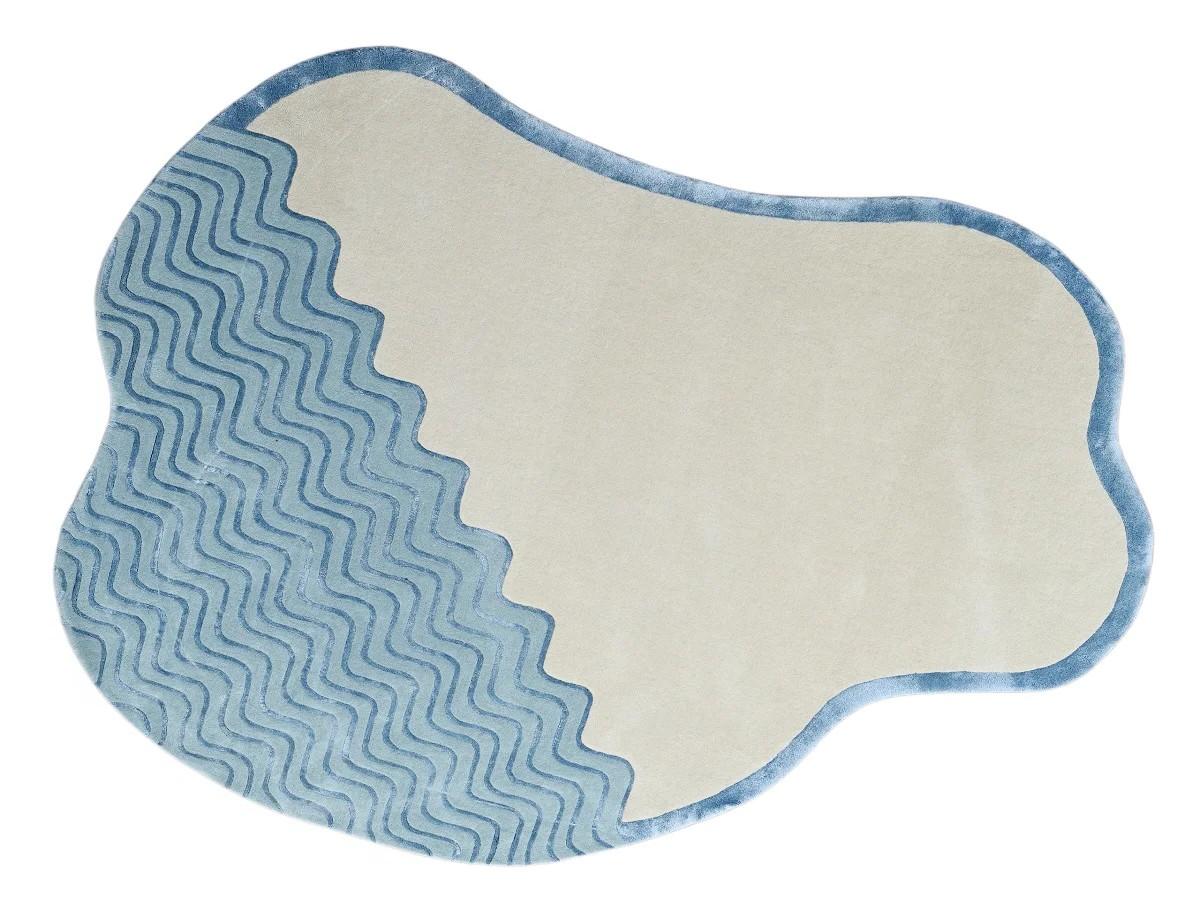
Flat weave rugs are thin, tightly constructed floor coverings made without a pile. They last longer than tufted rugs, require less maintenance, and work well in high-traffic areas. Choosing the right material, weave density, and size upfront saves you money and effort in the long run.
Rugs take more abuse than almost any other piece in your home. Foot traffic, spills, furniture weight, sunlight—your rug handles it all. So when you buy rugs, you want something that holds up, not something you'll be replacing in two years.
Flat weave rugs have earned a strong reputation among homeowners for exactly this reason. They're built to last, easy to clean, and versatile enough to work in almost any room. But not all flat weave rugs are equal. The material, construction method, and sourcing all play a role in how long your rug will actually last.
This guide covers everything you need to know—from understanding what flat weave construction means, to assessing quality before you purchase, to keeping your rug in great shape for years.
What Are Flat Weave Rugs and Why Are They Different?
How flat weave construction works
Flat weave rugs are made by interlocking warp and weft threads on a loom. Unlike pile rugs—which have loops or cut fibers that create a raised surface—flat weave rugs have no pile at all. The result is a smooth, firm, and relatively thin rug.
This construction method has been used for centuries across South Asia, the Middle East, and North Africa. It's practical, time-tested, and produces a durable product when done well.
Key benefits of flat weave rugs
-
Durability: Without a pile to wear down, flat weave rugs hold their structure longer under heavy foot traffic.
-
Easy maintenance: Dirt doesn't embed as deeply as it does in pile rugs, making vacuuming and spot cleaning more effective.
-
Lightweight: Flat weave rugs are easier to move, reposition, and store than bulkier pile rugs.
-
Versatile: They work well in living rooms, hallways, kitchens, and outdoor spaces.
Why handmade rugs in India offer better quality
India—specifically the Bhadohi region in Uttar Pradesh—is one of the world's leading centers for handwoven rug production. Bhadohi is known as South Asia's largest hub for hand-knotted carpet weaving, and the craftsmanship there reflects generations of accumulated skill.
Handmade rugs in India are woven by skilled artisans who control the weave density, pattern precision, and material quality by hand. That level of attention is difficult to replicate with machine production. Brands like The Ambiente, based in Bhadohi with a flagship store in New Delhi, work directly with over 4,000 weavers—many of them women—to produce rugs that meet both quality and ethical standards.
Factors to Consider When You Buy Rugs
Material quality and fiber types
The fiber you choose determines how your rug performs over time.
-
Wool: Resilient, naturally stain-resistant, and soft underfoot. Wool flat weave rugs handle daily wear well and maintain their color over time.
-
Cotton: Affordable and easy to wash. Best for low-traffic areas or casual spaces.
-
Silk: Exceptionally fine with a natural sheen. Silk rugs are better suited for low-traffic areas where appearance matters more than heavy use.
-
Jute and natural fibers: Eco-friendly and textural. These work best in dry rooms, as moisture can cause them to break down.
For high-traffic areas, wool or a wool-cotton blend offers the best balance of durability and comfort.
Size and placement
Getting the size right matters. A rug that's too small makes a room feel disconnected; one that's too large can crowd the space.
-
In living rooms, all four legs of your main furniture pieces should ideally sit on the rug, or at least the front legs.
-
In dining rooms, the rug should extend at least 24 inches beyond the edge of the table on all sides.
-
In hallways, choose a runner that leaves a few inches of floor visible on either side.
Measure your space before you shop—this single step prevents the most common rug-buying mistake.
Color and pattern
Flat weave rugs come in a wide range of colors and geometric patterns. Light-colored rugs make smaller rooms feel more open, while darker, patterned rugs work well in high-traffic areas since they hide dirt and wear more effectively.
If your space already has bold furniture or walls, a neutral flat weave rug will anchor the room without competing. Conversely, a patterned rug can add structure to a minimal space.
Budget
Flat weave rugs span a wide price range. Machine-made options cost less upfront, but wear down faster. A quality handmade rug costs more initially and lasts significantly longer—making it the better financial decision over a 5–10 year horizon.
How to Assess Quality Before You Buy Rugs
Check weave density
Hold the rug up to the light. A tightly woven flat weave rug will show minimal light through the weave. The denser the weave, the more durable the rug.
Feel the texture and weight
A quality flat weave rug feels firm and substantial in your hands. Thin, lightweight rugs—particularly those made from synthetic fibers—tend to shift underfoot and wear out faster.
Look for handmade construction details
Handmade rugs often show slight irregularities in the weave—minor variations that are a natural outcome of hand production. These aren't flaws; they're signs of authenticity. Machine-made rugs are perfectly uniform, which can be a giveaway.
Examine the back of the rug. In a handmade flat weave, the pattern on the reverse will closely mirror the front. This reflects the quality of the construction throughout.
Verify sourcing and artisan credentials
Before you commit to a purchase, ask the retailer where the rug was made and who made it. Reputable brands will be transparent about their sourcing. The Ambiente, for example, builds its entire brand around direct relationships with weavers in Bhadohi, and co-founders Avani Khandelwal and Ayush Baranwal have made artisan transparency a core part of how the brand operates.
Care and Maintenance Tips for Long-Lasting Rugs
Regular vacuuming
Vacuum your flat weave rug once or twice a week in high-traffic areas. Use a low-suction setting without a beater bar, which can damage the weave over time. Vacuum in the direction of the weave, not against it.
Spot cleaning
Act quickly on spills. Blot—never rub—the affected area with a clean cloth. Use a mild soap solution for most stains, and avoid soaking the rug, as excess moisture can cause fiber damage or mildew.
Prevent fading and wear patterns
Rotate your rug every 6–12 months to distribute foot traffic evenly. If your rug is in a sunny room, use window coverings during peak sunlight hours to slow color fading.
Professional cleaning
Most flat weave rugs benefit from a professional cleaning every 12–18 months, depending on use. A professional cleaner can remove deep-set dirt without damaging the weave or affecting the colors.
Storage tips
If you're storing a flat weave rug seasonally, clean it thoroughly before storage. Roll it—don't fold it—to avoid permanent crease marks. Store in a cool, dry space away from direct light and humidity.
Where to Buy Quality Flat Weave Rugs
Choose retailers with direct artisan connections
The best place to buy flat weave rugs is from retailers who work directly with weavers, rather than resellers who add layers of markup without adding quality. Direct relationships mean better quality control, fairer pricing, and more accountability in the production process.
What to look for in reputable rug retailers
-
Clear information about where and how the rug was made
-
Transparent pricing without vague "luxury" markup
-
A range of sizes and customization options
-
Honest policies on returns and damage
The Ambiente, based in Bhadohi with a showroom at Pillar No. 11B, Mehrauli-Gurgaon Road in New Delhi, ticks these boxes. Backed by 30 years of manufacturing experience through parent company Bhadohi Carpets, the brand has served over 5,000 clients across India and internationally. Their handmade rugs in India reflect a production model that values both quality and the artisans behind the work.
Why supporting artisans matters
When you buy handmade rugs in India from ethical producers, you support rural weavers who depend on this craft for their livelihoods. The Ambiente's workforce includes over 4,000 women weavers from the Bhadohi region—a direct example of how a rug purchase can do more than furnish your floor.
The Right Flat Weave Rug Pays for Itself Over Time
A flat weave rug bought with care will outlast three or four lower-quality alternatives. The upfront investment in better material, authentic construction, and ethical sourcing translates to years of performance, less maintenance headache, and a floor piece that actually improves your space.
Focus on fiber quality, weave density, and verified craftsmanship when you buy rugs. Maintain them consistently. And when you're ready to purchase, look for retailers—like The Ambiente—who stand behind the work and the people who make it.
Frequently Asked Questions
What makes flat weave rugs more durable than pile rugs?
Flat weave rugs have no raised pile to wear down. The interlocked warp and weft structure stays intact under heavy foot traffic, which is why flat weave construction is often preferred for hallways, dining rooms, and other high-use areas.
Are handmade rugs in India worth the higher price?
Yes, for most homeowners. Handmade rugs in India—particularly from weaving hubs like Bhadohi—are built with tighter weave density, higher-quality fibers, and more precise construction than most machine-made alternatives. They last longer, which makes the cost-per-year lower over time.
What fiber is best for a flat weave rug in a high-traffic area?
Wool is the most reliable choice for high-traffic areas. It's naturally resilient, resists stains, and holds its structure under repeated use. A wool-cotton blend is also a good option if you want a slightly softer feel at a lower price point.
How often should I clean a flat weave rug?
Vacuum high-traffic flat weave rugs one to two times per week. Spot clean spills immediately. Arrange a professional cleaning every 12–18 months to remove embedded dirt and maintain fiber quality.
How do I know if a flat weave rug is genuinely handmade?
Look at the back of the rug. A handmade flat weave will have a pattern on the reverse that closely mirrors the front. Slight variations in the weave are normal and indicate hand production. Machine-made rugs are perfectly uniform on both sides.
What size flat weave rug should I buy for my living room?
For most living rooms, a rug that fits all four legs of your main seating group—or at least the front legs—works best. Common sizes are 8x10 feet or 9x12 feet, though the right size depends on your specific room dimensions. Always measure before you buy.

 English
 Arabic
 French
 Spanish
 Portuguese
 Deutsch
 Turkish
 Dutch
Dutch
 Italiano
 Russian
 Romaian
 Portuguese (Brazil)
