


Fridge Leaking Water on the Inside Shelves? Learn the Causes and the Best Ways to Fix It
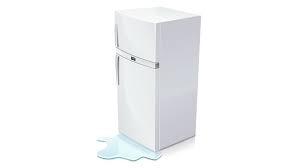
Opening your refrigerator to find water collecting on the inside shelves can be frustrating. Not only does it create a mess, but it can also spoil food, produce unpleasant odors, and indicate that something isn't working correctly. The good news is that water leaking inside a fridge is usually caused by a few common issues, many of which you can fix yourself without calling a repair technician.
In this guide, we'll explain why your fridge is leaking water on the inside shelves, how to identify the source of the problem, and the best ways to fix it. We'll also share simple maintenance tips to help prevent the issue from happening again.
Why Is Water Collecting on the Inside Shelves?
Water inside your refrigerator usually comes from condensation or melting frost. Under normal conditions, this moisture drains through a small drain hole and into a drain pan beneath the appliance, where it eventually evaporates. If something blocks or disrupts this process, water can collect inside the refrigerator instead.
Several problems can cause this issue, ranging from a clogged drain to damaged door seals.
1. Clogged Defrost Drain
A clogged defrost drain is one of the most common reasons water appears on refrigerator shelves.
During the automatic defrost cycle, melted ice flows into a drain hole located at the back of the refrigerator. Food crumbs, dirt, ice, or debris can block this drain, causing water to overflow into the refrigerator instead of draining properly.
Signs of a Clogged Drain
-
Water pooling beneath the vegetable drawers
-
Water appearing on lower shelves
-
Ice buildup around the drain opening
-
Recurring puddles inside the fridge
How to Fix It
-
Unplug the refrigerator.
-
Locate the drain hole inside the fridge.
-
Remove any visible debris.
-
Flush the drain using warm water and a turkey baster or squeeze bottle.
-
If necessary, use a flexible plastic tube or pipe cleaner to remove stubborn blockages.
-
Plug the refrigerator back in and monitor it for the next 24 hours.
2. Refrigerator Door Left Open
Sometimes the simplest explanation is the correct one.
If the fridge leaking water inside door stays open for even a short period, warm air enters the appliance. This warm air condenses into water droplets that collect on shelves, walls, and food containers.
Common Causes
-
Door not fully closed
-
Items blocking the door
-
Children leaving the fridge open
-
Frequent opening during cooking
Solution
Always ensure the refrigerator door closes completely. Rearrange food items if necessary so nothing prevents the door from sealing properly.
3. Damaged or Dirty Door Gasket
The rubber gasket around the refrigerator door creates an airtight seal. If it becomes dirty, cracked, torn, or loose, warm air can continuously enter the refrigerator.
This extra moisture eventually turns into water that collects on shelves.
How to Inspect the Gasket
-
Look for cracks or tears.
-
Check for mold or food residue.
-
Close the door on a piece of paper and gently pull it out.
-
If the paper slides out easily, the seal may be weak.
How to Fix It
Clean the gasket with warm water and mild soap. If it's damaged, replace it according to your refrigerator model.
4. Blocked Air Vents
Modern refrigerators rely on air circulation to maintain even temperatures.
If food containers block the interior vents, cold air cannot circulate properly. This imbalance can cause condensation to form on shelves.
Prevention Tips
-
Do not overfill the refrigerator.
-
Leave space around air vents.
-
Avoid placing large containers directly in front of cooling outlets.
Proper airflow improves cooling efficiency and reduces moisture buildup.
5. Incorrect Temperature Settings
A refrigerator that is too warm allows more condensation to form.
The recommended refrigerator temperature is between 37°F and 40°F (3°C to 4°C). Temperatures above this range can lead to excess moisture, while temperatures that are too cold may create unnecessary frost.
Use a refrigerator thermometer to verify the internal temperature if you suspect inaccurate cooling.
6. Hot Food Placed Directly Inside
Putting steaming food directly into the refrigerator releases a large amount of moisture.
As the steam cools, it condenses into water droplets on shelves and walls.
Best Practice
Allow hot meals to cool to room temperature before refrigerating them. Cover foods with lids or plastic wrap to reduce moisture release.
7. High Humidity Levels
Humid weather naturally introduces more moisture into the refrigerator each time the door opens.
During summer or in humid climates, condensation may increase noticeably.
Reduce Moisture By
-
Opening the fridge less often.
-
Closing the door quickly.
-
Keeping foods covered.
-
Avoiding unnecessary door openings.
8. Ice Maker or Water Dispenser Leaks
If your refrigerator has an ice maker or water dispenser, leaking water lines may create moisture inside the refrigerator compartment.
Inspect the tubing for:
-
Loose connections
-
Cracks
-
Pinholes
-
Damaged fittings
Replace worn tubing if leaks are found.
Step-by-Step Troubleshooting Checklist
If your refrigerator is leaking water on the inside shelves, follow this checklist:
-
Check whether the door closes properly.
-
Clean the door gasket.
-
Inspect the defrost drain for blockages.
-
Verify refrigerator temperature settings.
-
Remove items blocking air vents.
-
Avoid storing hot food immediately.
-
Check the ice maker and water supply line.
-
Observe whether the leak appears after each defrost cycle.
Following these steps can solve most interior water leak problems without professional assistance.
When Should You Call a Professional?
While many refrigerator leaks are easy to fix, some situations require expert repair.
Consider contacting a technician if:
-
Water keeps returning after cleaning the drain.
-
The refrigerator is not cooling properly.
-
Ice builds up repeatedly behind the rear panel.
-
Water leaks from multiple locations.
-
The evaporator fan or defrost heater appears faulty.
-
Electronic control components may have failed.
Attempting complex repairs without proper knowledge could damage the appliance further.
Preventing Future Water Leaks
Regular maintenance can significantly reduce the chances of interior water leaks.
Monthly Maintenance Tips
-
Clean the defrost drain.
-
Wipe the door gasket.
-
Remove expired food.
-
Check air vents for obstructions.
-
Keep shelves clean.
-
Verify the refrigerator temperature.
-
Inspect water supply lines.
These simple habits take only a few minutes but can prevent costly repairs later.
Frequently Asked Questions
Why is water only appearing on the top shelf?
This often happens when warm air enters through a faulty door seal or when hot food creates excess condensation.
Can a clogged drain damage my refrigerator?
Yes. Continuous water accumulation can cause mold growth, unpleasant odors, rust, and damage to internal components if ignored.
Is condensation inside a refrigerator normal?
A small amount of condensation is normal, especially in humid weather. However, standing water or repeated puddles indicate an underlying problem.
Should I unplug the refrigerator before cleaning the drain?
Yes. Unplugging the refrigerator improves safety while cleaning or inspecting internal components.
Final Thoughts
Water leaking onto the inside shelves of your refrigerator is usually a sign that moisture isn't draining or circulating as it should. Fortunately, the most common causes—such as a clogged defrost drain, damaged door gasket, blocked air vents, or incorrect temperature settings—are relatively easy to identify and often simple to fix.
By inspecting your refrigerator carefully, cleaning key components, and following routine maintenance practices, you can stop water from collecting inside and keep your appliance running efficiently. If the problem continues despite your efforts, it's best to consult a qualified appliance repair technician to prevent more serious damage and extend the life of your refrigerator.

 English
 Arabic
 French
 Spanish
 Portuguese
 Turkish
 Dutch
Dutch
 Italiano
 Russian
 Romaian
 Portuguese (Brazil)
 Greek
Greek
